Senate vote keeps Iran war debate in market focus
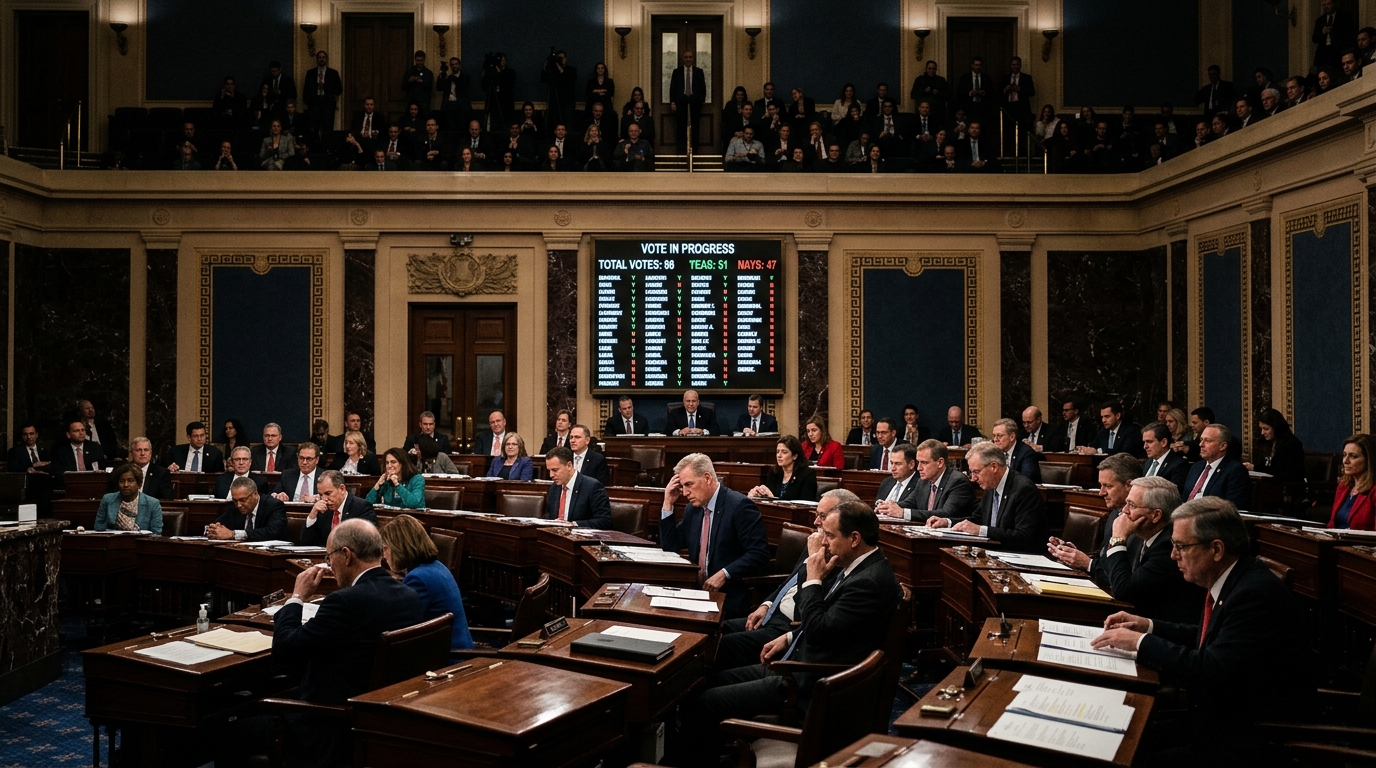
The U.S. Senate’s narrow vote against a resolution calling for an end to the Iran war adds a fresh political layer to a market theme that readers have followed closely: how Middle East developments can feed through to oil, risk sentiment and cross-asset positioning.
According to CNBC, the Senate narrowly voted down the resolution. While the headline does not provide market moves or legislative detail beyond the outcome, the result matters because it suggests no immediate congressional push strong enough to alter the current policy path. For markets, that can leave geopolitical uncertainty in place rather than remove it.
Why markets care about a Senate vote
Energy traders do not need a physical supply disruption to start repricing risk. Political signals alone can matter when the issue involves Iran and the broader Middle East, a region central to global crude flows and shipping routes. A vote that keeps the war debate active in Washington may not change oil balances overnight, but it can reinforce the idea that geopolitical risk remains embedded in the outlook.
That is especially relevant because reader interest on MarketPro has been strongest where geopolitics meets commodities and currencies. A congressional vote is not the same as a battlefield development, yet it can still shape expectations for sanctions, military posture and diplomatic room for de-escalation.
Oil, currencies and hedging behavior
When geopolitical tension remains unresolved, investors often watch three channels first: oil, safe-haven currencies and broader volatility hedges. An unchanged or uncertain U.S. policy backdrop can keep attention on whether crude prices begin to reflect a larger security premium and whether import-dependent economies face renewed pressure from energy costs.
For foreign-exchange markets, prolonged geopolitical stress can also keep the U.S. dollar and other defensive assets in focus. That does not guarantee a one-way move, but it does keep macro traders alert to the interaction between energy prices, inflation sensitivity and central-bank reaction functions.
The Senate result therefore matters less as a standalone political event than as part of a market structure story: participants are still being asked to price risk without a clear end point.
What is confirmed — and what is not
The confirmed fact, according to CNBC, is that the Senate narrowly rejected the resolution. Beyond that, investors should be careful not to overstate the immediate implications. The headline alone does not establish a direct change in military operations, sanctions policy or global oil supply.
That distinction is important. Markets often move on probability and perception, but responsible analysis should separate verified developments from assumptions. At this stage, the vote appears most relevant as a signal that the U.S. political debate remains active and closely contested.
Why this still matters for global markets
Recent reader behavior on MarketPro shows that stories connecting oil risk, geopolitics and macro positioning attract sustained attention. This Senate vote fits that framework because it keeps alive a source of uncertainty that can reach beyond Washington.
- For commodities: it may help preserve a geopolitical premium in oil expectations.
- For equities: sectors sensitive to fuel costs and risk sentiment could remain exposed.
- For bonds and inflation: any oil reaction would matter for inflation expectations.
- For FX: traders may continue watching traditional havens and energy-linked currencies.
The main takeaway is not that a policy shock has already arrived. It is that a potentially market-moving geopolitical question has not been resolved politically, and that alone can matter for pricing.
Neutral outlook: The Senate vote does not by itself confirm a change in energy supply or U.S. strategy, but it keeps Middle East risk on the market agenda. Investors will likely stay focused on any follow-through from policymakers and on whether oil markets begin to price a larger geopolitical premium.
MarketPro reports are AI-assisted analyses of publicly reported market news. Not investment advice.