Iran signals Hormuz conditions as oil market watches risk
Oil traders are again being forced to weigh geopolitical risk after Iran said President Donald Trump’s threats reflect “strategic desperation” and floated conditions for the reopening of the Strait of Hormuz, according to CNBC.
The remarks keep one of the world’s most sensitive energy chokepoints squarely in market focus. Even without a confirmed operational change in shipping conditions, any fresh signaling around Hormuz matters because the waterway remains critical to global crude and fuel flows.
Why Hormuz still matters to oil pricing
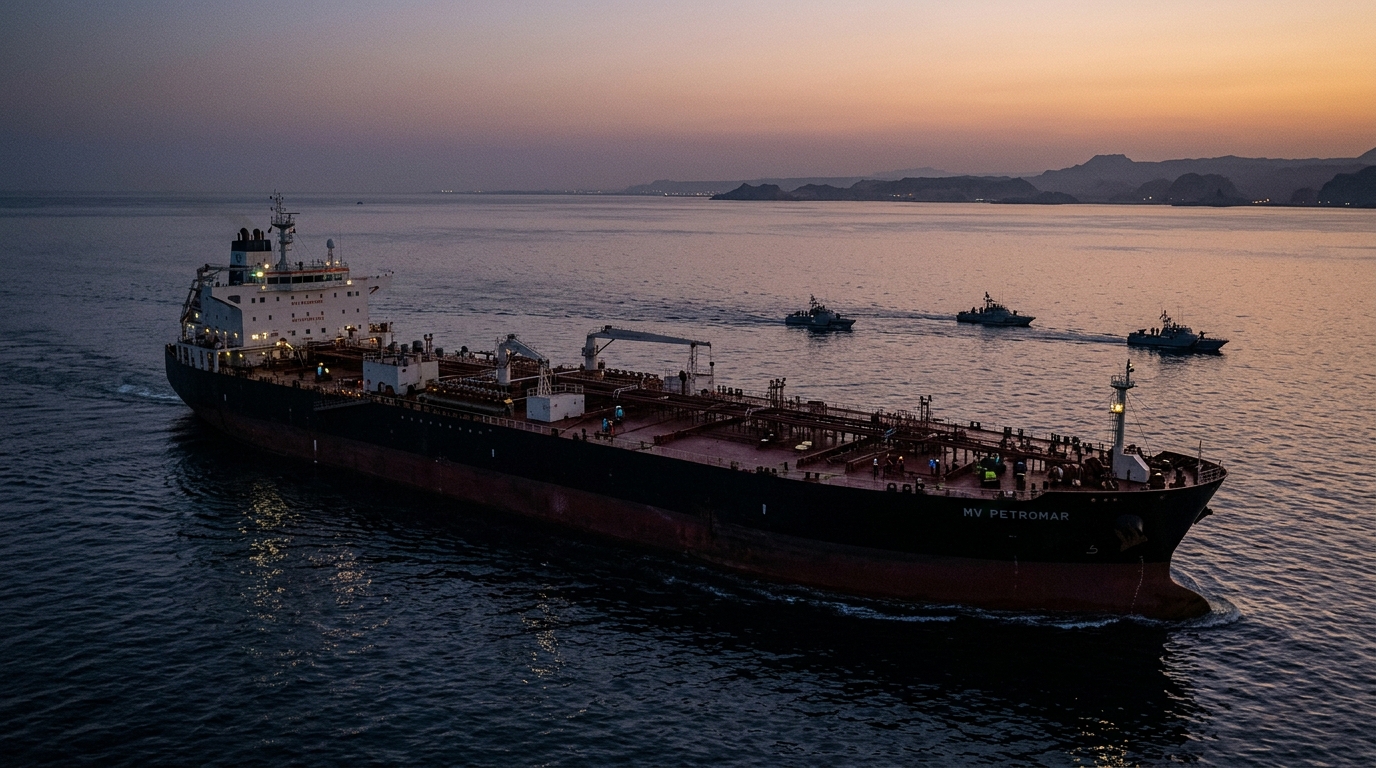
The Strait of Hormuz is a narrow maritime corridor, but its importance to the energy system is outsized. A large share of seaborne crude exports from the Gulf transits the route, making it a recurring source of risk premium whenever tensions rise between Iran and the United States or regional actors.
According to CNBC, Iran not only rejected the pressure implied by Trump’s threats but also suggested there are conditions attached to any reopening. That keeps uncertainty elevated for shipping companies, refiners and commodity desks trying to assess whether current tensions are primarily rhetorical or could feed into logistical disruption.
For oil markets, that distinction is crucial. Prices often react not only to actual supply losses but also to the probability of delay, rerouting, higher insurance costs or naval incidents that affect cargo movement.
Signal versus disruption
At this stage, the available headline support points to political signaling rather than verified supply interruption. That is an important line for markets. Energy traders typically separate immediate physical outages from risk events that change positioning, freight assumptions and hedging behavior.
The CNBC report suggests Iran is linking maritime access to broader political conditions. If that message hardens into a negotiating stance, the market may need to account for a longer period of uncertainty even in the absence of an outright closure.
Such uncertainty can influence more than crude benchmarks. It can also affect tanker rates, refinery margins and regional product balances, especially for importers with heavy exposure to Gulf-origin barrels.
What global investors should watch next
The next phase will depend less on rhetoric alone and more on whether there is corroborating evidence from shipping lanes, insurers, naval authorities or major importing states. Without that, markets may remain reactive but cautious.
Still, the tone of Iran’s comments is significant because it suggests Tehran wants any de-escalation to come with defined terms rather than as a unilateral concession. That can complicate diplomacy and extend the period during which traders assign some premium to Middle East supply risk.
Key market channels
- Shipping security: Any reported incident involving tankers or escorts would likely sharpen price sensitivity.
- Freight and insurance: Rising transport costs can tighten effective supply even before barrels are lost.
- Importer response: Asian buyers in particular may reassess sourcing flexibility if transit risk rises.
- Diplomatic signals: Further U.S. or regional statements could determine whether the episode escalates or stabilizes.
The broader lesson is that oil markets remain highly responsive to chokepoint risk, especially when spare logistical flexibility is limited. Even when fundamentals such as demand or inventory trends dominate the medium-term outlook, Hormuz headlines can quickly reset short-term pricing psychology.
According to CNBC, Iran’s latest comments combine defiance with conditionality. That combination is likely to keep traders focused on whether the story evolves into a negotiation framework, a prolonged standoff or a more direct threat to maritime flows.
Neutral outlook: Unless there is independent evidence of disruption, markets may treat the latest exchange as a geopolitical warning rather than a confirmed supply shock, but Hormuz risk is unlikely to fade quickly.
MarketPro reports are AI-assisted analyses of publicly reported market news. Not investment advice.