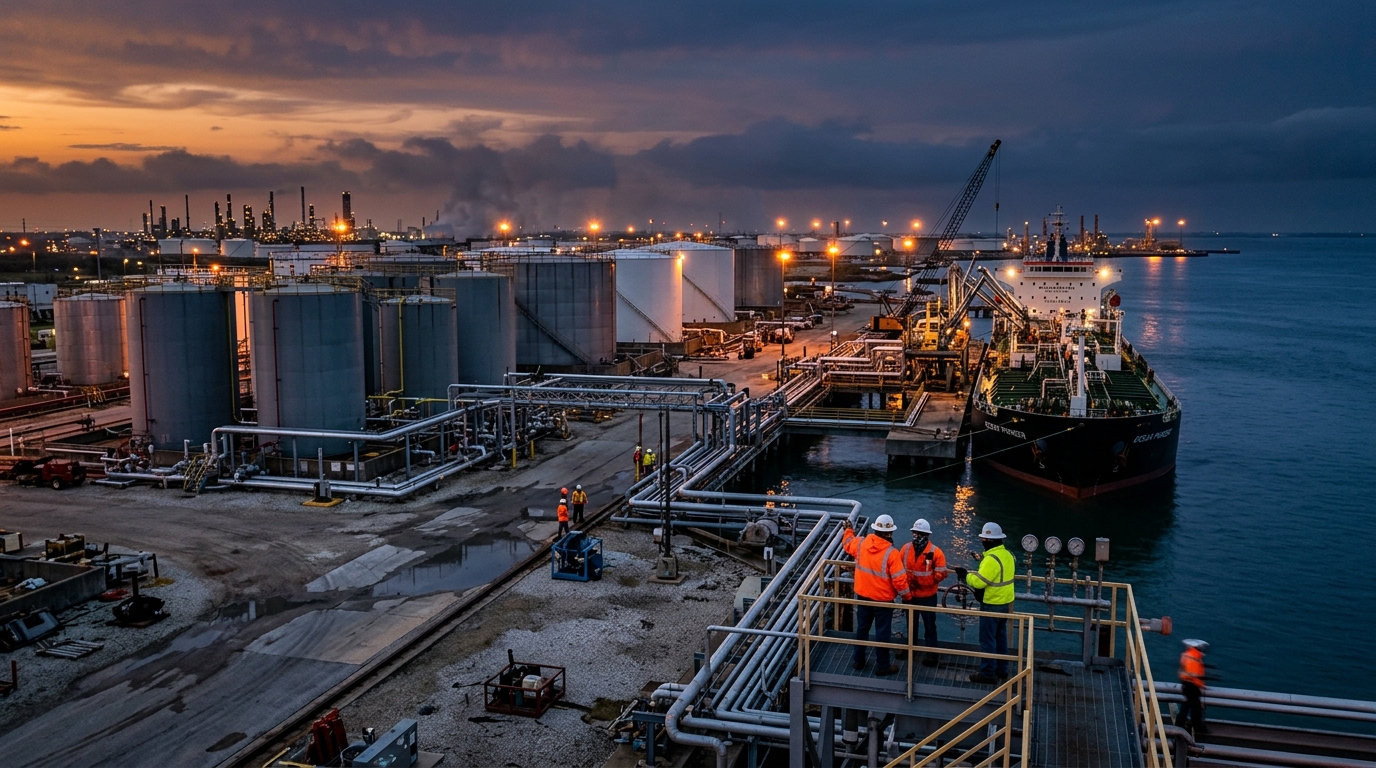
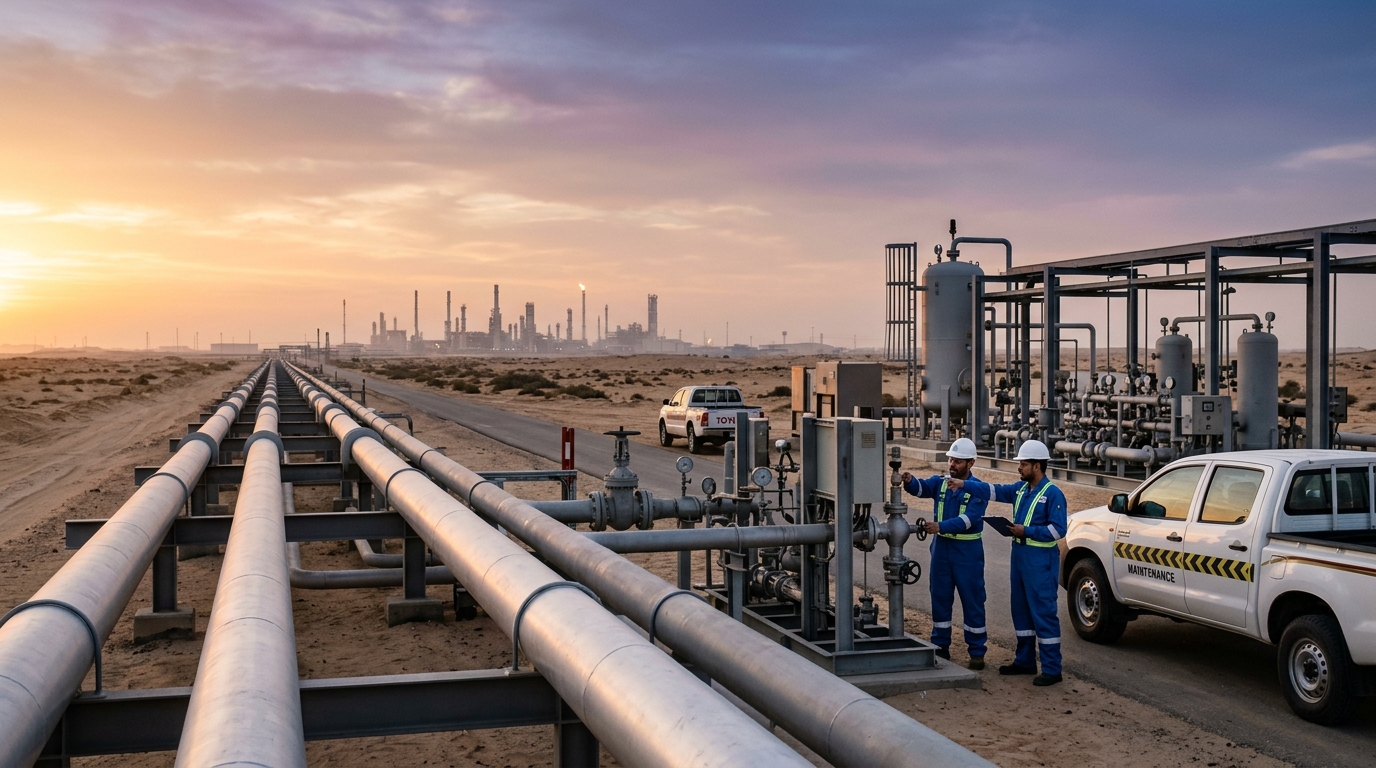
Oil slips after U.S.-Iran UN talks test risk premium
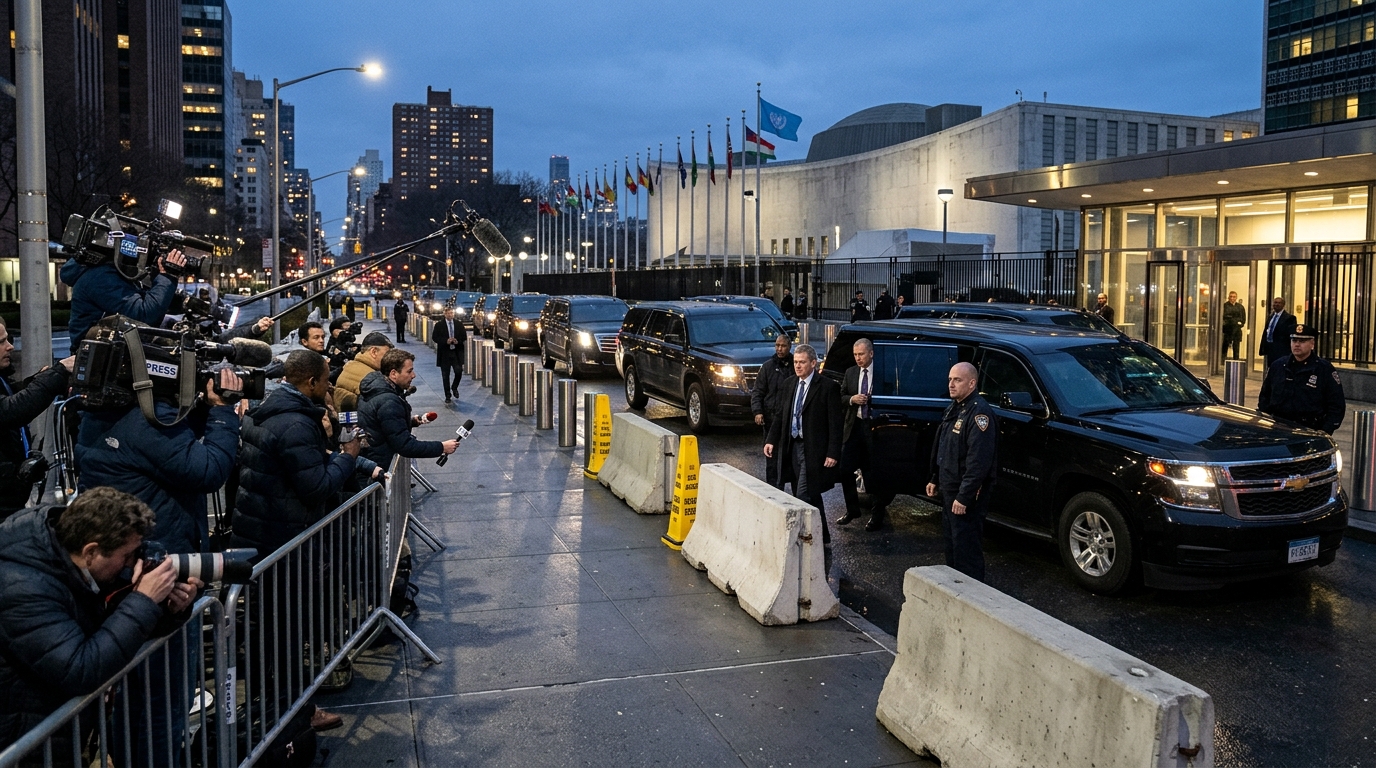
Oil prices moved lower after U.S. and Iranian officials spoke for hours on the sidelines of the United Nations meeting in New York, a development that prompted traders to trim some of the geopolitical premium built into crude markets.
CNBC reported that oil fell after the lengthy U.S.-Iran discussions at the UN. That matters because direct or extended diplomacy between Washington and Tehran can influence how markets assess the risks around Middle East supply, sanctions enforcement and shipping flows.
The move also came against a broader backdrop of diesel and refined-product concerns. Yahoo Finance separately reported that a global diesel shortage linked to the wars involving Iran and Ukraine may last into 2027, underscoring that even if crude prices soften on diplomacy, product markets can remain tight.
Why the talks mattered to oil traders
When oil sells off on news of high-level talks, the market is usually reacting less to immediate supply changes and more to the possibility that disruption risks may not worsen as quickly as feared. In this case, the existence of hours-long talks suggested at least some diplomatic channel remains open.
That does not mean sanctions policy is changing or that Iranian barrels are suddenly returning more freely to global markets. The headlines support only a narrower conclusion: traders interpreted the meeting as enough of a de-escalation signal to push prices down on the day.
For energy markets, that signal is important because recent pricing has been highly sensitive to any event that affects perceived risk in the Middle East. A lower risk premium can weigh on crude even while physical market fundamentals stay relatively firm.
Diesel stays central to the supply story
The crude reaction also needs to be viewed alongside the diesel market. A barrel of crude is only part of the energy chain; refiners and end users care just as much about the availability of distillates such as diesel.
Yahoo Finance said the global diesel shortage tied to the Iran and Ukraine wars could persist into 2027. That report points to a key divide inside energy markets:
- Crude prices can fall quickly if geopolitical fears ease.
- Diesel markets can remain constrained if refinery output, sanctions, logistics or regional trade patterns stay disrupted.
That distinction is especially relevant because diesel is essential to freight, agriculture, mining and industrial activity. Even modest easing in headline oil prices does not automatically solve downstream fuel tightness.
What this means for the broader market
For investors and policymakers, the latest price move is a reminder that oil is being driven by two overlapping forces: diplomacy and supply-chain stress. The U.S.-Iran talks may have reduced near-term fears of escalation, but they do not erase structural concerns around fuel availability.
The market also appears to be differentiating between immediate headline risk and longer-running disruptions. According to CNBC, oil fell on the talks themselves. According to Yahoo Finance, diesel shortages remain a longer-duration issue. Together, those reports suggest the energy complex is still balancing short-term geopolitical relief against stubborn product tightness.
That balance matters well beyond commodity trading desks. Lower crude prices can offer some relief to transport and manufacturing costs, while tight diesel conditions can keep pressure on freight networks and industrial users.
Why this story stands out now
This is one of the more globally relevant market developments on today’s wires because it sits at the intersection of diplomacy, sanctions, shipping and inflation-sensitive fuel supply. It also has implications across asset classes, from energy equities to inflation expectations and currency markets linked to commodity flows.
Importantly, the reported move was tied to a concrete catalyst rather than generic market noise. CNBC identified the U.S.-Iran UN talks as the trigger for oil’s decline, while Yahoo Finance reinforced the longer-term supply backdrop with its reporting on diesel scarcity.
Neutral outlook: Near-term oil prices may remain sensitive to diplomatic headlines, but diesel and refined-product tightness still looks like a separate constraint that markets will continue to watch closely.
MarketPro reports are AI-assisted analyses of publicly reported market news. Not investment advice.