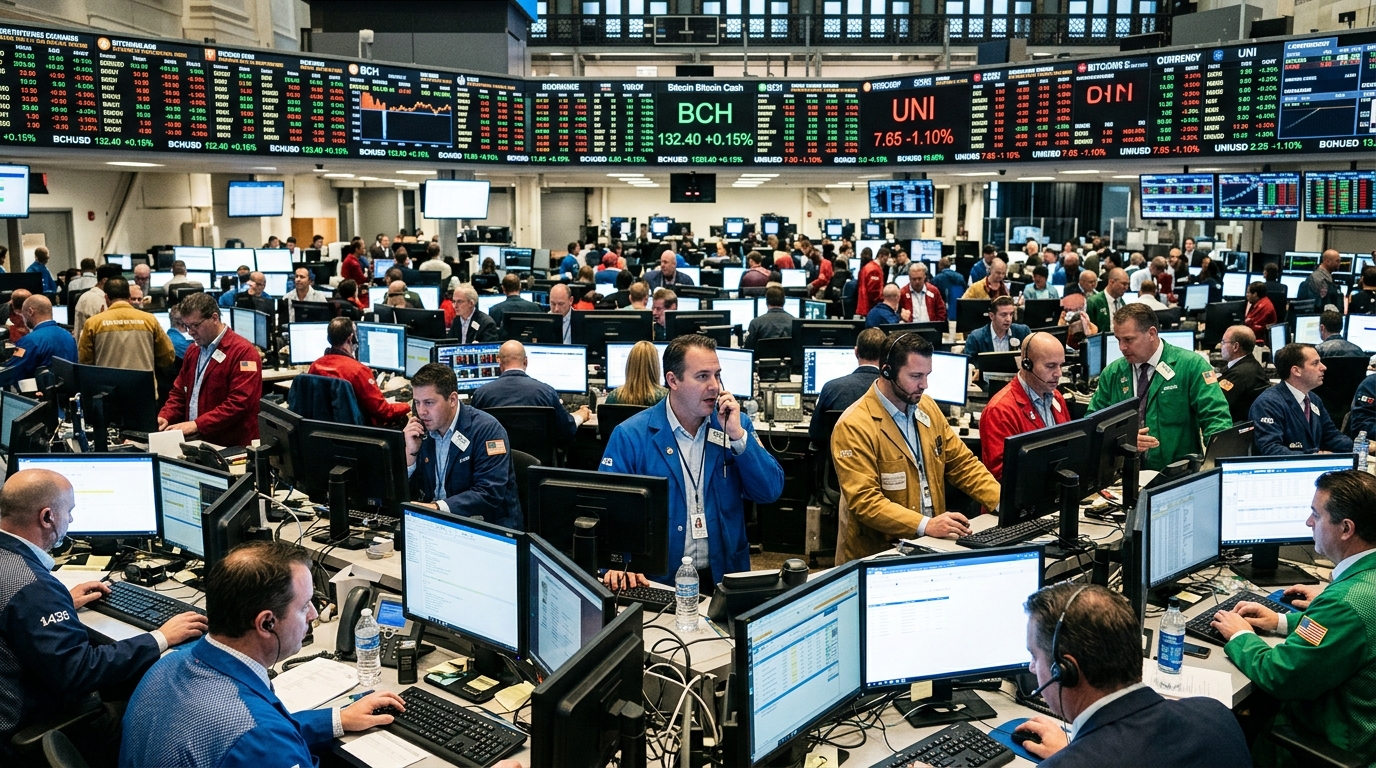
U.S. crypto agencies race ahead after Senate stall
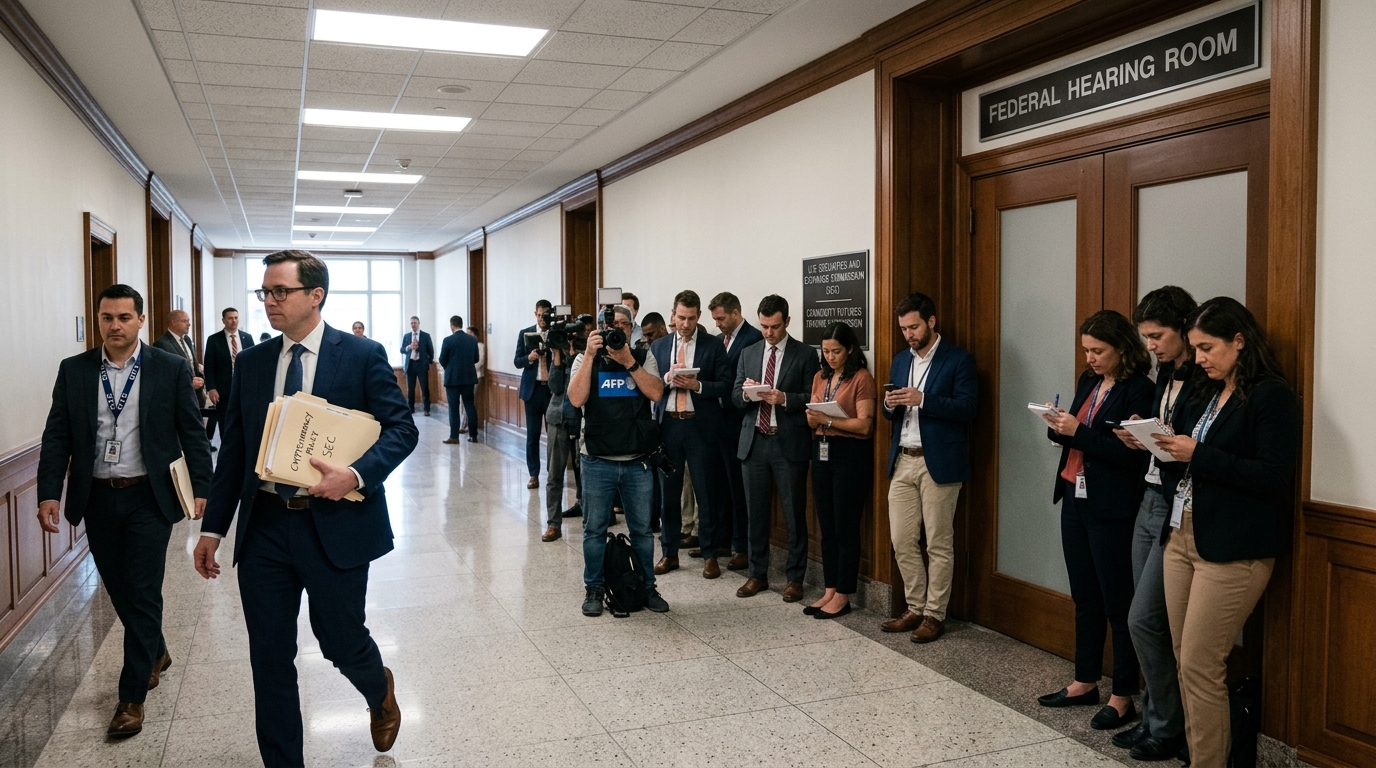
U.S. crypto policy is moving back toward the regulators after congressional efforts to set a clearer market-structure framework lost momentum in the Senate. CNBC reported that U.S. regulators are rushing to write a crypto rulebook after the Clarity Act stalled, while Cointelegraph separately reported that the failed CLARITY vote could trigger more crypto-focused political spending in key races.
Taken together, those developments suggest that the next phase of U.S. crypto oversight may be shaped less by a near-term legislative settlement and more by agency rulemaking, enforcement boundaries and election-year pressure.
What changed after the Senate setback
According to CNBC, the stalled Clarity Act has prompted regulators to accelerate work on a federal framework for digital assets. The headline implication for markets is straightforward: when Congress cannot quickly settle jurisdictional questions, agencies often move to define practical rules themselves.
That matters because one of crypto’s biggest unresolved issues has been which regulator oversees which activity. Market participants have been seeking more certainty on trading venues, token listings, custody, disclosure standards and how different digital assets are classified. A stalled bill does not resolve those questions, but it can increase the urgency for agencies to establish operating expectations.
Cointelegraph’s report adds a second market angle. If the failed vote leads to more campaign spending by crypto-aligned political groups, policy direction could become even more tied to the electoral calendar. That does not produce immediate legal clarity, but it can influence how quickly lawmakers return to the issue and how aggressively regulators act in the meantime.
Why markets care about agency rulemaking
For investors, exchanges and token issuers, agency-led rulemaking can be significant even without a new law. Rules and guidance can affect:
- Listing standards for tokens on U.S.-facing platforms
- Custody requirements for brokers and institutions
- Disclosure expectations around token issuance and reserve backing
- Capital and compliance costs for trading platforms
- Access for banks and traditional financial firms considering digital-asset products
The immediate consequence of a regulator-driven approach is often a patchwork process rather than a single reset. Agencies can move faster than Congress on technical rules, but market participants may still face overlapping mandates or unresolved legal disputes.
A broader global context is emerging
The U.S. debate is unfolding as other jurisdictions keep refining their own crypto frameworks. In today’s wire flow, Cointelegraph also reported that the European Central Bank and other EU central banks are seeking changes to MiCA’s minimum bank-deposit requirement for stablecoins. That is a separate jurisdiction and a separate policy issue, but it reinforces the same global theme: major regulators are no longer debating whether to regulate crypto infrastructure, but how.
That trend is especially important for stablecoins, exchange structures and tokenized financial products. As rulebooks become more detailed, competitive differences between regions may become clearer. Firms may eventually decide where to issue products, hold reserves or seek licenses based on operational burdens and legal certainty.
Political pressure may intensify
The policy vacuum created by a stalled bill can also reshape lobbying and campaign strategy. According to Cointelegraph, the failed CLARITY vote could encourage more crypto PAC spending in competitive races. That would keep digital-asset regulation prominent in Washington even if no immediate legislative breakthrough follows.
For markets, the significance is less about partisan framing and more about timing. Political spending can help determine how quickly a revised bill returns, whether committees revisit jurisdictional boundaries, and how comfortable regulators feel advancing their own interpretations while Congress remains divided.
What to watch next
The most important signals now are likely to come from agencies rather than Capitol Hill. Traders and companies will be watching for formal proposals, inter-agency coordination and any statements that clarify the treatment of exchanges, brokers, stablecoin activities and token classifications.
According to CNBC and Cointelegraph reports, the core takeaway is that the Senate setback did not slow the policy debate. Instead, it may have shifted the center of gravity toward regulators and election politics.
Neutral outlook: Near term, U.S. crypto markets may get more procedural clarity from regulators, but a full legislative settlement still appears unresolved.
MarketPro reports are AI-assisted analyses of publicly reported market news. Not investment advice.