Binance Iran probe puts crypto compliance back in focus
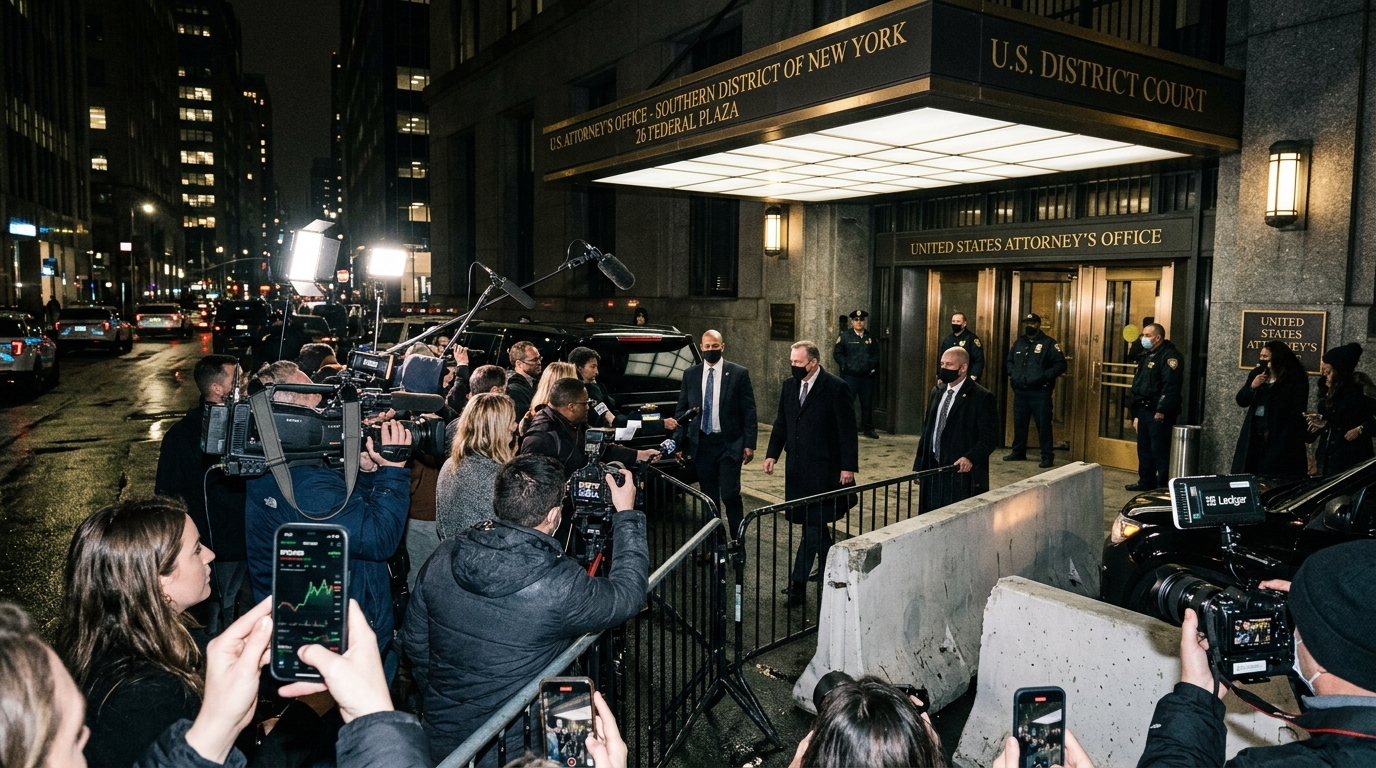
Crypto compliance and market structure moved back into focus after Cointelegraph, citing Bloomberg, reported that the Manhattan U.S. Attorney is leading a probe into Binance’s Iran compliance. The headline points to renewed regulatory attention on how major crypto platforms manage sanctions-related risks and cross-border controls.
While crypto headlines often center on token prices, this development is more significant from an institutional market perspective. It highlights the continued importance of compliance systems, jurisdictional oversight and enforcement risk for large exchanges operating in global digital-asset markets.
Why the reported probe matters
According to Cointelegraph, citing Bloomberg, the investigation is being led by the Manhattan U.S. Attorney’s office. Even from the headline alone, that suggests the issue is being treated as a serious enforcement matter rather than a routine market controversy.
For crypto firms, sanctions compliance has become a core operational issue. Large exchanges increasingly serve users across multiple regions, and that creates significant legal and monitoring demands. A reported U.S. probe into Iran-related compliance therefore has implications beyond one company.
It may also reinforce a broader market trend: as digital assets become more integrated with mainstream finance, authorities are likely to examine exchanges using standards closer to those applied in traditional financial services.
From price story to infrastructure story
This is important because it shifts attention away from short-term coin moves and toward the institutional plumbing of crypto markets. Compliance processes, customer screening, transaction monitoring and sanctions controls are central to whether large trading venues can retain credibility with counterparties and regulators.
That makes the story relevant for banks, payment providers, custodians and institutional investors that interact with digital-asset venues. Market access in crypto is no longer only about liquidity or trading products; it is also about whether platforms can demonstrate durable governance and control frameworks.
Key market implications
- Compliance scrutiny: Major exchanges may face renewed pressure to show strong sanctions controls.
- Institutional caution: Professional market participants often monitor enforcement developments closely.
- Regulatory convergence: Crypto platforms may increasingly be judged by standards familiar in traditional finance.
The reported probe also lands at a time when the digital-asset sector is trying to present itself as more mature and institutionally ready. That means legal and compliance headlines can carry outsized importance, particularly when they involve globally active exchanges.
According to Cointelegraph, the matter involves Binance’s Iran compliance and is being led by the Manhattan U.S. Attorney, based on a Bloomberg report. Without extending beyond those reports, the key takeaway is straightforward: enforcement and sanctions governance remain central risk areas for the crypto industry.
Why this is a broader market-structure signal
For readers focused on the evolution of crypto markets, this is one of today’s most relevant non-price stories. It touches on how the sector is supervised, how platforms are vetted, and how regulatory risk can shape market access and business models.
That makes it more durable than a simple rally-or-selloff headline. If regulatory attention intensifies around compliance frameworks, the impact can extend to partnerships, listings, custody relationships and institutional participation across the sector.
Neutral outlook: The immediate market significance will depend on whether further details emerge, but the headline alone reinforces that compliance and enforcement remain defining themes for crypto’s next phase.
MarketPro reports are AI-assisted analyses of publicly reported market news. Not investment advice.