Iran Airline Shutdown Warning Lifts Oil Risk Focus
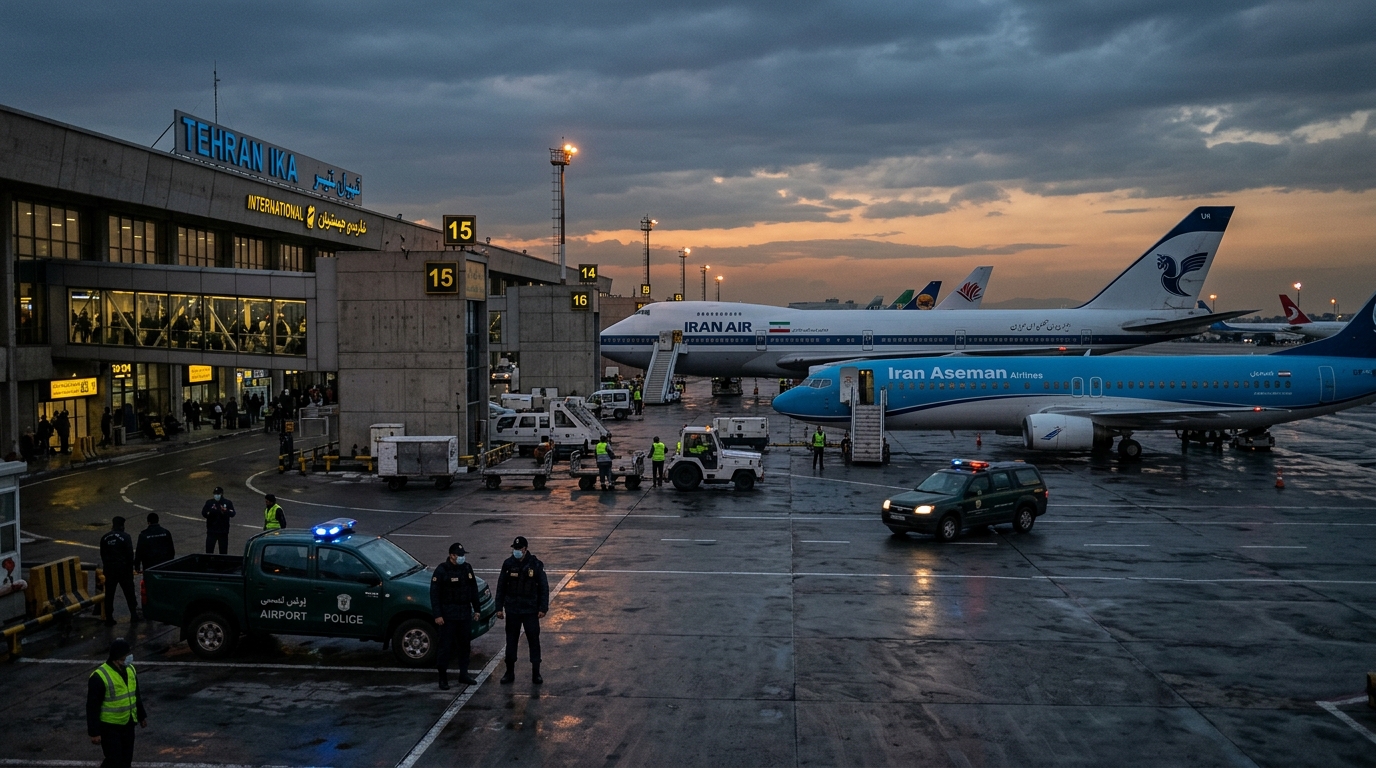
Oil moved higher after a fresh U.S. warning tied to Iran added to already elevated geopolitical tension in the energy market. According to CNBC reports, crude prices rose as investors reacted to comments from U.S. Treasury Secretary Scott Bessent, who told CNBC that all Iranian airlines would be “shut down” from Wednesday.
The move matters for markets because traders often treat any new U.S.-Iran escalation as a potential signal of broader regional risk. Even when an announcement is not directly about oil exports, the market can quickly price in the possibility of tighter sanctions enforcement, transport disruption, or a wider deterioration in relations across the Gulf.
Why the market reacted
According to CNBC, the oil move followed concern over growing Iran-U.S. tensions after Bessent’s warning. A separate CNBC headline specifically reported Bessent’s statement that Iranian airlines would be shut down from Wednesday. Taken together, those reports point to a market reading the announcement as more than an aviation story.
For commodity traders, the issue is not simply whether flights are affected. It is whether the policy step signals a harder U.S. line toward Tehran that could spill into shipping, insurance, payments, or sanctions enforcement in other sectors. Oil often reacts first to that possibility because it is the most globally sensitive asset linked to Middle East political risk.
CNBC also reported that Iranian President Masoud Pezeshkian is heading to New York for a United Nations meeting while President Donald Trump has warned of consequences if no deal is reached. That diplomatic backdrop appears to have reinforced the sense that the confrontation could intensify before any de-escalation becomes visible.
What traders will watch next
The immediate question for the market is whether this remains a headline-driven risk premium or develops into something broader. Traders will likely watch for:
- Any formal U.S. enforcement details beyond Bessent’s television comments.
- Iran’s response to the airline shutdown warning and related diplomatic messaging.
- Signals from shipping and energy logistics across the region.
- Reaction from other governments if the dispute begins to affect travel, trade, or sanctions compliance.
At this stage, the available headlines support a market story centered on risk sentiment rather than confirmed supply loss. That distinction is important. Prices can rise on geopolitical concern well before there is evidence of barrels being removed from the market.
Why this matters beyond crude
Moves in oil can quickly feed into broader cross-asset pricing. A sustained rise in crude tends to shape inflation expectations, transport costs, and sentiment toward energy-importing economies. It can also affect currencies and equity sectors, especially airlines, chemicals, and heavy industry.
For now, the current reporting points to a market repricing of geopolitical uncertainty, not a verified change in physical oil flows. Still, when tensions between Washington and Tehran sharpen, commodity desks generally become more sensitive to any sign that sanctions pressure could broaden.
According to CNBC reports, the latest catalyst was clear: Bessent’s warning on Iranian airlines and the resulting concern about worsening U.S.-Iran relations. That was enough to push oil higher as traders reassessed near-term regional risk.
Neutral outlook
The next market move will likely depend on whether the airline warning remains an isolated pressure tactic or becomes part of a wider U.S. escalation toward Iran, according to CNBC’s reporting. Until that is clearer, oil may continue to carry a geopolitical premium.
MarketPro reports are AI-assisted analyses of publicly reported market news. Not investment advice.