Kalshi ruling adds pressure to U.S. event-contract platforms
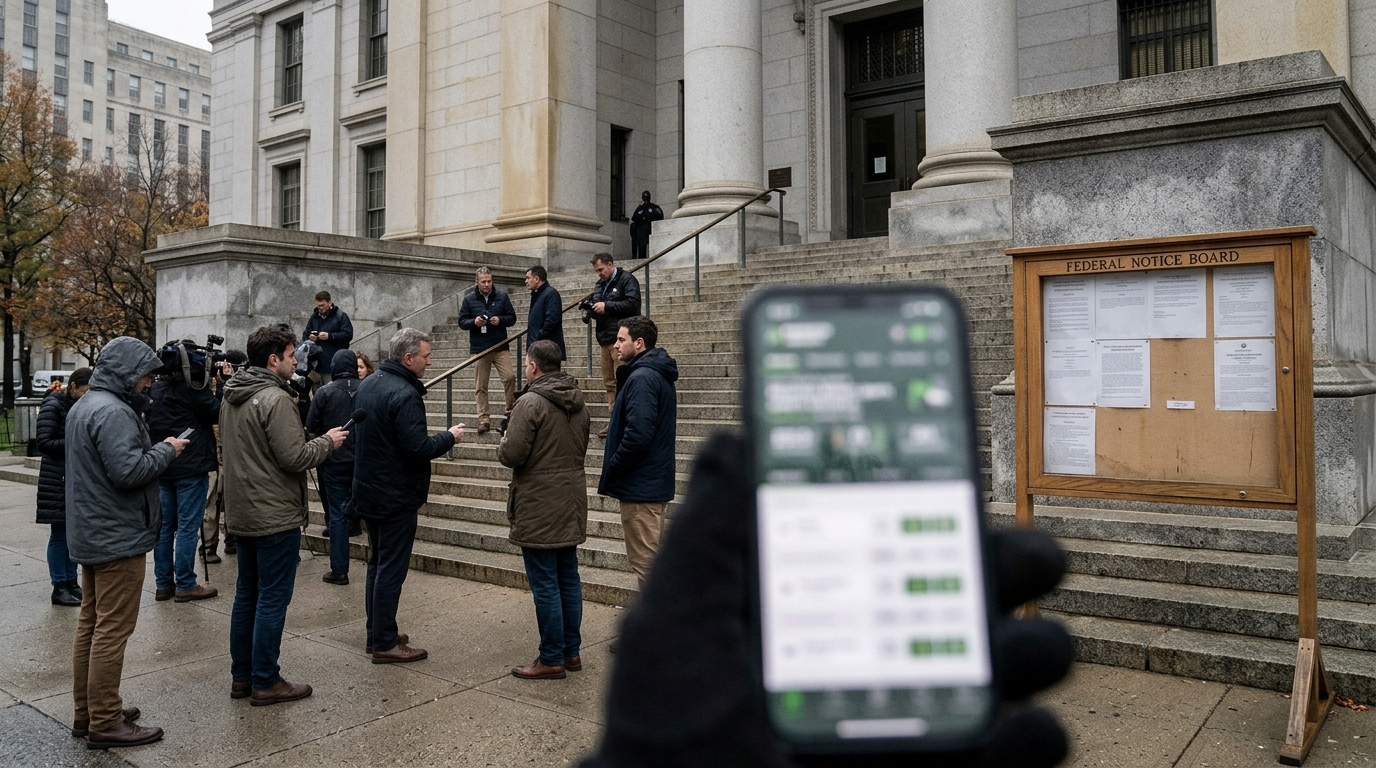
A new U.S. appeals court ruling against Kalshi is reverberating beyond one company, because it sharpens a central question for prediction-market operators: how much room states have to police products that look like sports wagering even when they are structured as federally regulated event contracts.
According to a CNBC report, an appeals court ruled that states can regulate Kalshi’s sports prediction markets, delivering another legal setback to the platform. The decision matters for market participants far beyond Kalshi itself, because it could shape how exchanges, derivatives venues and adjacent crypto-linked prediction platforms approach U.S. expansion.
Why the ruling matters to markets
Prediction markets sit at the intersection of finance, gaming law and, increasingly, digital-asset market structure. In recent years, traders have used event contracts to express views on elections, economics and sports outcomes. Supporters argue these products improve price discovery and hedging. Critics say some contracts function too much like conventional betting to avoid state oversight.
The appeals court decision, as described by CNBC, strengthens the hand of states that want to apply their own rules to sports-related prediction products. That is significant because one of the core commercial arguments for federally supervised event contracts has been that they can operate under a national framework rather than a patchwork of local rules.
If that legal premise weakens, platforms may face higher compliance costs, more fragmented market access and slower product rollouts. For traders, that can mean reduced liquidity in certain contracts, uneven product availability across states and potentially more caution from operators when listing politically or socially sensitive event markets.
Why this is bigger than one platform
The decision lands at a time when the broader event-contract and crypto industries are both trying to define their place within U.S. regulation. Cointelegraph reported separately that OG.com is seeking CFTC approval for single-stock perpetual futures, showing how firms continue to test the boundaries of regulated retail market access. While that is a different product set, the common thread is clear: platforms want room to innovate, while regulators and courts are drawing lines around what kinds of contracts can be sold and under what authority.
That overlap matters because many users do not divide the market neatly between traditional derivatives, prediction markets and crypto-native venues. Capital and trading behavior often move across all three. A restrictive court interpretation in one segment can influence risk appetite and legal strategy in another.
Cointelegraph also reported that exchanges’ crypto gain reporting to the IRS is becoming a tax challenge, underlining another trend in digital markets: compliance burdens are rising even where products remain legal. For investors and operators, the takeaway is not simply that one ruling hurts one company. It is that the operating environment for alternative trading products in the U.S. is becoming more complex at the same time policymakers are asking tougher questions about consumer protection and market integrity.
State authority versus federal oversight
The practical issue is whether federal derivatives oversight preempts state-level action when a platform lists sports-related event contracts. CNBC’s report indicates the appeals court did not accept the broad shield Kalshi sought. That could encourage other states to take a more assertive stance, especially in areas where local gaming regulators believe event contracts compete with licensed sportsbooks.
For the market, that raises several second-order questions:
- Product design: Platforms may rethink contract structures to avoid the appearance of sports wagering.
- Geographic access: Operators may restrict users in certain states to reduce legal risk.
- Regulatory sequencing: Firms may seek clearer federal approvals before launching new categories.
- Competitive balance: Larger firms with deeper legal budgets may gain an edge over smaller entrants.
Those effects could spill into how investors value companies with exposure to event trading, sports-linked contracts or retail derivatives innovation.
Why readers should watch the next legal steps
What comes next may be as important as the ruling itself. Companies in this area are likely to keep testing where courts, the CFTC and state regulators draw the line. Any follow-on filings, enforcement actions or revised contract frameworks could become market-moving signals for the broader prediction-market ecosystem.
For now, the ruling adds legal friction to a part of the market that had been trying to scale. According to CNBC, states now have stronger backing to regulate Kalshi’s sports prediction markets. That does not settle every question around event contracts, but it does make the U.S. pathway for these products look narrower and more state-dependent than some operators had hoped.
Neutral outlook: Watch for whether platforms narrow product offerings, pursue fresh CFTC clarity or adjust state-by-state access policies after the court decision.
MarketPro reports are AI-assisted analyses of publicly reported market news. Not investment advice.