Russia warning puts euro and defense risk back in focus
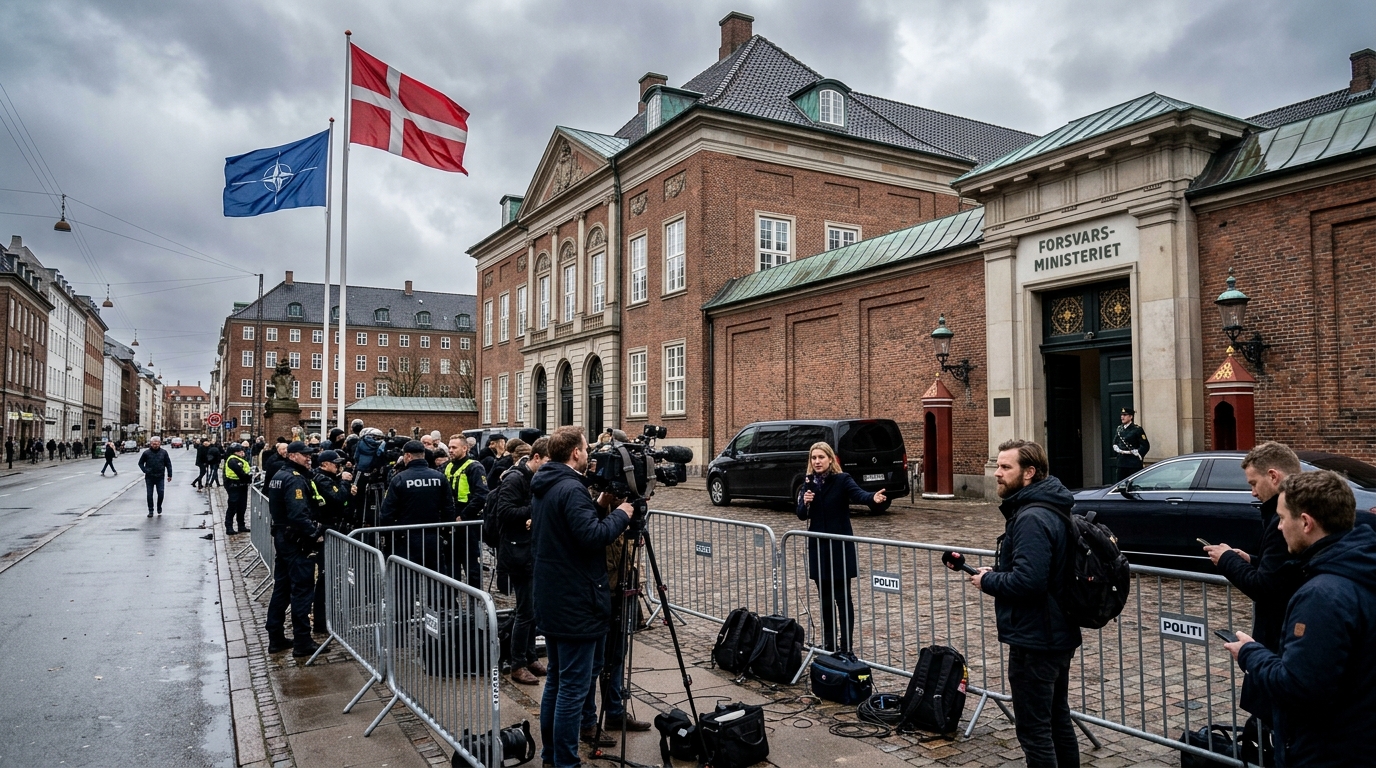
A warning from Danish intelligence that Russia could attack a NATO country within months has put European geopolitical risk back into focus for currency and regional asset markets. According to CNBC, the assessment raises the possibility that investors may need to price a more immediate security threat in Europe rather than a longer-dated strategic risk.
The importance of this story lies in how quickly security concerns can move beyond defense stocks and into the euro, sovereign bonds and broader risk sentiment. For foreign-exchange markets in particular, a renewed perception of Europe-specific geopolitical vulnerability can affect flows into traditional havens and reshape relative growth expectations.
Why the warning matters for FX markets
The euro is not only a function of rates and growth. It can also be influenced by political cohesion, fiscal outlook and regional security. A warning of a possible Russian attack on a NATO country within months, if taken seriously by markets and policymakers, raises questions about defense readiness, public spending and investor confidence across Europe.
According to CNBC, the source of the warning is Danish intelligence. That gives the story institutional weight, even if markets will still look for corroboration from other NATO governments and alliance officials before making larger portfolio adjustments.
When regional security risk rises, the initial FX response often favors the U.S. dollar and, at times, other havens, depending on the wider macro backdrop. The euro can come under pressure if investors see conflict risk as disproportionately European.
Potential market channels to watch
1. Euro sensitivity to regional risk
If the warning prompts broader concern across European capitals, the euro could face pressure through risk aversion alone. That does not require a change in monetary policy expectations. A security shock can alter positioning even when central-bank signals stay unchanged.
2. European bond markets
Heightened defense concerns may also feed into bond trading. Some government debt can benefit from haven demand within Europe, while at the same time markets may reassess fiscal paths if military spending expectations rise. That combination can create uneven moves across the region.
3. Defense and industrial spillovers
Although this is fundamentally a geopolitical story, it can also shape equity leadership. Defense-linked names may attract renewed attention if governments appear likely to accelerate procurement or readiness plans. That said, the broader regional market impact could still be negative if investors focus more on macro risk than on sector beneficiaries.
4. NATO credibility and policy response
A key issue for markets is not only the warning itself but how NATO members respond. A coordinated response could steady sentiment by signaling preparedness and deterrence. A fragmented response could do the opposite.
Why this is more than a headline shock
What makes this story notable is the timeframe. A warning framed in months rather than years can compress market reactions because portfolio managers may feel less able to treat the threat as background noise. That can matter for the euro even if no immediate military event follows.
Europe has spent years balancing war-related economic effects, energy disruptions and defense spending pressures. A new intelligence warning revives the idea that security risk remains a live macro variable for the region. In FX terms, that can reintroduce a geopolitical discount that competes with interest-rate narratives.
Readers have shown sustained interest in geopolitics when it carries clear market spillovers, especially in commodities and currencies. This development fits that pattern because it has direct implications for European risk pricing and dollar-euro positioning.
What could limit the market impact
Markets will want confirmation and context. One intelligence warning does not automatically produce a lasting repricing if other NATO governments do not publicly reinforce the assessment. Investors will also compare the warning with current military, diplomatic and sanctions dynamics before concluding that near-term conflict odds have materially changed.
In addition, broader drivers such as U.S. Treasury yields, European Central Bank expectations and global risk appetite may still dominate day-to-day euro trading. Geopolitical risk can be powerful, but it often competes with monetary and growth factors rather than replacing them entirely.
Neutral outlook: The immediate test is whether other European and NATO voices validate the urgency of Denmark’s assessment; if they do, the euro and regional assets may face a more persistent geopolitical overhang.
MarketPro reports are AI-assisted analyses of publicly reported market news. Not investment advice.