Crypto Faces Fresh Pressure on Taxes, Futures, Security
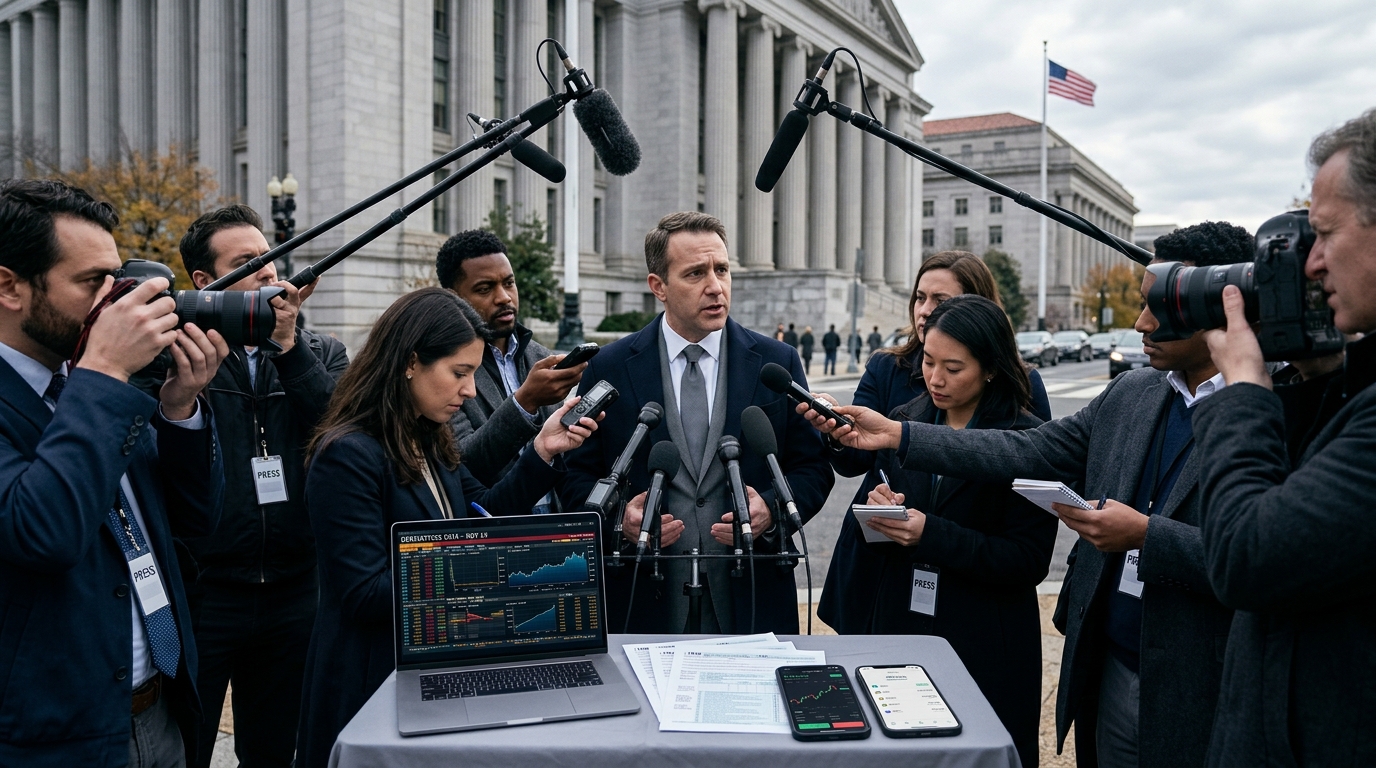
Crypto’s next phase looks increasingly defined by regulation, reporting infrastructure and market structure rather than simple price momentum. Today’s wire headlines from Cointelegraph point to a sector dealing simultaneously with tax complexity, derivatives innovation, security disclosures and data-market consolidation.
That mix matters because it shows where institutional and policy pressure is building. Instead of one dominant token story, the day’s crypto narrative is about how the industry is being shaped by the rules and systems around trading.
Tax reporting remains a major friction point
The most broadly significant headline may be Cointelegraph’s report that exchanges reporting crypto gains to the IRS is becoming a tax nightmare. Even without further detail in the headline itself, the framing underscores a practical reality for the industry: compliance burdens can become market-moving issues when they affect exchanges, users and reporting systems at the same time.
Tax administration is often treated as a back-office issue until it starts influencing customer behavior, operating costs or legal risk. For crypto firms, IRS reporting complexity may increase pressure to invest in better records, reconciliations and customer disclosures. For users, it raises the prospect that participation becomes more cumbersome even when market access remains open.
Derivatives continue to push toward regulated expansion
At the same time, Cointelegraph reported that OG.com is seeking CFTC approval for single-stock perpetual futures. That headline stands out because it sits at the intersection of crypto-style product design and traditional regulatory oversight. Perpetual futures have long been associated with offshore or crypto-native trading venues; bringing a single-stock version into a CFTC approval process would signal an attempt to formalize a more controversial segment of derivatives trading.
The significance is broader than one application. It suggests that parts of the industry still see opportunity in expanding product breadth even as compliance demands intensify. In that sense, crypto and traditional finance are increasingly competing on market structure, not just asset performance.
Cointelegraph’s separate “Crypto Biz” headline framed the issue directly, saying Wall Street and crypto are fighting for the same turf. That characterization aligns with a market where token platforms, derivatives venues and conventional financial institutions are converging around similar customers and similar products.
Security and transparency stay in focus
Security remains another crucial theme. Cointelegraph reported that Bitget clarified that $388 million in assets were affected by a security breach. Another headline said Tether had “limited” exposure to a bank linked to an $84 million U.S. seizure. Neither headline alone defines the entire market, but together they reinforce how quickly confidence can turn on custody, counterparty and operational transparency.
For market participants, these are not secondary issues. Security incidents and exposure questions can shape liquidity, trust and platform choice. In crypto especially, users often evaluate venues not only by fees and product range, but by how they communicate after a disruption.
Data consolidation adds another layer
Cointelegraph also reported that CoinMarketCap is buying CoinGlass to expand crypto derivatives data. That points to another structural trend: trading data itself is becoming a strategic asset. As derivatives volumes and market complexity grow, access to better data, analytics and benchmarking can become increasingly valuable to traders, exchanges and institutions.
Combined with the tax and regulatory headlines, the acquisition suggests a market maturing in uneven ways. On one hand, compliance and oversight are getting heavier. On the other, the supporting infrastructure around derivatives and analytics continues to develop.
A more institutional, but more demanding, market
Today’s crypto headlines describe an industry that is not standing still. It is adding products, consolidating data capabilities and trying to work within more formal regulatory channels. But it is doing so while confronting tax complexity and renewed scrutiny around security and exposure.
That combination may be especially important for readers who favor crypto stories tied to regulation and exchange structure rather than pure token speculation. The common thread is that crypto’s evolution now depends as much on systems and supervision as on innovation.
Neutral outlook: Near-term crypto sentiment may keep shifting with headlines, but the longer-running story is a market becoming more structured, more transparent and potentially more burdensome to operate in.
MarketPro reports are AI-assisted analyses of publicly reported market news. Not investment advice.