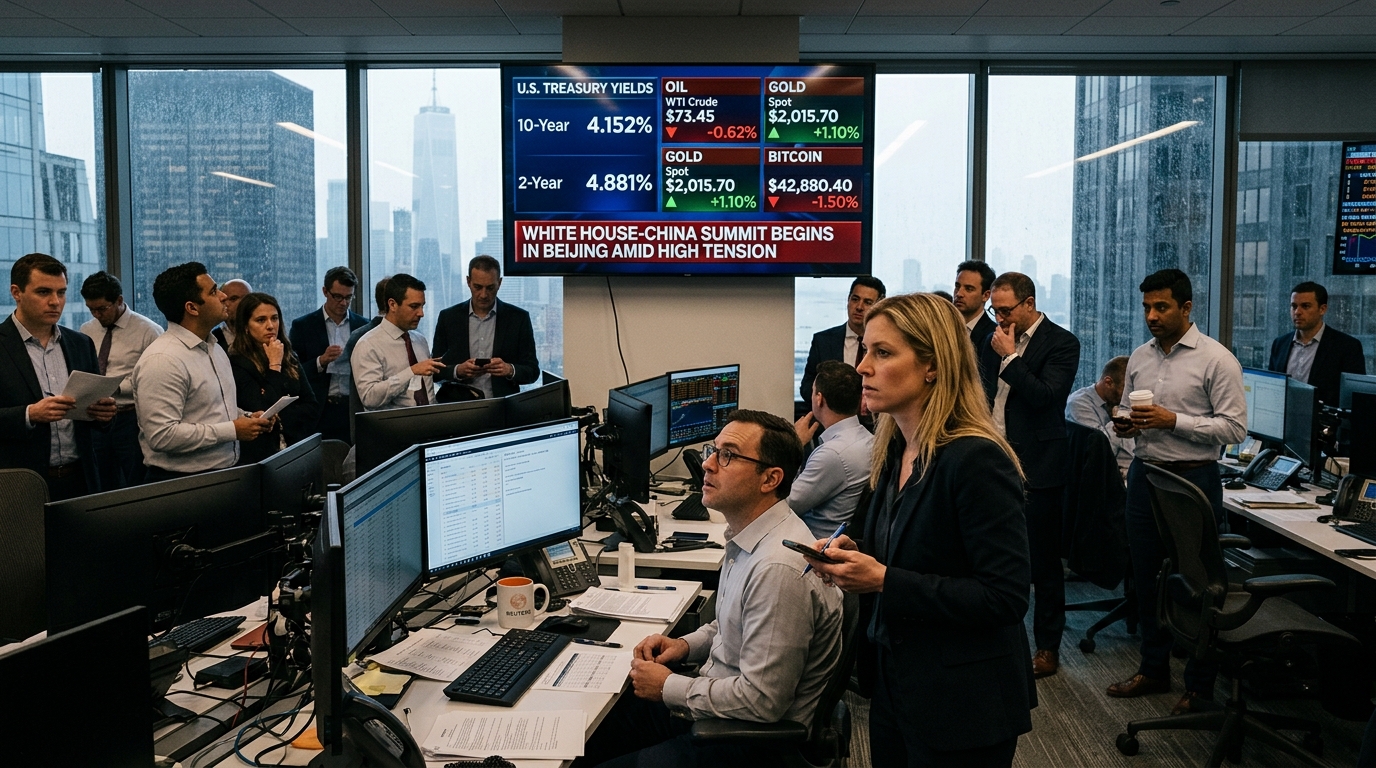
Global Markets Daily Brief — September 26, 2026
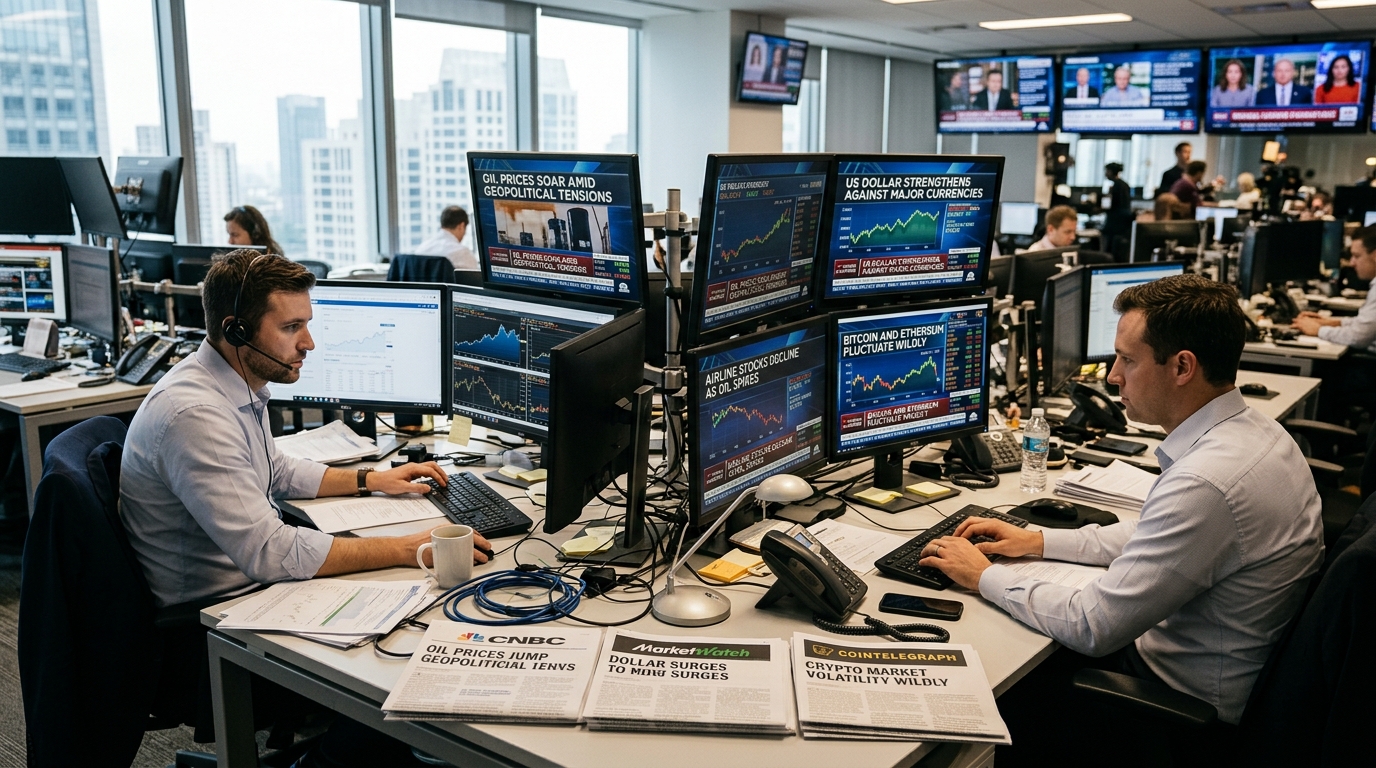
Global markets entered September 26 with investors balancing geopolitics, regulation and company-specific developments rather than reacting to a single dominant macro catalyst. Based on today’s wire headlines, the biggest cross-asset themes are Middle East diplomacy, U.S.-China relations, weather-related transport disruption, and a fresh round of legal and compliance developments in crypto and prediction markets.
Geopolitics remains central, but signals are mixed
The clearest macro-sensitive headline came from CNBC, which reported that Iran has offered to reopen the Strait of Hormuz within seven days and restart nuclear talks. That matters because the strait is a critical artery for global energy flows, making any sign of de-escalation potentially relevant for oil, shipping costs and inflation expectations.
But the geopolitical picture is not one-directional. Investing.com, citing a Wall Street Journal report, said President Donald Trump rejected an Iranian peace proposal. Taken together, those two reports suggest markets may continue to price headline risk rather than a settled diplomatic path. For commodities and foreign exchange, that means traders may remain highly sensitive to confirmation of whether any reopening or negotiations actually occur.
On U.S.-China relations, CNBC said Trump and Chinese President Xi Jinping wrapped a state visit centered more on spectacle than substance. That framing suggests investors looking for concrete trade, tariff or technology-policy breakthroughs may be left waiting. In currency and equity markets, the absence of substantive outcomes can matter almost as much as a negative surprise, especially when positioning had anticipated policy clarity.
Transport and consumer-facing sectors face practical disruptions
CNBC also reported that airlines are waiving change fees ahead of a nor’easter as flight delays begin to build. While weather disruptions are often short-lived, they can affect airline operations, near-term booking patterns and regional consumer activity. The headline points to operational flexibility by carriers, but also highlights how quickly transport and travel names can become exposed to non-economic shocks.
On the consumer and corporate side, several stock-specific stories stood out. MarketWatch reported that Apple’s expensive new iPhones could be a double-edged sword for the company, while Tesla shares fell as the launch of its Semi truck failed to excite investors. Separately, CNBC reported that Coca-Cola hired Rob Gehring from Monster Energy to run North American operations, a management move worth watching in the beverages space.
MarketWatch also said Microsoft closed at its highest level of the year, signaling continued resilience in large-cap technology leadership. Even so, investors appear to be differentiating sharply between megacap software, hardware and more cyclical industrial growth stories rather than lifting the entire market in tandem.
Legal rulings add to regulatory overhang
One of the day’s more important structural developments came from the courts. CNBC reported that a U.S. appeals court upheld the Pentagon’s designation of Anthropic as a supply chain risk. In a separate headline, CNBC said an appeals court ruled that states can regulate Kalshi’s sports prediction markets, adding another legal setback for event-contract platforms.
These decisions matter beyond the individual companies involved. They reinforce a broader market theme: sectors tied to national security, digital platforms and novel financial products are increasingly shaped by regulatory boundaries as much as by demand growth.
That pattern is also visible in crypto. Cointelegraph reported that exchanges reporting crypto gains to the IRS is becoming a tax nightmare, while another Cointelegraph headline said OG.com is seeking CFTC approval for single-stock perpetual futures. Together, those headlines suggest the digital-asset sector remains focused on market structure, compliance and product expansion rather than just token prices.
A fragmented market backdrop
Today’s headlines paint a fragmented but recognizable market environment. Energy-sensitive assets remain tied to whether Middle East diplomacy produces action. Trade-sensitive assets are still watching for tangible U.S.-China outcomes. Travel and consumer sectors are reacting to operational disruptions and pricing questions. Meanwhile, crypto and prediction markets continue to confront regulatory friction.
There is not yet a single headline here that forces a unified global repricing across stocks, currencies, commodities and digital assets. Instead, the picture is one of selective opportunity and selective risk, where investors appear to be rewarding clarity and punishing uncertainty.
Neutral outlook: The next market moves may depend less on broad sentiment than on whether today’s tentative diplomatic, legal and operational headlines turn into confirmed policy actions or fade into temporary noise.
MarketPro reports are AI-assisted analyses of publicly reported market news. Not investment advice.