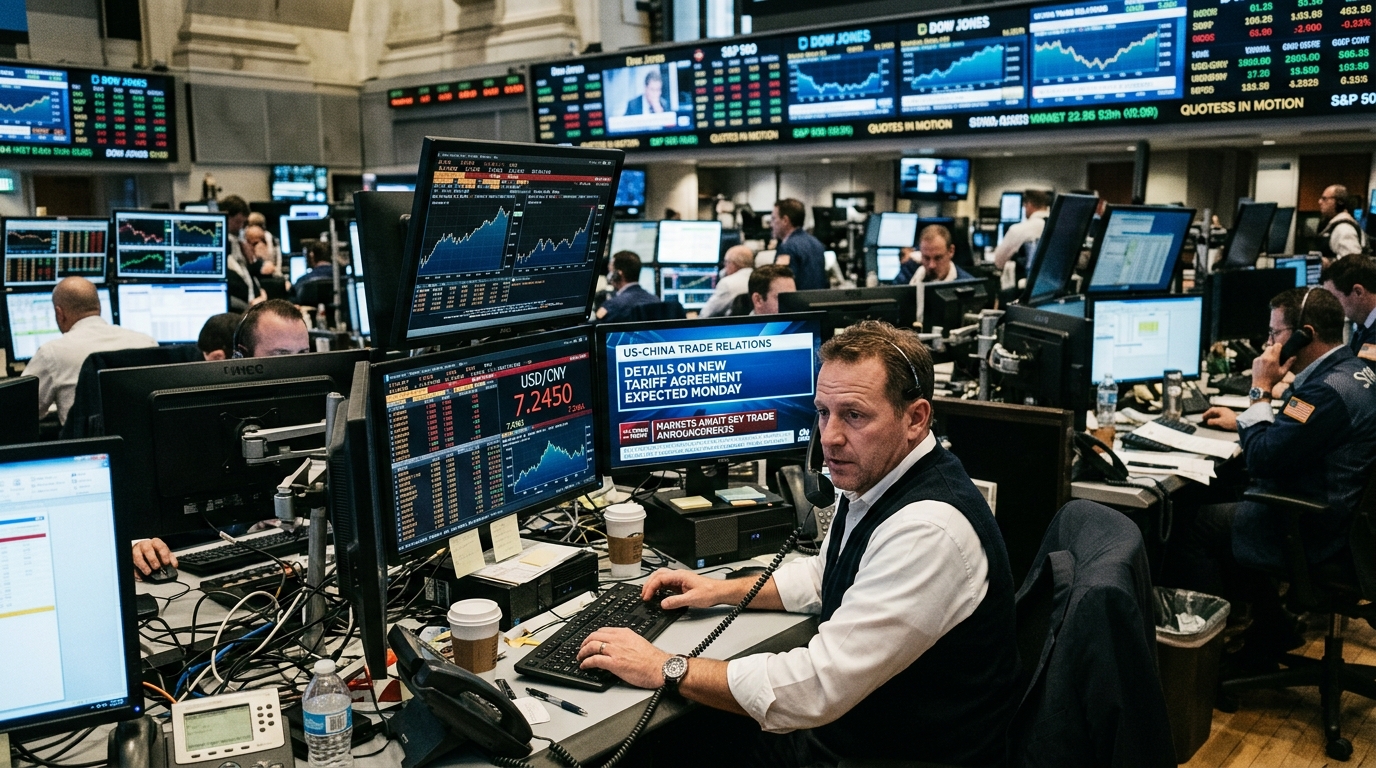
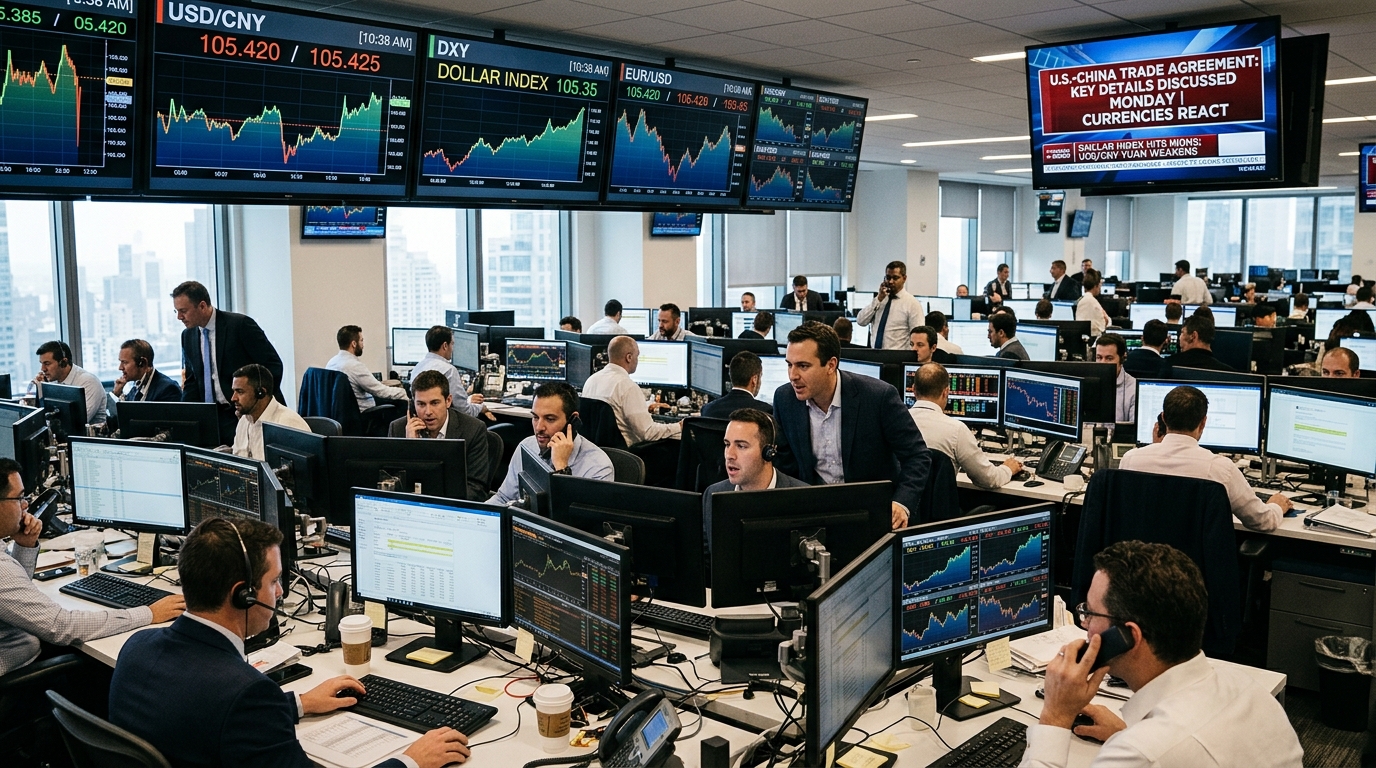
Trump-Xi visit ends with optics, limited policy detail
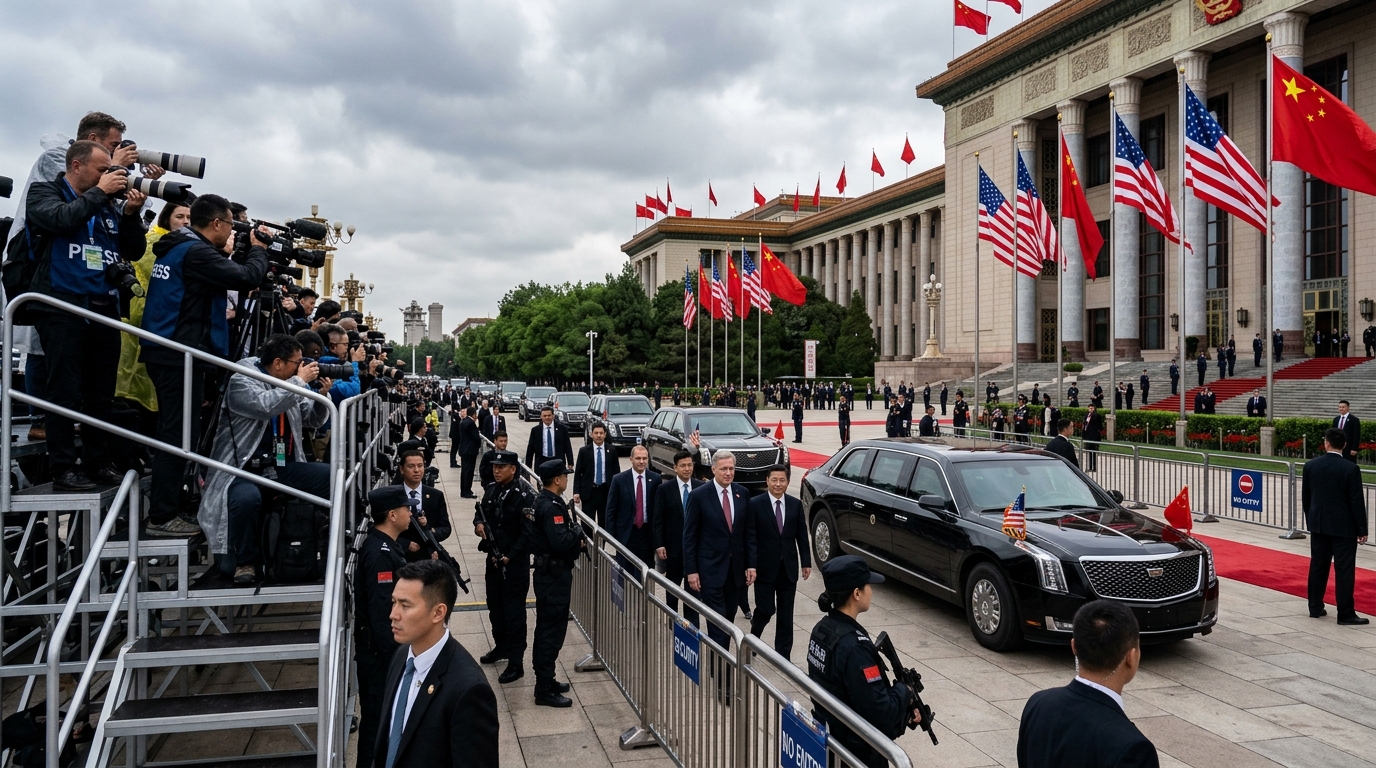
A closely watched state visit between U.S. President Donald Trump and Chinese President Xi Jinping ended with heavy symbolism but limited concrete economic substance, according to CNBC reports. For markets, that distinction matters: high-level diplomacy can shape sentiment, but currencies and risk assets typically need policy specifics on trade, tariffs, capital flows or sanctions before repricing in a durable way.
CNBC said the visit was centered more on spectacle than substance, with the top takeaways pointing to optics rather than a clearly defined breakthrough on core disputes. That leaves foreign-exchange markets in a familiar position. The dollar and yuan often react not just to diplomatic tone, but to whether talks produce changes in tariff policy, export controls, investment restrictions or coordination on broader economic issues.
Why the forex market still cares
Even when no immediate agreement emerges, U.S.-China diplomacy remains a major input for global currency markets. The dollar, offshore yuan and a range of Asia-linked currencies are sensitive to signs of either stabilization or renewed friction between the world’s two largest economies.
When state visits generate warm language but few binding commitments, the initial market effect is often restraint rather than conviction. Traders may hold back from making large directional bets until more details appear through official statements, follow-up negotiations or agency-level implementation.
That dynamic is especially important because U.S.-China relations affect several currency channels at once:
- Trade expectations: Any easing or escalation in trade tensions can alter views on export demand, manufacturing activity and regional growth.
- Capital flows: Policy clarity influences investor appetite for Chinese assets and for dollar-denominated safe havens.
- Risk sentiment: Diplomatic tension can lift demand for defensive currencies, while signs of stabilization can support more cyclical FX exposure.
Optics alone may not shift pricing for long
According to CNBC, the visit produced headline visibility without a corresponding level of policy detail. That is important for investors because recent market positioning has repeatedly shown sensitivity to U.S.-China developments, but only when those developments are concrete enough to affect earnings, supply chains or cross-border investment rules.
In practical terms, a ceremony-heavy summit can reduce immediate fears of deterioration, but it does not automatically create a new trading framework for the dollar or yuan. Markets generally need to see whether officials move beyond diplomatic staging into measurable commitments.
The absence of fresh substance may also keep attention on existing pressure points, including technology restrictions, industrial policy, security reviews and the trade architecture that has defined the bilateral relationship in recent years.
What global investors may watch next
With the visit now concluded, market focus is likely to shift from visuals to documentation. Traders and analysts will be looking for any post-visit readouts that clarify whether the two sides advanced discussions on trade, tariffs or sector-specific controls.
That next stage matters more than the ceremony itself. If officials release follow-up measures, currency markets could begin to reflect a clearer view of medium-term bilateral relations. If not, the visit may be remembered as a diplomatic signal rather than a market-moving policy event.
CNBC’s framing suggests that, for now, investors are left with a message of engagement but not resolution. That may be enough to prevent immediate deterioration in sentiment, yet not enough to change the broader macro playbook for the dollar, yuan or Asia-sensitive currencies.
Market lens
For forex participants, the key question is whether symbolism turns into operating policy. Until that happens, markets may treat the visit as a tone-setter rather than a decisive economic catalyst.
Neutral outlook: The visit may help preserve diplomatic channels, but according to CNBC, the lack of substantive policy detail means markets are still waiting for clearer signals on trade and currency implications.
MarketPro reports are AI-assisted analyses of publicly reported market news. Not investment advice.