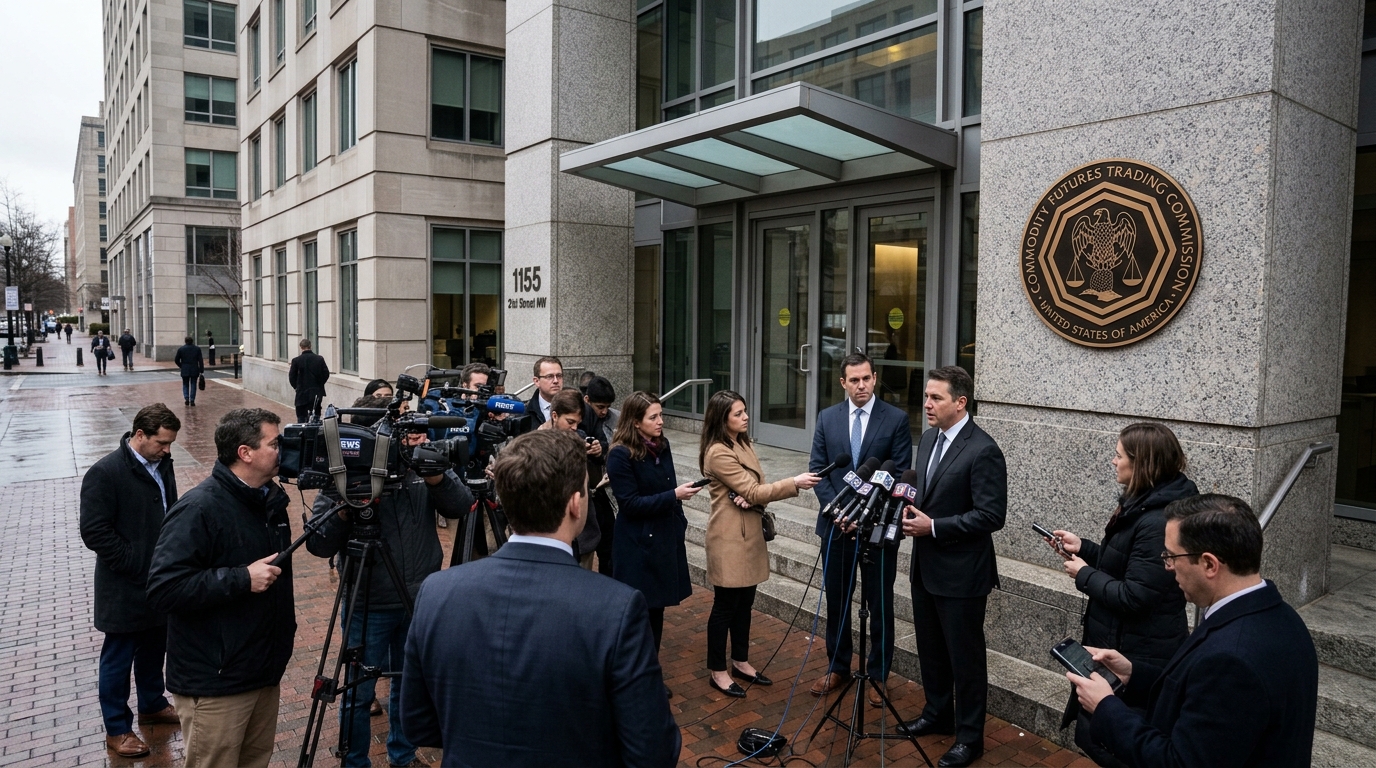
SEC Exit and Kalshi Appeal Loss Refocus Crypto Rulebook
Two U.S. regulatory developments are sharpening the market’s focus on crypto and derivatives market structure: Cointelegraph reported that SEC Commissioner Hester Peirce is set to leave her post on Oct. 2, while the same outlet reported that Kalshi lost an appeal, setting up a potential Supreme Court path.
These are separate stories, but together they matter because they reinforce a broader theme for digital assets and event-linked trading markets: U.S. regulation is still being shaped through personnel shifts and courtroom outcomes as much as through formal rulemaking.
Why the SEC angle matters
According to Cointelegraph, Peirce will leave the SEC on Oct. 2. Peirce has been one of the most closely watched commissioners by the crypto industry, often associated with calls for clearer digital-asset rules and a more workable path for innovation within securities law.
The headline alone does not specify the reason for the departure or who might replace her. But even without those details, a commissioner change can matter for market expectations. Participants watch SEC composition closely because it can influence how aggressively the agency approaches enforcement, exemptions, disclosures and product approvals.
For crypto firms, that affects practical questions such as:
- how token classifications may be approached,
- how exchanges and brokers manage compliance risk,
- whether product reviews become faster or slower, and
- how much uncertainty remains around U.S. operating models.
Even if one commissioner does not determine agency policy alone, personnel changes can still alter the tone of debate inside the SEC and the signal sent to the market.
Kalshi and the market-structure question
Cointelegraph also reported that Kalshi lost an appeal, a result that could set up a Supreme Court case. The headline points to a legal fight with implications beyond one platform. At stake is the boundary around event contracts and the extent of federal oversight in products tied to political, economic or other real-world outcomes.
That matters to crypto-adjacent markets because the legal architecture around event trading, derivatives access and exchange permissions often spills across asset classes. If courts narrow or expand the space available to event-based contracts, that can influence how regulators and platforms think about innovation in prediction markets, tokenized products and other speculative instruments.
It is also notable that Cointelegraph separately reported OG.com is seeking CFTC approval for single-stock perpetual futures. Taken together, the headlines suggest continued pressure on U.S. regulators to define what kinds of novel trading products can exist inside the current framework.
Why this matters for markets now
Crypto prices often react most visibly to ETF headlines, enforcement actions or macro liquidity shifts. But under the surface, market structure can be just as important. Rules around listings, contract design, disclosure and venue permissions shape where trading happens and which products gain institutional traction.
The latest headlines do not by themselves change those rules overnight. What they do is remind the market that the U.S. framework remains unsettled. That uncertainty can affect capital allocation decisions, legal strategy and product development across exchanges, brokers and token issuers.
It can also reinforce a geographic question that has been central to the digital-asset industry for years: whether firms choose to build primarily in the U.S. or prioritize jurisdictions where rulebooks are more settled.
What to watch next
On the SEC side, markets will likely watch for any formal confirmation, transition timing and signs of how the commission’s balance may shift after Peirce’s reported departure. On the Kalshi side, attention will turn to whether the case advances further and whether higher courts take up the dispute.
For now, according to Cointelegraph reports, both developments point in the same direction: U.S. oversight of crypto-adjacent and event-linked markets remains in flux, and legal structure remains a key driver of business risk.
Neutral outlook: The near-term takeaway is not a single policy outcome but a continued period of regulatory uncertainty, with market participants likely to stay focused on court decisions, agency composition and product-approval pathways.
MarketPro reports are AI-assisted analyses of publicly reported market news. Not investment advice.