Apple Patent Verdict Puts Fresh Focus on Device Risk
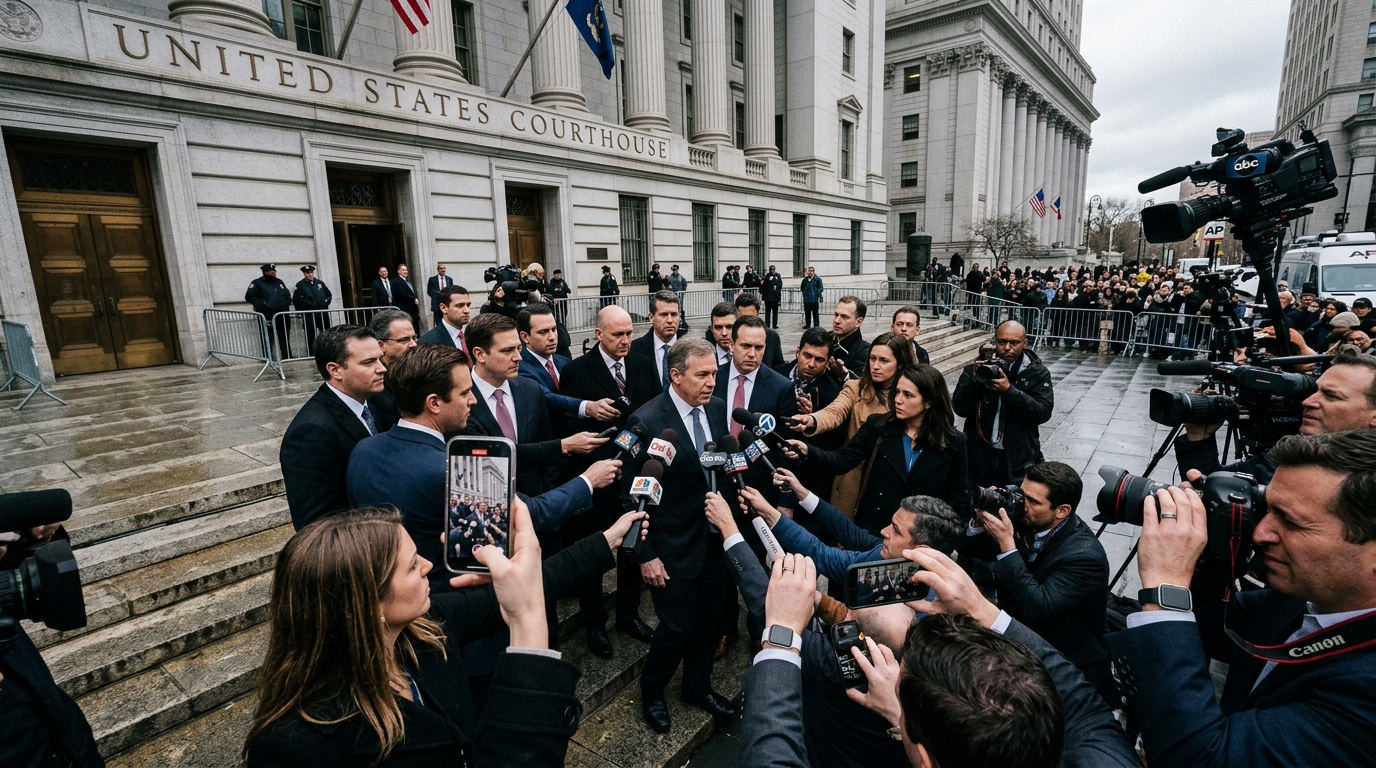
Apple is facing a $5.7 billion patent infringement verdict tied to haptics technology used in the iPhone and Apple Watch, according to CNBC. The decision brings legal risk back into focus for one of the world’s most closely watched hardware companies and may renew investor attention on how intellectual-property disputes can affect large-cap technology stocks.
While Apple has navigated major legal and regulatory challenges before, the size of this verdict stands out. For markets, the immediate issue is not only the headline amount but also what the case says about product-design dependencies in mature consumer hardware ecosystems.
Why this matters for investors following big tech
Patent disputes are common in the technology industry, but not all of them create meaningful market consequences. A verdict of this scale can matter because it introduces uncertainty around appeals, potential settlement dynamics and the cost of defending or modifying disputed product features.
In Apple’s case, the patents at issue relate to haptics, a feature category that has become deeply embedded in device interaction. Haptics are part of the user experience across notifications, controls and wearables, making the dispute notable beyond a single component supplier relationship.
According to CNBC, the verdict centers on technology tied to the iPhone and Apple Watch. That immediately gives the story broader market relevance because those products remain important anchors of Apple’s hardware ecosystem and brand positioning.
What the verdict changes in market terms
The ruling does not automatically determine the final financial outcome. Large patent cases often proceed through post-trial motions, appeals or settlement talks. Still, a verdict of this size can affect sentiment in several ways:
- Litigation overhang: Investors may have to account for a longer legal process.
- Margin sensitivity: Any eventual payout, licensing cost or redesign effort could become part of the discussion around hardware profitability.
- IP scrutiny: The case may prompt fresh examination of supplier, licensing and patent-defense strategies across the consumer-tech sector.
That does not mean markets will immediately reprice Apple on the full headline number. But it does mean the company’s legal disclosures and next procedural steps are likely to draw close attention.
Broader read-through for hardware and platform companies
For the wider stocks landscape, the case is a reminder that even the largest platform companies remain exposed to old-fashioned product and patent risk. That stands in contrast to the market’s recent emphasis on artificial intelligence, cloud growth and macro rate sensitivity.
In practical terms, hardware leaders can still face challenges tied to components, interface design and long-standing technical claims. Those issues may be less visible during strong product cycles, but they can quickly regain prominence when a court delivers a large award.
The Apple verdict also arrives at a time when investors are already balancing several pressures on major technology names, including valuation discipline, global supply-chain questions and competition for consumer-device demand. A legal development of this scale adds another variable to that mix.
Why this is more than a courtroom story
Apple’s size means company-specific legal developments often become sector signals. If investors see the verdict as an isolated case, market impact may stay narrow. If they view it as evidence that patent enforcement risk is rising for complex device ecosystems, the read-through could broaden to suppliers, component makers and other hardware-heavy technology groups.
According to CNBC, the case specifically targets haptics used in Apple’s flagship devices. That is why the story has significance beyond legal headlines: it touches a core element of product experience in categories where Apple has historically emphasized design integration and premium positioning.
For now, the key market question is procedural rather than speculative. Investors will watch how Apple responds, whether the company pursues appeal options and how the case is framed in future disclosures.
Neutral outlook: The verdict adds a meaningful legal overhang for Apple, but the market impact will likely depend on the appeals process, any settlement path and whether investors treat the case as company-specific or as a broader signal for hardware-sector patent risk.
MarketPro reports are AI-assisted analyses of publicly reported market news. Not investment advice.