Community banks challenge crypto charters in U.S. court
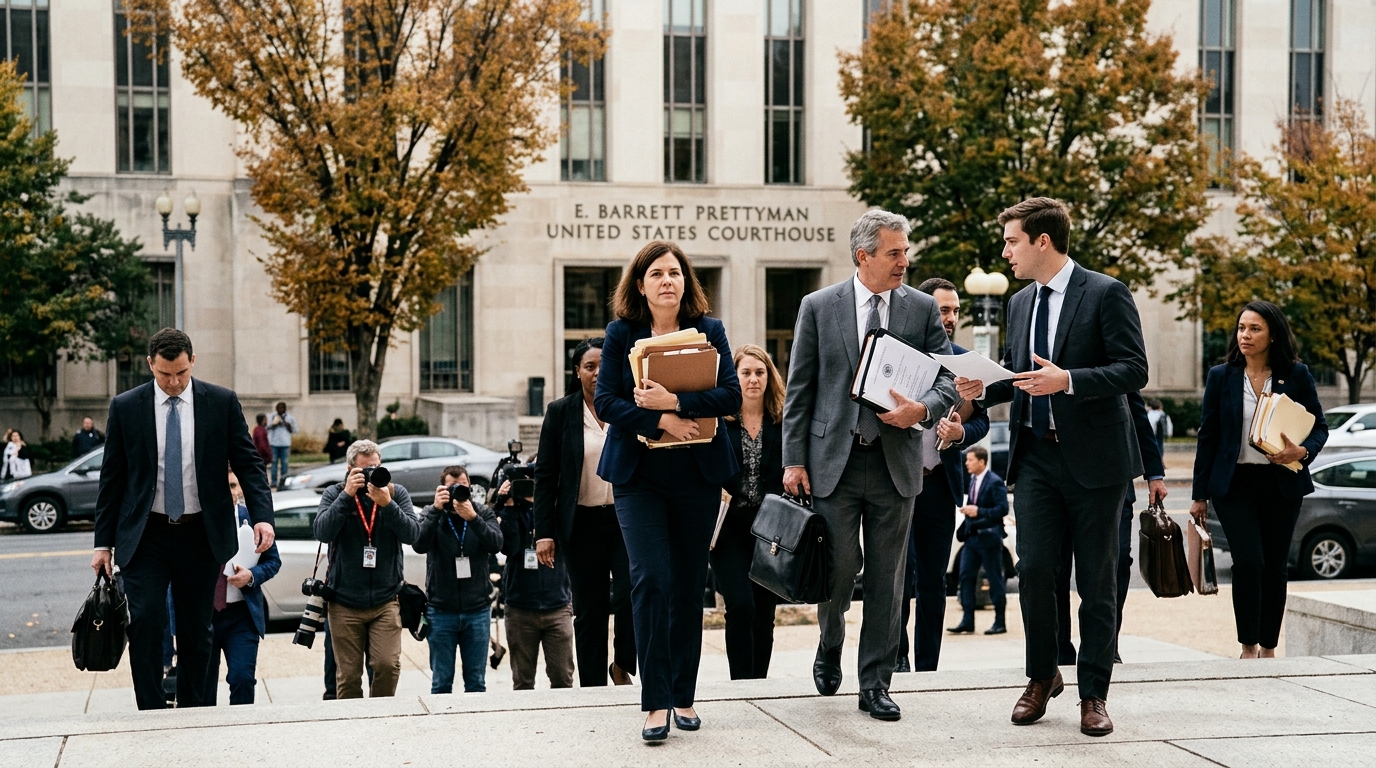
A new legal fight over who gets to operate inside the U.S. banking system is drawing attention across digital assets, as community banks challenge the Office of the Comptroller of the Currency over trust charters granted to crypto firms.
According to Cointelegraph, community banks have sued the OCC over the agency’s trust bank charters for crypto companies. The case opens a fresh regulatory front around whether digital-asset firms should be allowed to access bank-like structures without taking on the same obligations as traditional lenders.
The dispute also lands at a time when the sector is under pressure to prove its business durability. According to Cointelegraph, crypto bank Anchorage Digital, valued at $4.2 billion, has cut 17% of its workforce. While that is a separate development, the two stories together point to a bigger theme for markets: digital-asset firms are still trying to secure stable institutional footing even as their operating environment remains contested.
Why the OCC lawsuit matters
The legal challenge goes beyond one charter or one company. The OCC has been a key federal gatekeeper for firms seeking a more formal role in financial infrastructure. Trust charters can be especially important because they may offer a path to regulated custody and other financial services without looking exactly like a full-service commercial bank.
For community banks, the concern appears to be competitive and regulatory consistency. If crypto firms can win federal charters while operating under a different business model, smaller traditional institutions may argue that the framework creates an uneven playing field.
For crypto companies, the stakes are equally high. Regulatory recognition can help them attract institutions, deepen custody relationships and improve credibility with counterparties. A successful challenge to the OCC’s approach could complicate that path.
Institutional trust is still the real prize
The timing of the lawsuit matters because crypto’s next growth phase depends less on retail enthusiasm and more on institutional confidence. Banks, asset managers and payments firms generally want counterparties with clear legal standing. Any uncertainty over federal charters could slow that process.
That is why the Anchorage job-cut story matters as supporting context. According to Cointelegraph, Anchorage Digital is reducing headcount despite its prominent role in the regulated crypto ecosystem. The move suggests that even better-positioned firms are navigating a more demanding commercial environment, where legal clarity does not automatically translate into easy growth.
From a market-structure perspective, the issue is not simply whether crypto firms can exist alongside banks. It is whether regulators, courts and incumbent financial institutions can agree on the rules under which that competition should happen.
What the lawsuit could influence
- Custody markets: Institutional investors often prefer regulated providers for safeguarding digital assets.
- Bank-crypto partnerships: Legal uncertainty may make traditional institutions more cautious.
- Charter strategy: Other digital-asset firms could rethink whether pursuing federal approval is worth the cost and risk.
- Regulatory precedent: A court decision could shape how future nontraditional finance firms seek entry into banking-adjacent activities.
A broader test for U.S. crypto regulation
The case also reflects a recurring tension in U.S. crypto policy: whether digital-asset businesses should be folded into existing financial law or handled through bespoke rules. The charter question sits right in the middle of that debate, because it is about institutional access rather than token prices.
That makes the story important even without immediate market-price implications. A court fight over the OCC’s authority could affect how quickly crypto firms can embed themselves in the regulated financial system and how aggressively traditional banks push back.
According to Cointelegraph, the challenge comes directly from community banks rather than from market watchdogs alone. That is notable because it shows the contest over crypto regulation is also becoming a competition over business territory within finance itself.
Neutral outlook: The case is likely to be watched closely for signals on how far U.S. regulators can go in granting crypto firms formal banking-style status amid resistance from traditional institutions.
MarketPro reports are AI-assisted analyses of publicly reported market news. Not investment advice.