Crypto faces legal and custody test as U.S. pressure builds
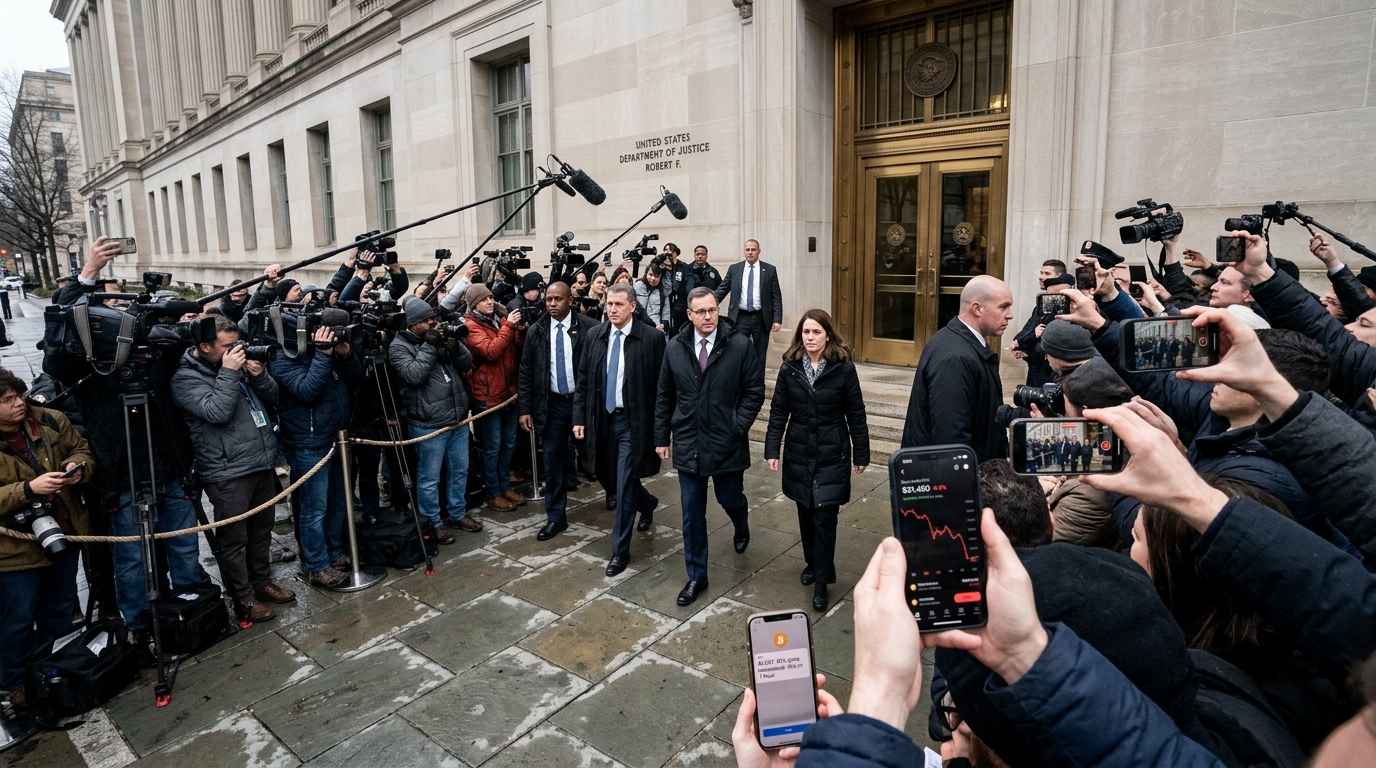
Crypto markets are navigating a more complicated mix of enforcement pressure, custody concerns and institutional experimentation, with several new developments pointing in different directions for digital-asset sentiment.
On the enforcement side, Cointelegraph reported that the U.S. plans to seize $1 billion in crypto linked to Iran this week, citing comments attributed to Scott Bessent. In a separate legal development, Cointelegraph also reported that New York permanently barred former Celsius chief executive Alex Mashinsky under a $35 million fraud settlement. Together, those stories reinforce a familiar message from regulators and prosecutors: large crypto-related enforcement actions remain a central part of the market backdrop.
At the same time, operational risk has returned to the foreground. Cointelegraph reported that hardware-wallet maker Ledger is investigating fund losses linked to a Southeast Asian reseller and warning users. That development matters because custody and wallet security are foundational issues for retail and institutional confidence alike.
Why this matters beyond headline risk
Markets often treat enforcement and security stories as short-lived shocks unless they reveal something larger about the system. In this case, the combination of a planned U.S. seizure, a major fraud settlement and a fresh wallet-related investigation speaks to the infrastructure of the crypto market, not just its price.
First, enforcement risk remains a live factor in how capital moves through the digital-asset ecosystem. A large seizure tied to sanctions or illicit-finance concerns would underscore the reach of state authorities into blockchain-based networks, even when assets are designed to move globally and outside traditional banking rails.
Second, the Mashinsky settlement adds to the long tail of accountability from the last major crypto downturn. The significance is less about one individual case and more about the continued legal cleanup of past excesses. That can support market maturation over time, but it can also keep reputational pressure on parts of the sector.
Third, the Ledger investigation is a reminder that user protection challenges do not disappear in stronger price environments. If security concerns affect the distribution chain around wallets and custody tools, investors may pay closer attention to how crypto products are sourced, verified and safeguarded.
Institutional adoption is still moving ahead
Despite those headwinds, signs of institutional experimentation continue. Cointelegraph reported that HSBC and Ant Digital are testing AI-agent payments using tokenized deposits. In another sign of market development, Cointelegraph cited CNBC in reporting that Blockchain.com is pursuing CFTC approval for prediction markets.
Those stories suggest that even as legal and security questions persist, established financial and technology firms are still exploring tokenized payment rails and regulated digital-market structures. That tension has defined crypto’s recent evolution: infrastructure development continues, but under tighter scrutiny and with a growing emphasis on compliance.
The market response has so far appeared relatively contained. Cointelegraph reported that bitcoin was consolidating near $82.5K even as the market digested the Ledger-related news. While one price point does not define broader sentiment, it does indicate that traders may be distinguishing between systemic shocks and manageable operational incidents.
What to watch next
Several issues could shape the next phase:
- Enforcement follow-through: Markets will watch whether the reported U.S. seizure action leads to wider sanctions or compliance consequences.
- Custody standards: The Ledger investigation may increase pressure for better transparency around device sourcing, reseller controls and user verification practices.
- Regulated product expansion: Efforts by larger institutions and trading platforms may help offset some risk sentiment if they lead to more supervised market channels.
For global investors, the key takeaway is that crypto is not moving on a single narrative. It is simultaneously an enforcement story, a security story and an institutional-market-structure story. According to Cointelegraph reports, all three strands are active at once.
That complexity may matter more than day-to-day price swings. Markets can absorb negative news when they believe the underlying system is becoming more robust. They struggle more when security lapses and legal actions suggest unresolved weaknesses in the basic plumbing.
Neutral outlook: Near-term sentiment may stay mixed as investors weigh tighter enforcement and custody risks against continued institutional interest in regulated blockchain and tokenized-finance applications.
MarketPro reports are AI-assisted analyses of publicly reported market news. Not investment advice.