Crypto Firms Face U.S. Charter Challenge From Banks

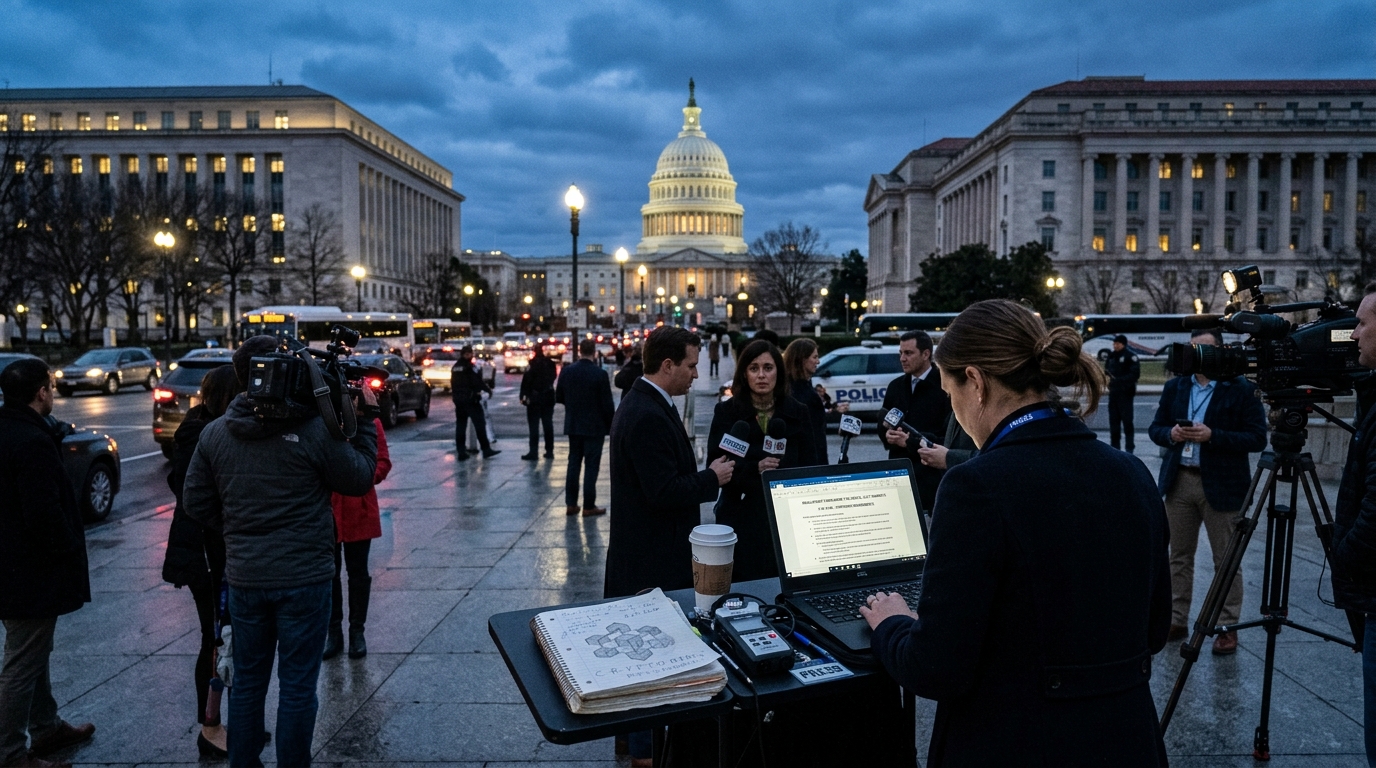
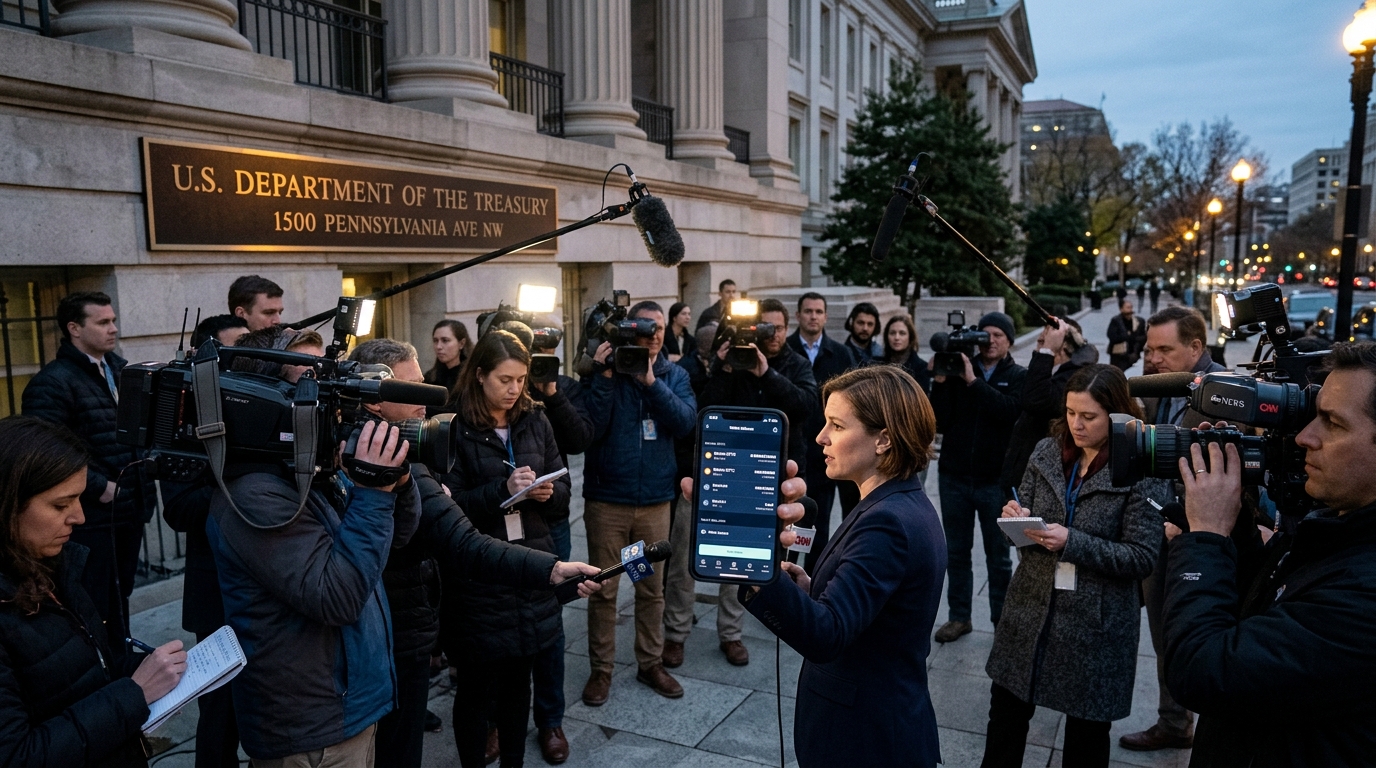
A new legal clash over U.S. crypto regulation is taking shape after Cointelegraph reported that community banks are suing the Office of the Comptroller of the Currency over trust bank charters granted to crypto firms. The lawsuit points to a deeper issue for digital-asset markets: whether crypto-native companies should be allowed to operate with banking-style permissions that traditional lenders argue create an uneven playing field.
The headline stands out because it adds a fresh institutional angle to the crypto policy debate. Rather than focusing on token prices, exchange products or enforcement actions, this dispute centers on chartering authority and the structure of market access. That matters for investors because the legal treatment of crypto firms can influence custody, payments, compliance costs and ultimately the degree to which digital assets are integrated into mainstream finance.
Why the OCC lawsuit matters
The OCC has long been a critical gatekeeper in the U.S. banking system. If community banks are now challenging the trust charters of crypto firms, the case could become an important test of how far regulators can go in accommodating digital-asset businesses under existing banking frameworks.
According to Cointelegraph, the plaintiffs are community banks objecting to OCC trust bank charters issued to crypto firms. Based on the headline alone, the report does not specify the full legal arguments, nor does it name all parties in the dispute. But the significance is clear enough: traditional banks are pushing back against the regulatory path some crypto companies have used to gain legitimacy and operate within the financial system.
This story also intersects with another headline from Cointelegraph, which said Anchorage Digital, described as a $4.2 billion crypto bank, is cutting 17% of its workforce. While the layoffs report is separate and should not be treated as evidence about the lawsuit, taken together the two developments suggest crypto banking remains under both business and regulatory pressure in the United States.
A structural fight, not just a crypto headline
For markets, the importance of this lawsuit goes beyond the firms directly involved. The case could affect how regulators, banks and investors think about several core functions in digital assets:
- Custody: whether crypto firms can hold assets under banking-style supervision
- Payments and settlement: whether trust-chartered entities can build deeper links into financial infrastructure
- Competition: whether traditional banks face chartered crypto rivals with different regulatory economics
- Precedent: whether future applicants will find it easier or harder to obtain similar approvals
That makes this more than a niche legal dispute. If the challenge gains traction, it could slow institutional expansion by crypto firms seeking regulated status. If the OCC position is upheld, it may reinforce the idea that digital-asset companies can secure a more durable foothold inside the U.S. financial architecture.
Why this matters for crypto sentiment
MarketPro readers have shown strong interest in crypto stories when they connect policy to broader market structure. This lawsuit does that. It is not primarily about whether bitcoin or ether rises on a given day; it is about the rules of access, legitimacy and competition in the next phase of the sector.
At the same time, caution is warranted. A lawsuit can take time to resolve, and headlines alone do not tell investors how quickly the legal challenge may move or whether it will materially alter current operations for chartered crypto entities. The immediate market impact may therefore be more strategic than price-driven.
Still, the development reinforces a recurring theme in digital assets: even as the industry seeks mainstream integration, incumbent financial institutions are increasingly willing to contest the terms of that expansion.
Neutral outlook: The next key signals will be whether the OCC defends its chartering approach aggressively and whether the case evolves into a broader test of how U.S. banking law applies to crypto-native firms.
MarketPro reports are AI-assisted analyses of publicly reported market news. Not investment advice.