Crypto Policy Shifts as SEC Moves Ahead, Korea Sets Rules

Crypto markets are starting October with a policy-heavy backdrop as U.S. regulators continue moving on market access and South Korea pushes ahead with tokenized securities rules, even while broader political agreement remains elusive.
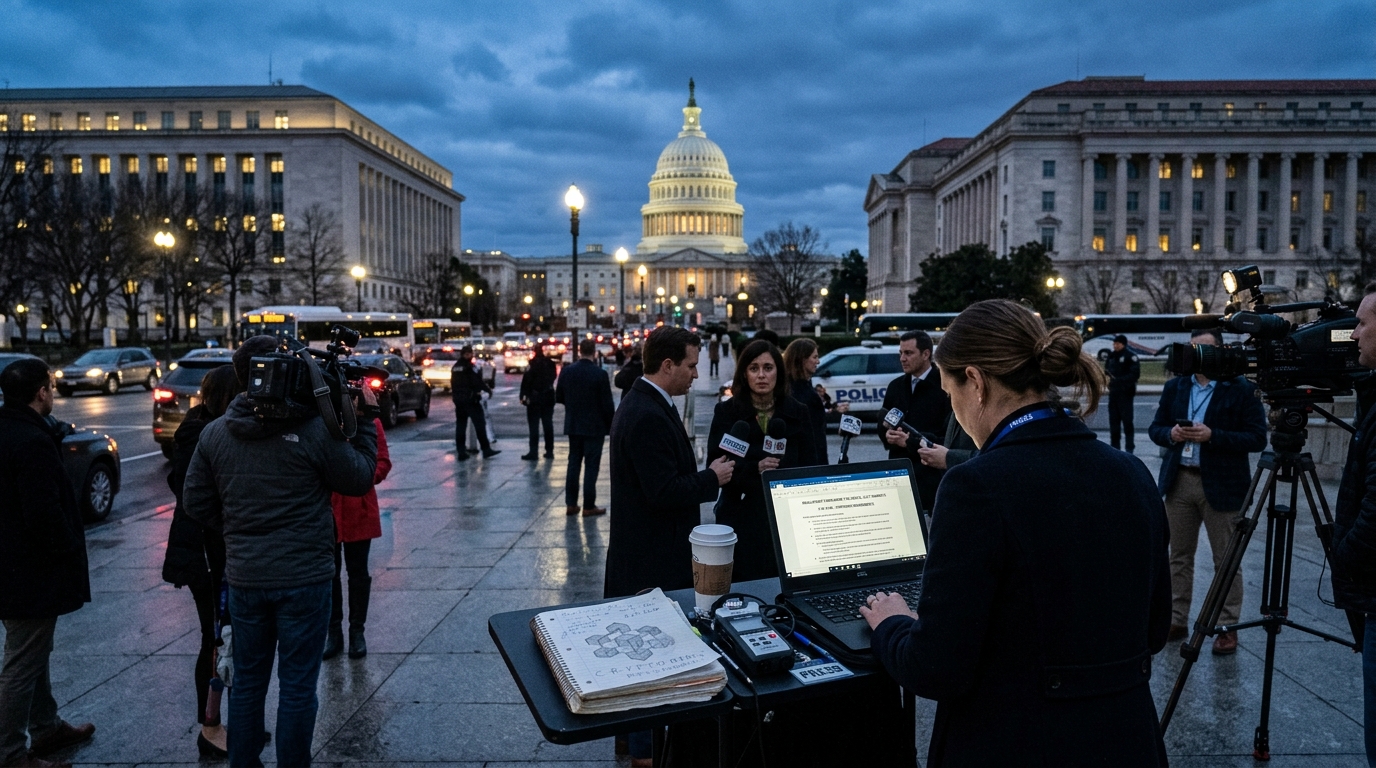
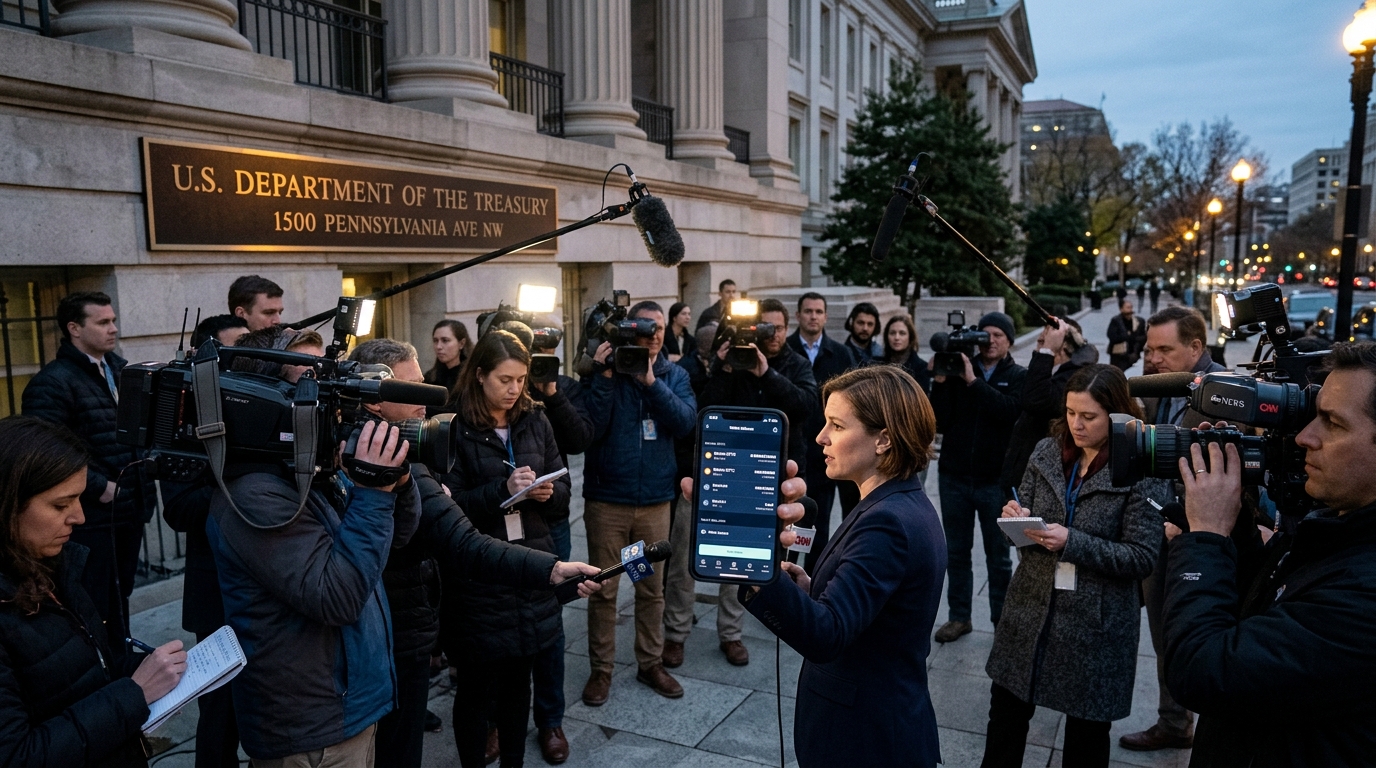
In Washington, the key split is between legislative delay and regulatory action. According to CNBC, a major U.S. crypto bill is stuck, while the Securities and Exchange Commission is pressing ahead anyway. That theme was reinforced by Cointelegraph, which reported that the SEC is moving to clear a custody hurdle for advisers offering crypto.
Taken together, those two reports suggest that crypto’s near-term operating environment may be shaped less by sweeping congressional reform and more by step-by-step agency decisions. For market participants, custody rules are especially significant because they affect how advisers and institutions can hold or offer digital assets within existing compliance frameworks.
Why custody matters
Custody has long been one of the central friction points in the institutional adoption of crypto. Even when investor demand exists, advisers and firms need clear operational standards around safekeeping, control and client protection. A move by the SEC to lower or clarify custody barriers, as reported by Cointelegraph, could therefore matter beyond the crypto-native sector.
That does not mean a broad policy breakthrough has arrived. CNBC said the larger crypto bill remains stuck, highlighting the gap between agency-level progress and comprehensive lawmaking. In practice, that can produce a patchwork market structure in which access improves in some areas while uncertainty remains in others.
South Korea advances market infrastructure
In Asia, regulatory development is also moving forward. Cointelegraph reported that South Korea is advancing tokenized securities rules ahead of a 2027 rollout. That is a notable sign of how policymakers are approaching digital assets not only as speculative instruments but also as part of future capital-market infrastructure.
Tokenized securities have drawn interest globally because they promise more programmable and potentially more efficient issuance, settlement and transfer processes. South Korea’s timetable indicates that officials are building toward a more formal framework rather than relying on temporary guidance alone.
At the same time, Cointelegraph reported that South Korean crypto exchange profits fell 78% in the first half amid a trading slump. That creates a two-speed picture: weaker current trading conditions, but continued institutional and regulatory investment in the market’s longer-term structure.
Flows are improving, but regulation is leading the narrative
There was also a constructive market signal in the background. Cointelegraph reported that Bitcoin ETFs opened October with $103 million in inflows. That indicates continuing investor interest in regulated crypto exposure and provides a useful counterpoint to the softer exchange-profit data out of South Korea.
Still, the stronger story for broad financial audiences is the policy shift itself. Investor flows can fluctuate daily, but changes to custody treatment and tokenization rules can influence how mainstream financial institutions participate over time. That is especially relevant after recent strong reader engagement with crypto oversight and market-structure coverage.
A gradual regulatory path is emerging
The day’s headlines point to an emerging pattern in crypto: legislation may lag, but regulators and market authorities are still building practical frameworks. In the United States, that means agency action can continue even without a flagship bill. In South Korea, it means preparing tokenized securities rules years ahead of launch.
Neither development removes all uncertainty. U.S. policy remains politically contested, and implementation details in Asia will matter. But both stories indicate that digital-asset regulation is becoming more operational and less theoretical.
Neutral outlook: crypto markets may remain sensitive to prices and flows in the short run, but today’s more durable signal is that regulators in major jurisdictions are continuing to shape custody, access and tokenized-market rules incrementally.
MarketPro reports are AI-assisted analyses of publicly reported market news. Not investment advice.