Crypto Policy Shifts Gather Pace From Seoul to Paris

Crypto markets are getting a fresh reminder that regulation can move prices and sentiment as much as flows do. A cluster of policy headlines from South Korea, France and the United States suggests the regulatory backdrop for digital assets is becoming more fluid just as traders assess the political consequences of the U.S. midterms.
According to Cointelegraph, South Korea is seeking a fourth delay to its crypto tax, with a new target start date of 2029. In Europe, Cointelegraph also reported that France’s budget rejection has sidelined both a stablecoin tax proposal and wallet-reporting measures. Meanwhile in the United States, Cointelegraph said Democrats are targeting Trump and Big Tech after the midterm sweep, adding another layer of uncertainty for digital-asset policy and the platforms increasingly tied to the sector.
Why the South Korea delay matters
South Korea has long been one of the most active retail crypto markets, so another tax delay is notable even without immediate implementation details. A postponed tax regime can extend a period of policy ambiguity, which some traders may view as supportive for local activity in the short run. But repeated delays can also signal that lawmakers and regulators are still struggling to settle on a durable framework.
For global investors, this is less about one country’s tax calendar and more about what it says regarding the maturity of crypto oversight. Large markets still appear to be negotiating basic questions about taxation, reporting and investor treatment. That leaves the industry operating under rules that can shift abruptly with political timing.
France shows how broader politics can reshape crypto rules
The French case underlines another reality: crypto regulation does not always move on a crypto timetable. According to Cointelegraph, the rejection of the budget sidelined planned stablecoin tax and wallet-reporting measures. In other words, digital-asset policy can be delayed not because the sector changed, but because wider political or fiscal events intervened.
That is an important signal for companies building in Europe. Stablecoin rules and wallet reporting are central issues for exchanges, payment firms and compliance teams. Even a delay can matter because businesses need to plan for licensing, reporting systems and customer disclosures well in advance.
The French development also highlights the uneven pace of crypto policymaking across jurisdictions. Some governments are tightening oversight, others are postponing it, and still others are revisiting tax treatment altogether. For a global market, that patchwork remains one of the sector’s defining features.
U.S. politics adds another source of uncertainty
In the United States, post-midterm politics may increasingly shape how digital assets are discussed in Washington. Cointelegraph reported that Democrats are turning attention toward Trump and Big Tech after their sweep. While that headline is broader than crypto alone, it matters because digital assets, payments infrastructure, stablecoins and AI-linked financial technology often sit inside larger debates about market power, consumer protection and national security.
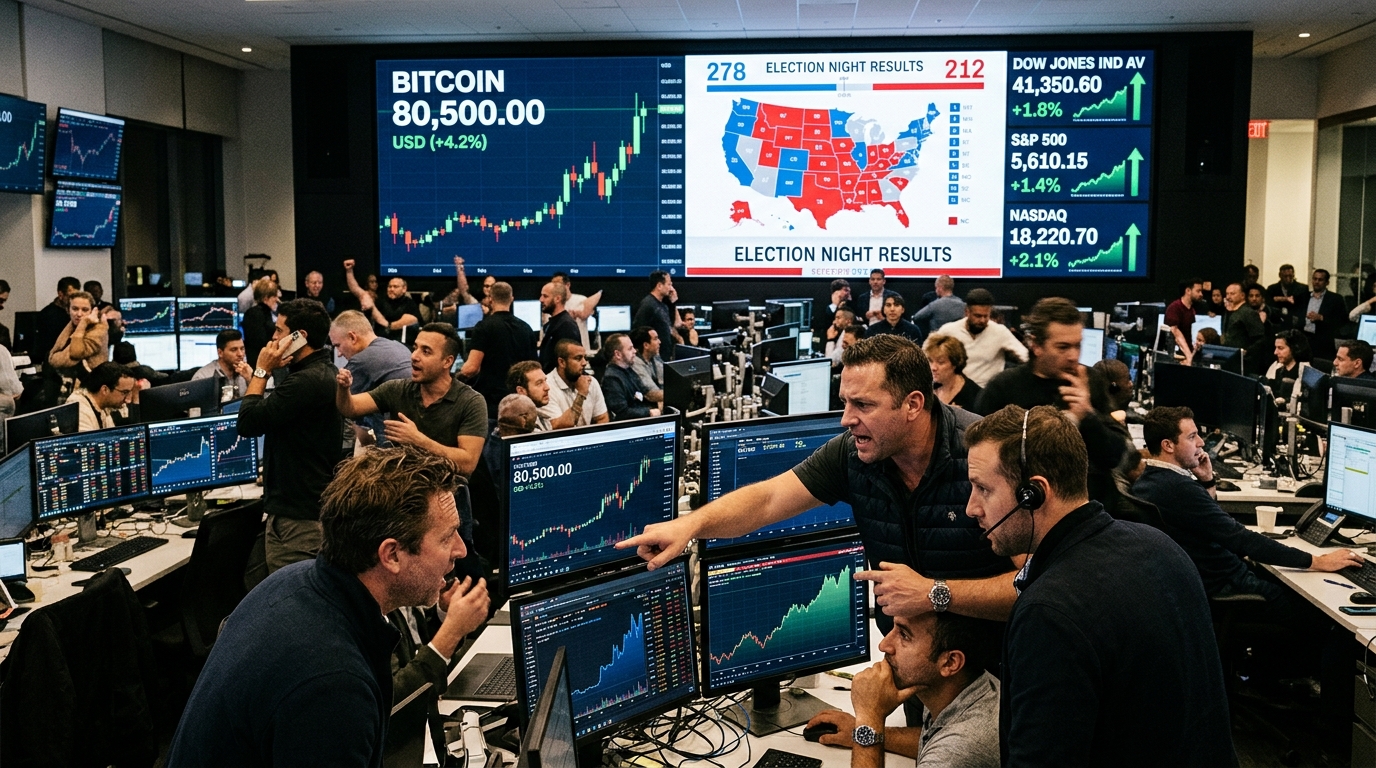
At the same time, markets are still watching flows. Cointelegraph reported that Bitcoin and Ether ETFs drew $128 million as crypto rebounded after the midterms. That means investors are balancing two forces at once: improving near-term price action and a regulatory environment that remains highly changeable.
Security concerns add to that pressure. Investing.com reported that the Binance hack prompted U.S. regulators to check in on bank systems, according to sources. That suggests crypto incidents can spill over into mainstream financial oversight, broadening the range of agencies and institutions paying attention to the sector.
What the policy cluster is telling the market
- South Korea: another crypto tax delay would push implementation further out, according to Cointelegraph.
- France: budget politics have sidelined stablecoin tax and wallet-reporting plans, according to Cointelegraph.
- United States: the post-midterm political agenda may reshape scrutiny of tech and adjacent digital-asset issues, according to Cointelegraph.
- Broader oversight: crypto security incidents are still drawing attention from traditional regulators, according to Investing.com.
The bigger takeaway is that crypto’s next phase is still being written as much by legislatures and regulators as by market demand. Delays can help sentiment temporarily, but they also prolong uncertainty around the rules of the road.
Neutral outlook: Policy momentum in crypto remains uneven rather than uniformly restrictive or supportive, and investors will likely keep tracking where delays become lawmaking and where security concerns trigger broader supervision.
MarketPro reports are AI-assisted analyses of publicly reported market news. Not investment advice.