Europe diesel release puts fuel squeeze back in focus
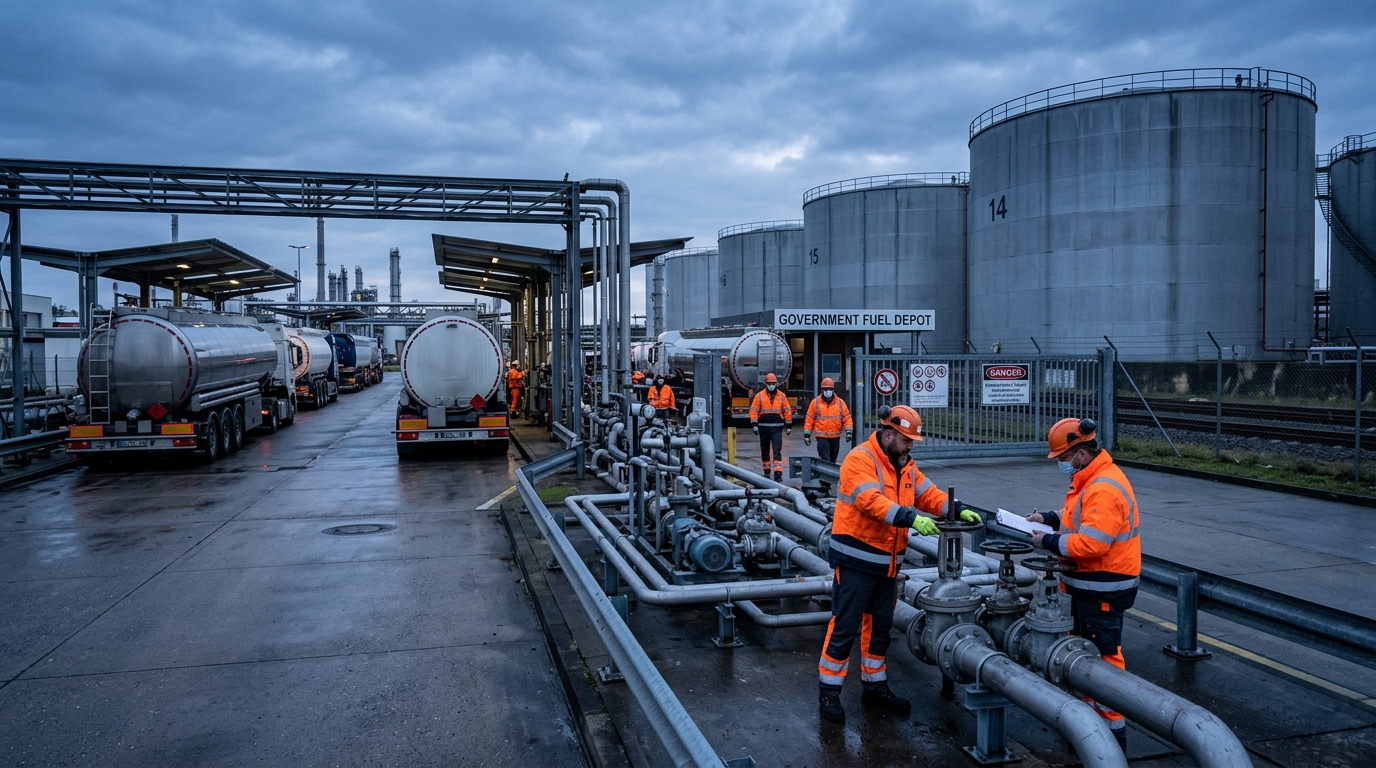
European governments are moving to release diesel from stockpiles as fuel supplies tighten, a development that puts middle-distillate markets back at the center of the global macro picture. CNBC reported that G7 nations are set to release diesel stocks as wars in Europe and the Middle East constrain fuel supplies, while a MarketWatch report said Europe’s leaders are rushing to release diesel from stockpiles as a fuel shock hangs over U.S. politics and consumer costs.
The two reports point to the same underlying issue: diesel is once again becoming a pressure point for energy markets, with implications well beyond the refining sector. Diesel is essential for freight, agriculture, construction and industry, so disruptions in its supply chain can ripple quickly into transport costs, retail prices and inflation-sensitive market expectations.
Why diesel matters more than headline oil prices
Oil benchmarks often dominate attention, but diesel shortages can produce a different and more immediate economic signal. Unlike crude, diesel directly affects trucking fleets, shipping logistics and industrial activity. When inventories tighten, end users often feel the impact faster through higher operating costs.
According to CNBC and MarketWatch, the latest stock release reflects supply pressure linked to ongoing conflicts in Europe and the Middle East. That matters because diesel markets are especially vulnerable to disruptions in refinery output, shipping routes and regional trade flows. Even if crude supply remains available, refining bottlenecks or dislocated cargo movements can still leave diesel markets undersupplied.
For markets, that distinction is important. A diesel squeeze can keep pressure on inflation even when broader commodity benchmarks appear relatively stable. It can also complicate central-bank thinking by reinforcing energy-driven price risks without necessarily signaling stronger economic demand.
What stockpile releases can — and cannot — do
Strategic or emergency product releases can help smooth a short-term mismatch between supply and demand. They may reduce the immediate risk of a sharp price spike, reassure wholesalers and buyers, and buy time for refiners or importers to rebalance flows.
But stockpile releases are not a permanent fix. They address availability in the near term rather than the structural causes of tightness. If supply disruptions persist, or if seasonal demand rises further, markets may soon return to the same concern once the released volumes are absorbed.
That is why the policy signal matters as much as the physical barrels. By tapping inventories, authorities are effectively acknowledging that normal market adjustments may not be enough to prevent broader economic fallout.
Broader market impact
The significance of diesel extends across asset classes. Transport-heavy sectors, industrial companies and consumer-facing businesses can all be affected if fuel costs stay elevated. In bond markets, persistent energy pressure can cloud the inflation outlook. In currencies, large energy-importing economies can face renewed terms-of-trade pressure if refined-product costs climb.
There is also a political dimension. MarketWatch’s framing underscores the sensitivity of fuel prices for households and governments alike. Diesel may be a wholesale product, but its effects can feed into food distribution, delivery costs and public sentiment, particularly when broader inflation fatigue remains high.
For investors and economists, the latest move is therefore less about a one-off administrative action and more about what it reveals: energy security concerns are still active, and refined-product markets remain exposed to geopolitical shocks.
What to watch next
- Inventory trends: Whether released stock meaningfully eases regional diesel tightness.
- Refinery response: Any sign that refiners can lift middle-distillate output.
- Freight and transport costs: Early indicators of pass-through into the real economy.
- Policy coordination: Whether additional G7 or national measures follow.
According to CNBC and MarketWatch reports, policymakers are acting because supply strains are no longer theoretical. The release of diesel stockpiles suggests that governments see a real risk of transmission from geopolitics into fuel costs and, potentially, into inflation and growth expectations.
Neutral outlook: The stock release may calm the market temporarily, but diesel remains a key vulnerability as long as conflict-related supply disruptions continue.
MarketPro reports are AI-assisted analyses of publicly reported market news. Not investment advice.