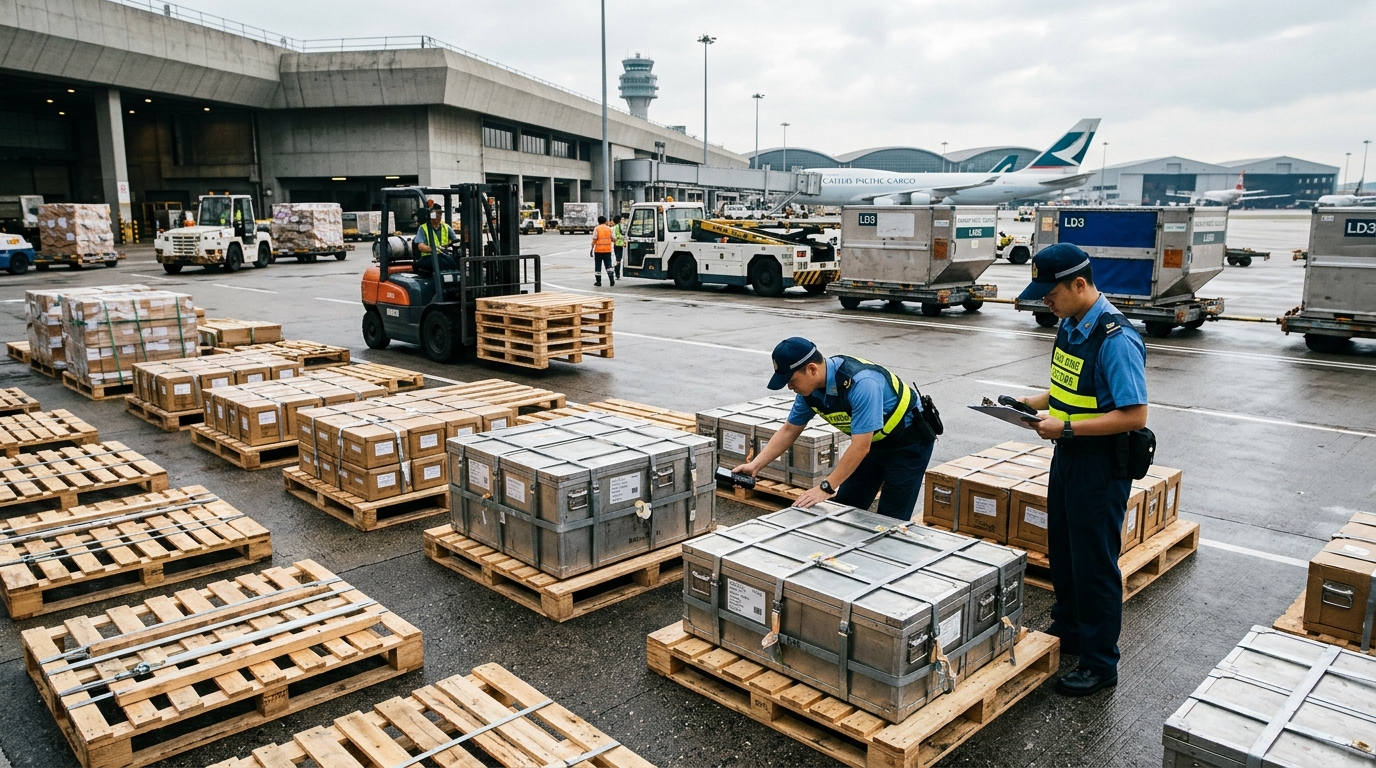
G7 diesel stock release puts fuel supply back in focus
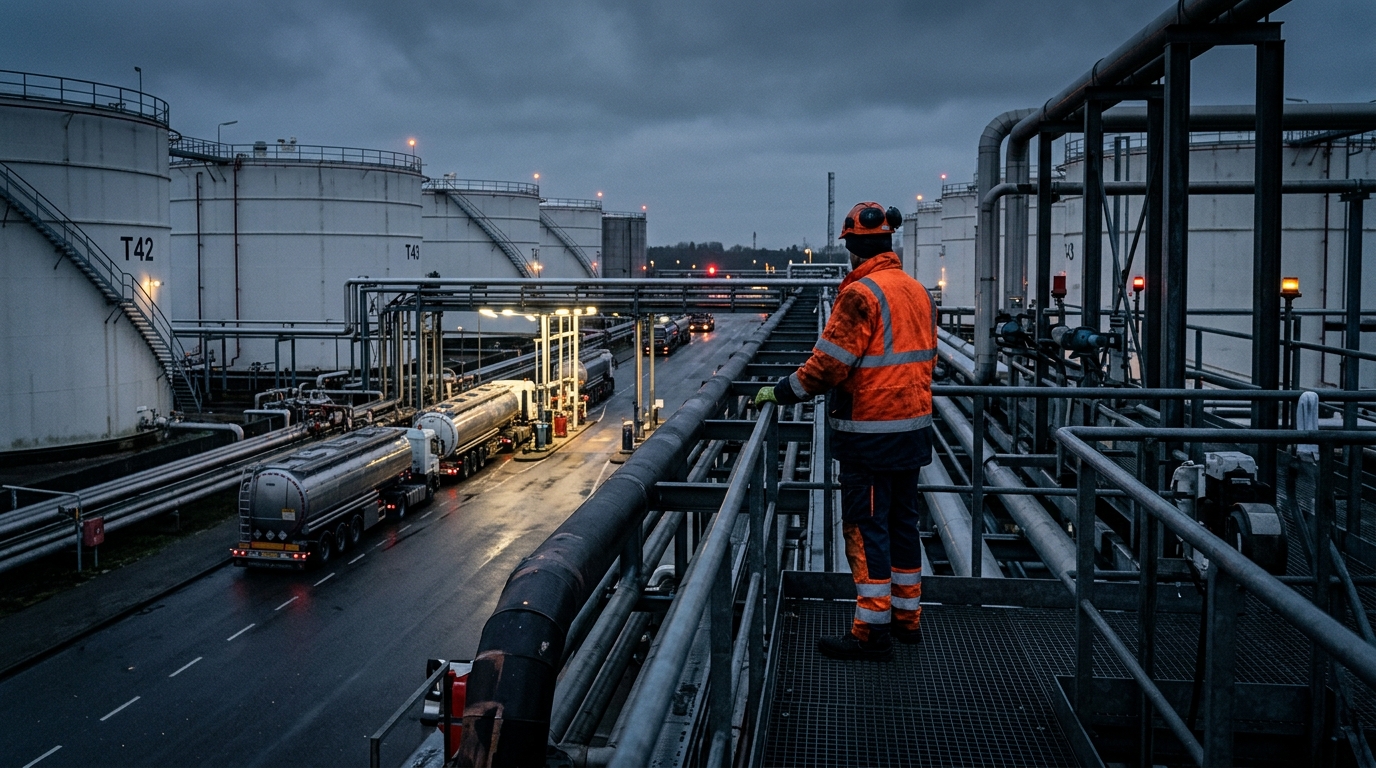
Governments in major advanced economies are preparing to release diesel from stockpiles as conflicts in Europe and the Middle East tighten fuel supply conditions, according to CNBC and MarketWatch reports. The move puts refined-product markets back at the center of the macro conversation even as crude oil has drawn most of the recent attention.
Both outlets reported that G7 nations or European leaders are moving toward coordinated stockpile action to ease diesel shortages. While the headlines differ in framing, they point to the same market problem: diesel availability is under pressure at a time when geopolitical disruption is complicating fuel flows and raising the risk of another energy shock.
Why diesel matters beyond the oil price
Diesel is a key fuel for freight, agriculture, construction and parts of industry. That makes it especially important for inflation, supply chains and business costs. When diesel markets tighten, the impact can spread well beyond the energy sector, hitting transport companies first and then filtering into goods prices more broadly.
For markets, this matters because refined products do not always move in line with crude. A release of diesel stocks can help relieve immediate physical tightness even if the broader oil market remains nervous. In other words, policymakers appear to be responding to a bottleneck in usable fuel supply rather than simply to the headline level of crude prices.
What the coordinated response signals
According to CNBC, wars in Europe and the Middle East are constraining fuel supplies. MarketWatch similarly said European leaders were rushing to release diesel from stockpiles as a fuel shock hangs over political and economic sentiment. Taken together, the reports suggest officials are concerned that disruption to product markets could become economically damaging if left unaddressed.
A coordinated release also carries a signaling function. It tells traders, refiners and fuel buyers that governments are willing to use emergency inventories to smooth supply. That can matter nearly as much as the barrels themselves if it reduces panic buying or discourages hoarding.
Still, stock releases are usually a temporary tool. They can cushion short-term dislocations, but they do not by themselves create new refining capacity or remove geopolitical risk. If transport routes remain disrupted or if regional demand stays firm, diesel markets could remain sensitive even after official inventories are tapped.
Broader market implications
The diesel decision is relevant across several asset classes:
- Commodities: Refined-product spreads and distillate pricing could become a bigger focus than benchmark crude alone.
- Economy: Lower diesel stress could modestly ease pressure on shipping and operating costs.
- Stocks: Transport, logistics and industrial companies are often among the first to feel diesel price swings.
- Forex: Energy-importing economies can be vulnerable when fuel costs rise sharply.
This is one reason diesel headlines can carry outsized importance. Investors often watch oil benchmarks, but stress in middle distillates can provide a clearer read on real-economy strain.
Why this story fits current reader interest
Recent reader engagement has been strongest on macro stories linking energy, rates and cross-asset moves. This development fits that pattern because it is not only an energy story; it is also a policy transmission story. A diesel release is a direct intervention meant to contain the knock-on effects of war-driven supply shocks on inflation and growth.
It also arrives after heavy market focus on crude price volatility. The shift from watching oil futures to watching diesel availability may become more important if supply-chain concerns deepen.
What to watch next
The next questions are whether the stock release is broad and coordinated enough to calm physical fuel markets, and whether supply disruptions show signs of easing. For now, according to CNBC and MarketWatch reports, policymakers are signaling that diesel tightness has become serious enough to warrant intervention. The neutral outlook is that the move may reduce immediate stress, but longer-lasting relief will likely depend on how the underlying geopolitical supply constraints evolve.
MarketPro reports are AI-assisted analyses of publicly reported market news. Not investment advice.