Global Markets Daily Brief — October 19, 2026
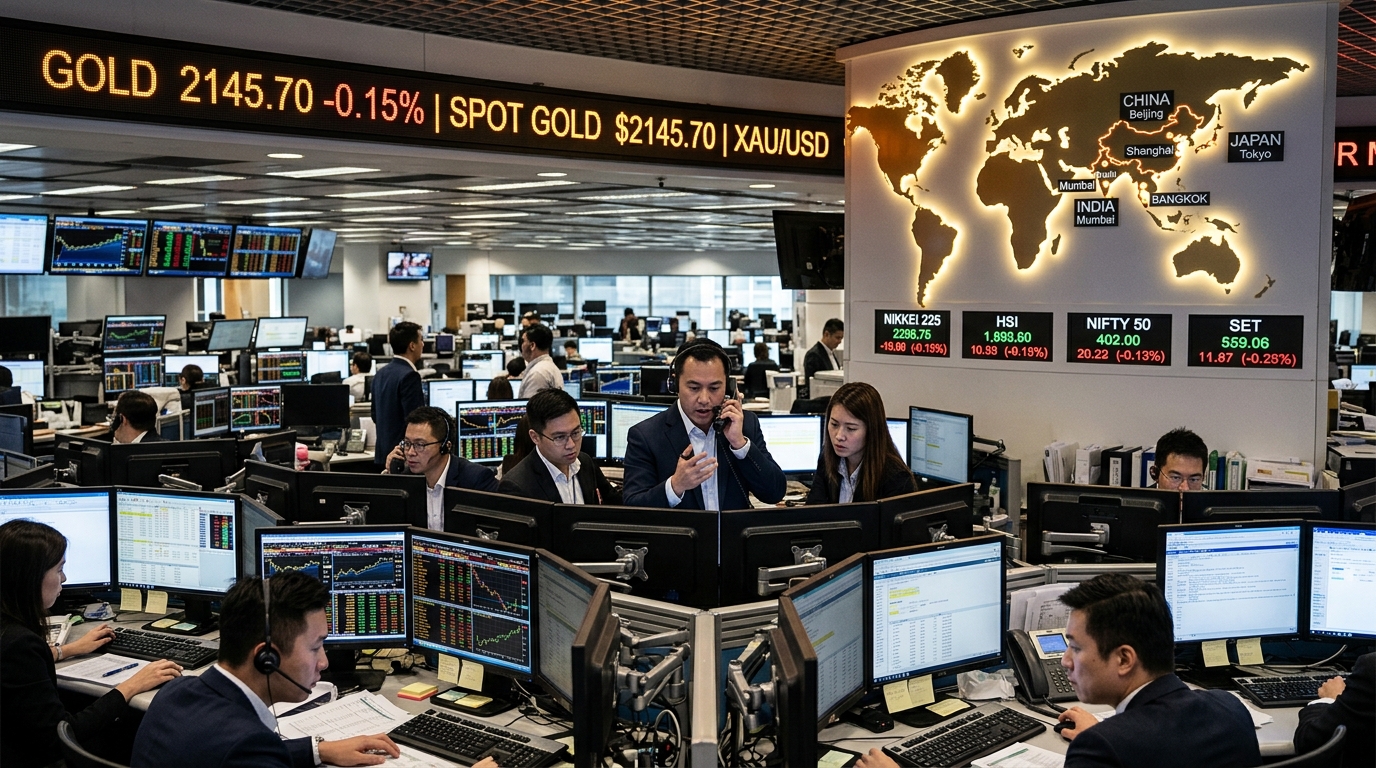
Global markets opened the week with investors navigating a mix of softer equity sentiment in Asia, fresh policy signals from central banks and governments, and another round of operational stress in parts of the crypto market.
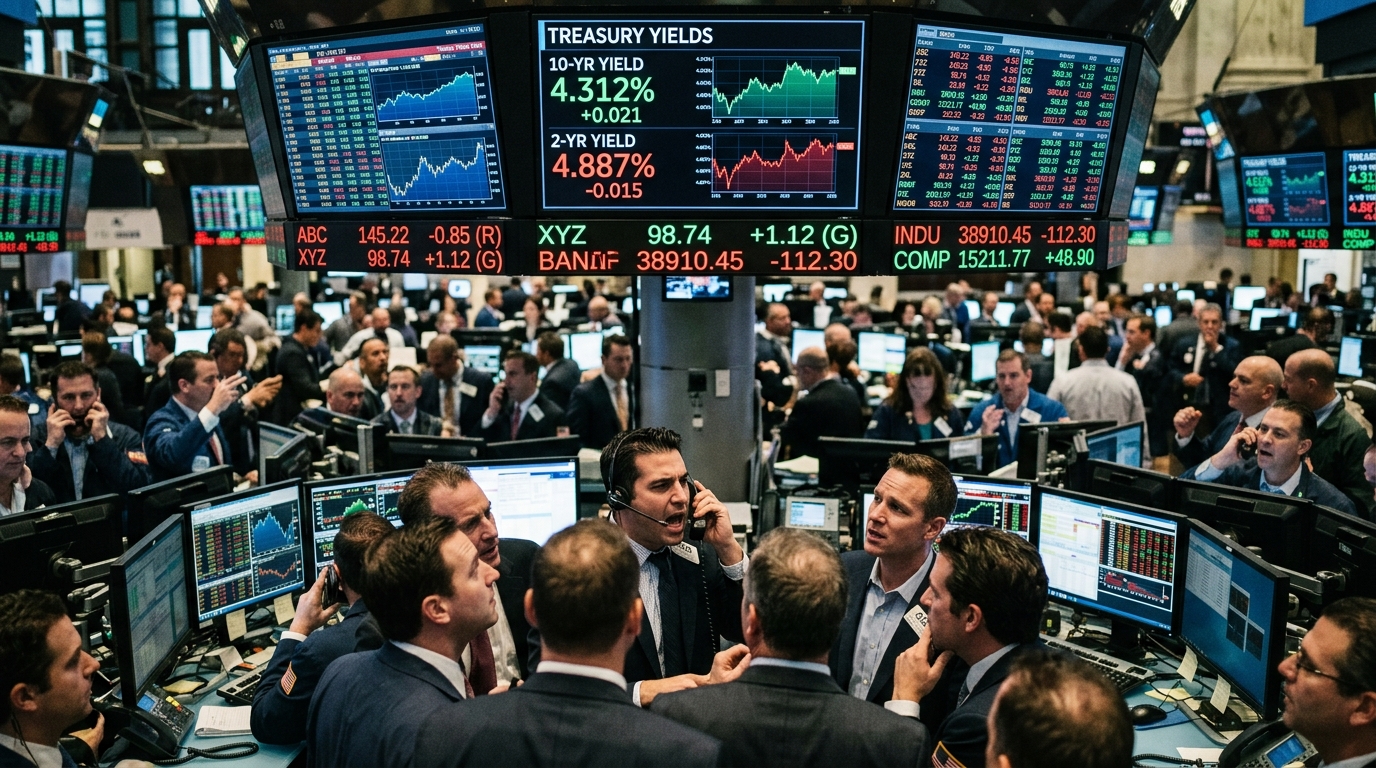
According to an Investing.com report, Asian stocks skidded while Wall Street and bonds found some support from easing oil prices. That points to a market still trading on cross-asset relationships: lower energy prices can ease inflation pressure, while bonds remain highly sensitive to any sign that rate expectations might be moderating.
Gold also moved higher. Investing.com reported that bullion rose as remarks attributed to Kevin Warsh helped curb bets on further Federal Reserve tightening. While the headline does not provide detailed pricing, the move suggests investors are still treating gold as a hedge when rate expectations become less aggressive or when broader risk sentiment softens.
Asia policy and growth signals stay in focus
Japan remained a key macro watchpoint. According to Investing.com, the International Monetary Fund said the Bank of Japan may need to tighten faster if inflation exceeds its forecast. That matters beyond Japan because any shift in BOJ policy can ripple through global bond markets, funding conditions and currency trading, especially after years in which Japanese rates stayed exceptionally low.
India also contributed to the day’s policy discussion. CNBC reported that India’s finance minister blamed easy exits and excess liquidity for the equity market’s underperformance. The framing is notable because it links market behavior not simply to earnings or growth, but to the structure of flows and the ease with which capital can move in and out of risk assets.
In China-related developments, CNBC reported that U.S. officials pressed China on market access for Mastercard and Citigroup during bilateral talks in Bangkok. While this is primarily a diplomatic and regulatory story, market participants will read it through a financial-services lens, especially as cross-border access and licensing remain important for global banks and payments firms.
Crypto markets face another confidence test
Digital assets also saw headline risk. Cointelegraph reported that Qubic froze its chain after an attacker drained 1,400 wallets using weak seeds. In a separate incident, Cointelegraph said the Cysic crypto bridge was halted after an unauthorized mint of 10 million CYS.
These were project-specific events, but together they reinforce a wider theme for crypto markets: infrastructure and security remain central to investor confidence. That is especially relevant on days when traditional markets are already balancing policy uncertainty and changing liquidity conditions.
Why the broad market picture still looks mixed
There is no single dominant macro narrative in today’s headlines. Instead, the market backdrop is being shaped by several overlapping forces:
- Rates: BOJ expectations and shifting Fed hike bets remain influential.
- Risk sentiment: Weakness in Asian equities points to caution.
- Inflation hedges: Gold gained as rate expectations eased.
- Market structure: India’s comments on liquidity and exits highlight the importance of flows.
- Operational risk: Crypto security incidents continue to affect digital-asset sentiment.
For investors and corporate decision-makers, that mix matters because it does not support a simple risk-on or risk-off label. Some assets are benefiting from lower yields or softer oil, while others are being held back by structural concerns, policy uncertainty or governance issues.
Cross-asset signals to watch
The next phase for markets may depend on whether central-bank expectations become clearer and whether cross-border regulatory issues intensify. Japan’s inflation path, U.S.-China financial access talks, and the resilience of risk assets after fresh crypto disruptions are likely to stay in focus.
Neutral outlook: The near-term backdrop appears balanced between support from softer rate expectations and pressure from uneven risk appetite, policy uncertainty and market-structure concerns.
MarketPro reports are AI-assisted analyses of publicly reported market news. Not investment advice.