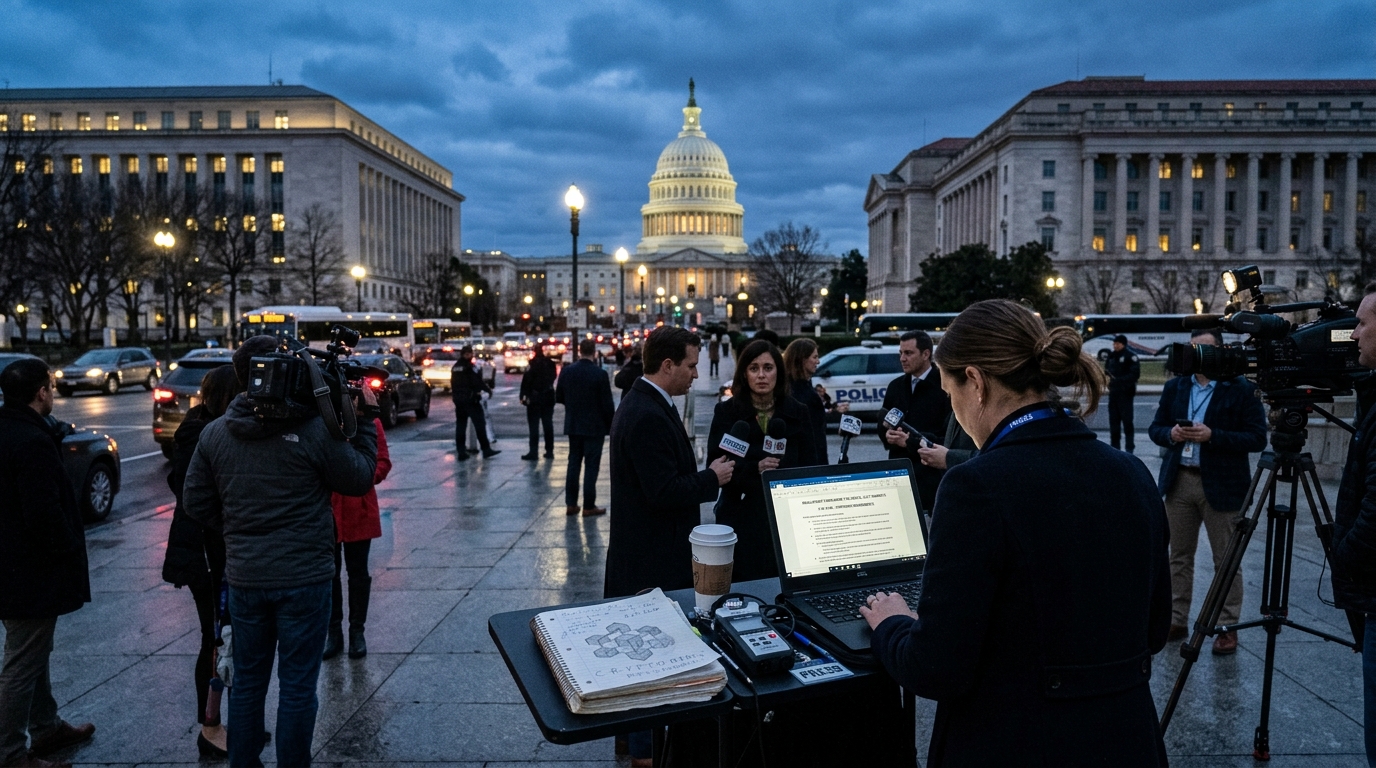
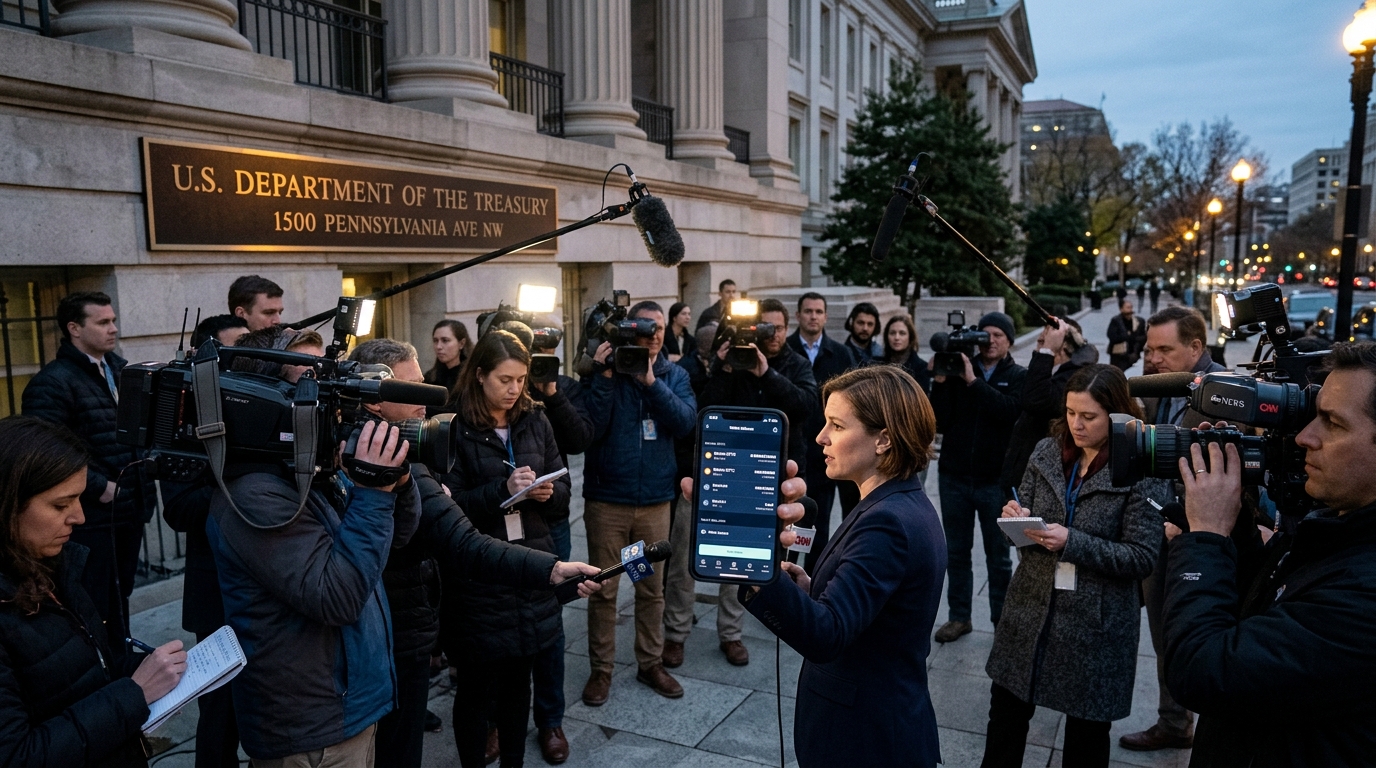
NY, Wyoming team up on crypto oversight as rules tighten
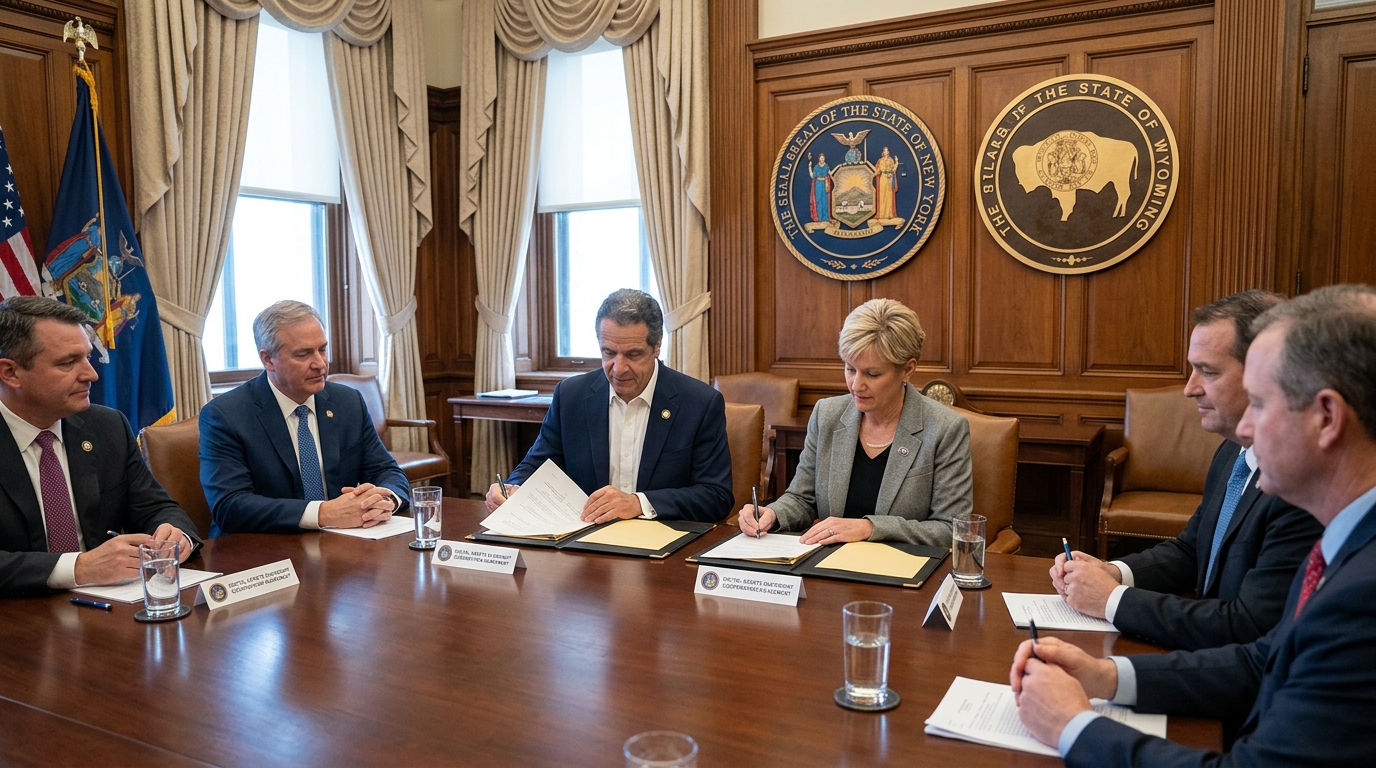
Crypto regulation in the U.S. is often discussed through the lens of Washington, but a new state-level development points to another important trend: closer coordination between local watchdogs. New York and Wyoming regulators have signed a pact to coordinate crypto oversight, according to Cointelegraph, in a move that could matter for exchanges, stablecoin firms and other digital-asset businesses operating across multiple jurisdictions.
The headline is notable because New York and Wyoming have come to symbolize two very different approaches to digital assets. New York is widely viewed as one of the most stringent crypto supervisory environments in the country, while Wyoming has spent years building a reputation as one of the most crypto-friendly U.S. states. A formal cooperation arrangement between regulators in those states suggests that oversight may be becoming more interconnected even when policy philosophies differ.
Why this matters for markets
For investors and companies, the significance is less about symbolism and more about operational risk. Crypto businesses rarely serve a single market. They often have users, custody functions, payments links or counterparties spanning several states. When regulators coordinate more closely, firms may face faster information-sharing, less room for regulatory arbitrage and potentially more pressure to standardize compliance practices.
That matters at a time when regulatory credibility has become central to the digital-asset story. According to Cointelegraph reports, the state-level pact lands amid wider scrutiny of crypto oversight in other markets, including a separate report that Binance’s EU services are facing scrutiny over a licensing exemption. While those are different jurisdictions and issues, both developments underscore the same broader theme: authorities are paying closer attention to how crypto firms operate across borders and legal frameworks.
A post-hack backdrop raises the stakes
The timing also matters because the industry is still dealing with persistent security failures. According to Cointelegraph, Bitget’s $388 million hack helped push third-quarter crypto security losses past $1 billion, while NEAR Intents also suffered a separate exploit. Those incidents are not directly tied to the New York-Wyoming agreement, but they help explain why regulators may be looking for tighter coordination. Oversight is not only about market conduct or licensing; it is increasingly connected to operational resilience, customer protection and incident response.
From that perspective, a cooperation pact can be read as part of a wider policy shift. Regulators are not simply debating whether crypto should be allowed to grow. They are also building mechanisms to supervise what happens when platforms expand quickly, offer overlapping services or suffer disruptions that affect users in more than one jurisdiction.
What businesses may watch next
Market participants will likely focus on a few practical questions:
- Will coordination lead to shared examination standards?
- Could licensing expectations become more aligned across states?
- Will enforcement referrals or supervisory data-sharing increase?
- How might this affect stablecoin issuers, custodians and exchanges with national footprints?
Even without immediate rule changes, closer coordination can reshape the compliance environment. Firms may have to assume that state regulators are communicating more frequently and comparing supervisory findings more systematically.
Why this is bigger than one state pact
The longer-term importance may be that crypto oversight in the U.S. is maturing through networks, not just headline legislation. Federal action still matters most for the broad legal framework, but state-to-state cooperation can influence how quickly standards spread in practice.
That is especially relevant for businesses that had hoped fragmentation among regulators would leave more flexibility. If states with very different crypto reputations are willing to work together, the industry may face a landscape that is still fragmented legally but more unified operationally.
According to Cointelegraph, the agreement centers on coordination rather than a single new restriction. Even so, markets may treat it as another sign that the compliance bar is rising, particularly after a period in which hacks, licensing disputes and stablecoin concerns have kept pressure on the sector.
Neutral outlook: The pact does not by itself rewrite U.S. crypto rules, but it points to a regulatory environment that may become more connected and harder for firms to navigate state by state in isolation.
MarketPro reports are AI-assisted analyses of publicly reported market news. Not investment advice.