Oil climbs above $100 as China export curbs tighten fuels
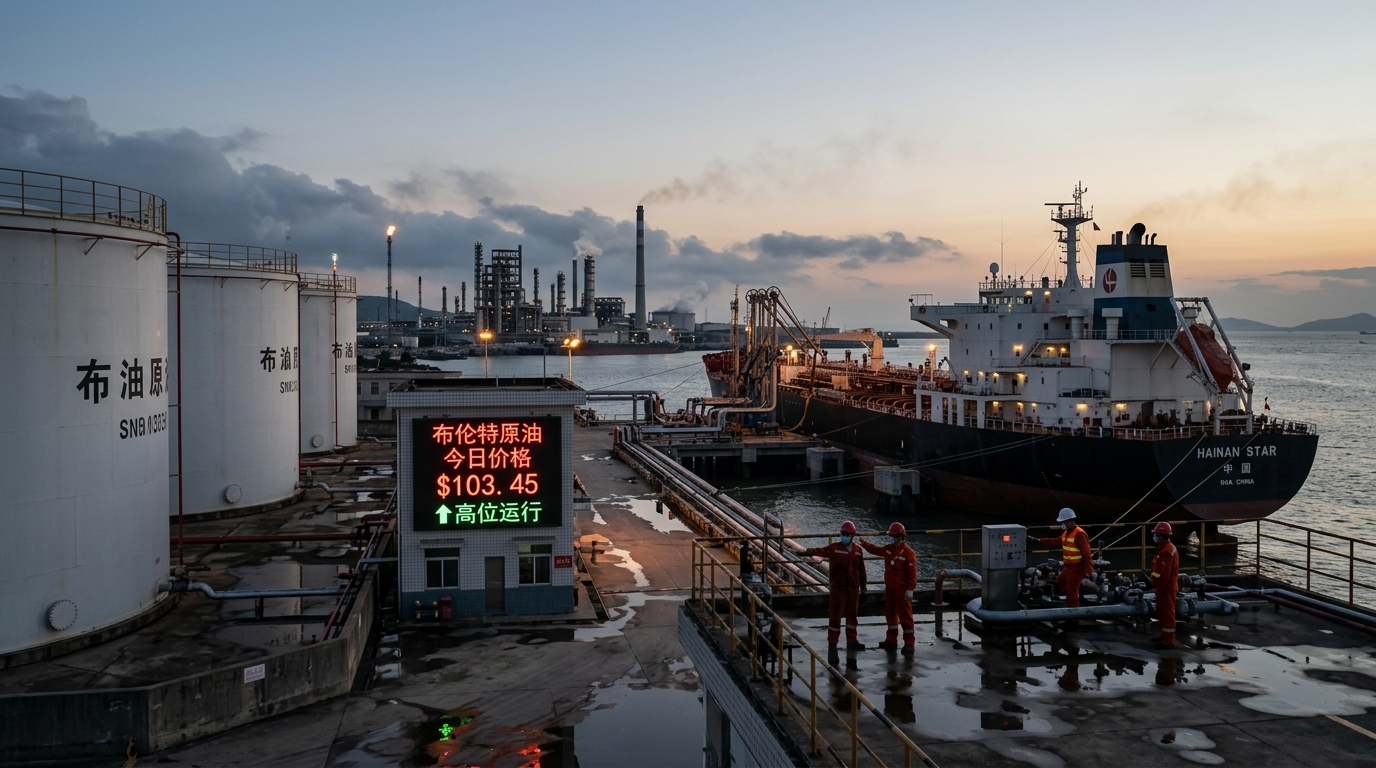
Oil returned to the center of global markets after Brent crude moved back above $100 a barrel, according to CNBC reports, as traders reacted to signs of tighter fuel availability and renewed policy uncertainty around exports.
The immediate trigger, according to CNBC, was a report that Chinese refiners had banned October fuel exports. That development matters beyond China’s domestic market because the country is a major supplier of refined products into Asia. If fewer cargoes of diesel and gasoline components leave China, the effect can ripple quickly through regional fuel balances and, in turn, into global crude pricing.
The move also landed as energy traders assessed comments from President Donald Trump about a possible U.S. diesel export ban. CNBC reported that Trump said he was “thinking about” such a step, while also acknowledging it could have a “negative impact” on gasoline. Even without a formal policy announcement, that kind of signal can affect expectations in a market already highly sensitive to supply disruptions.
Why fuel exports matter for crude prices
Crude oil and refined fuels do not always move for the same reasons, but they are tightly linked. Restrictions on the export of refined products can change refinery behavior, alter inventories and shift regional arbitrage flows. When traders anticipate tighter diesel or gasoline supply, they often reassess how much crude refiners may need and how much consumers will be willing to pay across the supply chain.
According to CNBC, the China export report sharpened concern that product markets are becoming constrained again just as Brent had already been testing higher levels. A return above $100 is notable not only as a price threshold but also because it feeds into inflation expectations, transport costs and corporate input pressures worldwide.
China’s role is especially important because export quotas and administrative guidance can materially change near-term fuel availability. Even when the underlying measure is not framed as a permanent policy shift, markets often react quickly because prompt supplies can tighten before alternative barrels arrive.
Policy risk is adding to market volatility
The latest price move is not just about one country. It reflects a broader theme in commodities this year: policy signals are moving markets almost as much as physical balances. CNBC’s reporting on Trump’s remarks about diesel exports added another layer of uncertainty for refiners, shippers and fuel buyers.
If export restrictions were to spread or even appear more plausible, market participants would have to price in a more fragmented energy trade. That can push up regional premiums, widen dislocations between crude grades and products, and make hedging more difficult for companies exposed to fuel costs.
For equity and macro investors, higher oil prices also matter because they can complicate the inflation outlook. Energy is a visible cost across freight, aviation, chemicals and manufacturing. A renewed oil rally can therefore affect not only commodity traders but also central-bank expectations and sector performance in broader markets.
What markets may watch next
From here, the key question is whether this move is driven mainly by short-term trade restrictions or by a deeper tightening in supply. Traders will likely focus on any official confirmation or clarification around Chinese export policy, as well as follow-through from U.S. officials on diesel exports.
They will also watch refining margins and product inventories for signs that the pressure is concentrated in fuels rather than crude itself. If refined-product tightness persists, crude could remain supported even if broader economic growth signals turn mixed.
- China: Any confirmation of October fuel-export limits could shape Asian product flows.
- United States: Further guidance on diesel export policy could affect Atlantic Basin fuel markets.
- Inflation impact: Sustained oil strength could keep energy costs elevated across transport and industry.
According to CNBC reports, the market is reacting to both supply tightness and policy uncertainty at once. The short neutral outlook is that oil will likely remain highly sensitive to export-policy headlines and refined-product availability in the near term.
MarketPro reports are AI-assisted analyses of publicly reported market news. Not investment advice.