Oil Flows Through Hormuz Recover, Fuel Trade Still Tight
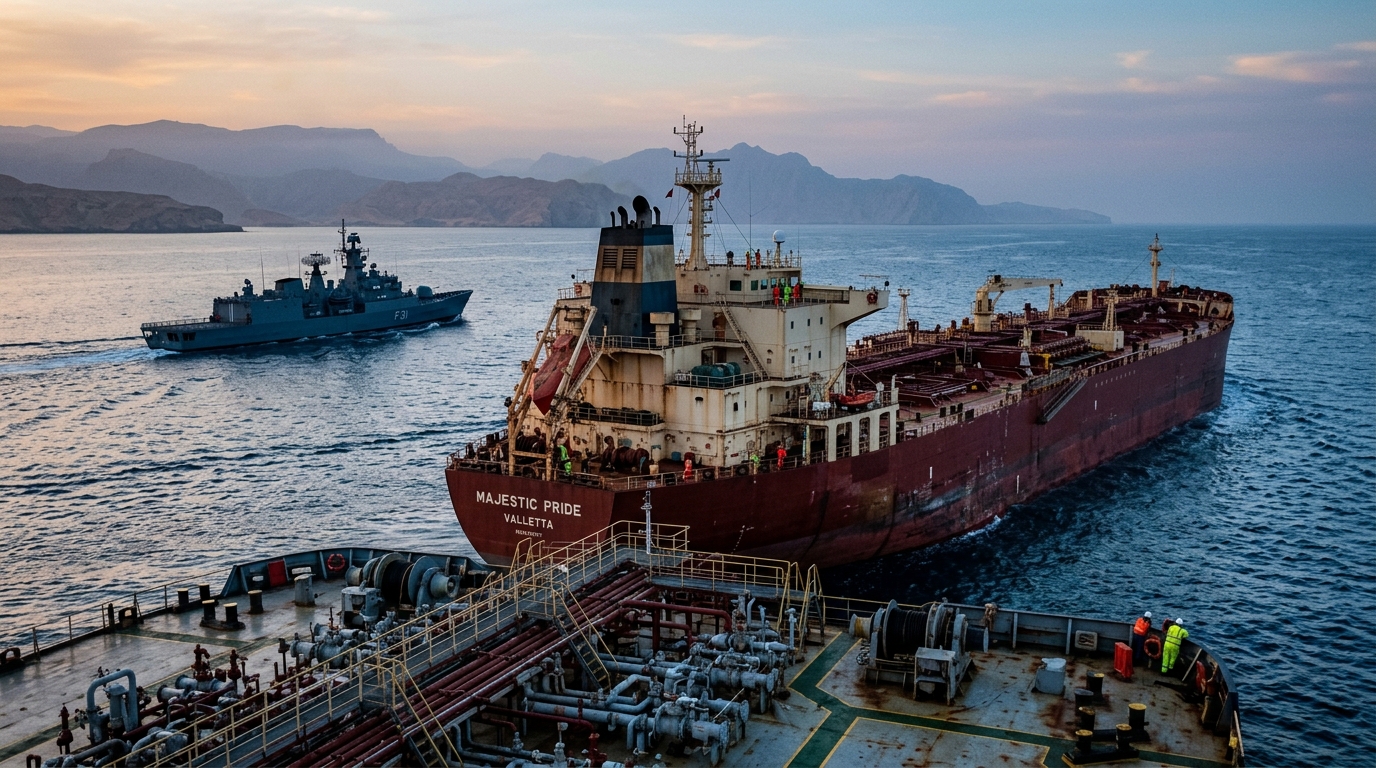
Crude oil exports moving through the Strait of Hormuz have returned to prewar levels, but fuel shipments are still constrained, according to a CNBC report. The split highlights an important distinction for energy markets: headline crude flows may look more resilient, while refined-product trade remains under pressure.
The Strait of Hormuz is one of the world’s most strategically important shipping chokepoints, linking Gulf producers to global buyers. When traffic through the passage is disrupted or perceived to be at risk, the effects can ripple across oil, shipping and inflation-sensitive markets. CNBC’s report suggests that crude traffic has largely normalized, but the recovery is not uniform across all energy cargoes.
Why crude recovery matters
The return of crude exports to prewar levels is a sign that a core artery of global energy supply is functioning more normally again. For oil-importing countries and large commodity consumers, that may ease some immediate concerns about severe supply interruptions.
Crude flows are closely watched because they directly influence refinery feedstock availability and broader supply expectations. If those shipments continue at prewar levels, that can reduce fears of a sustained physical shortage in benchmark oil markets.
Even so, a recovery in export volumes does not necessarily mean all stress has disappeared from the system. Shipping patterns, insurance costs, routing decisions and vessel availability can still affect delivered prices and trade efficiency even when aggregate crude movement improves.
Fuel shipments tell a different story
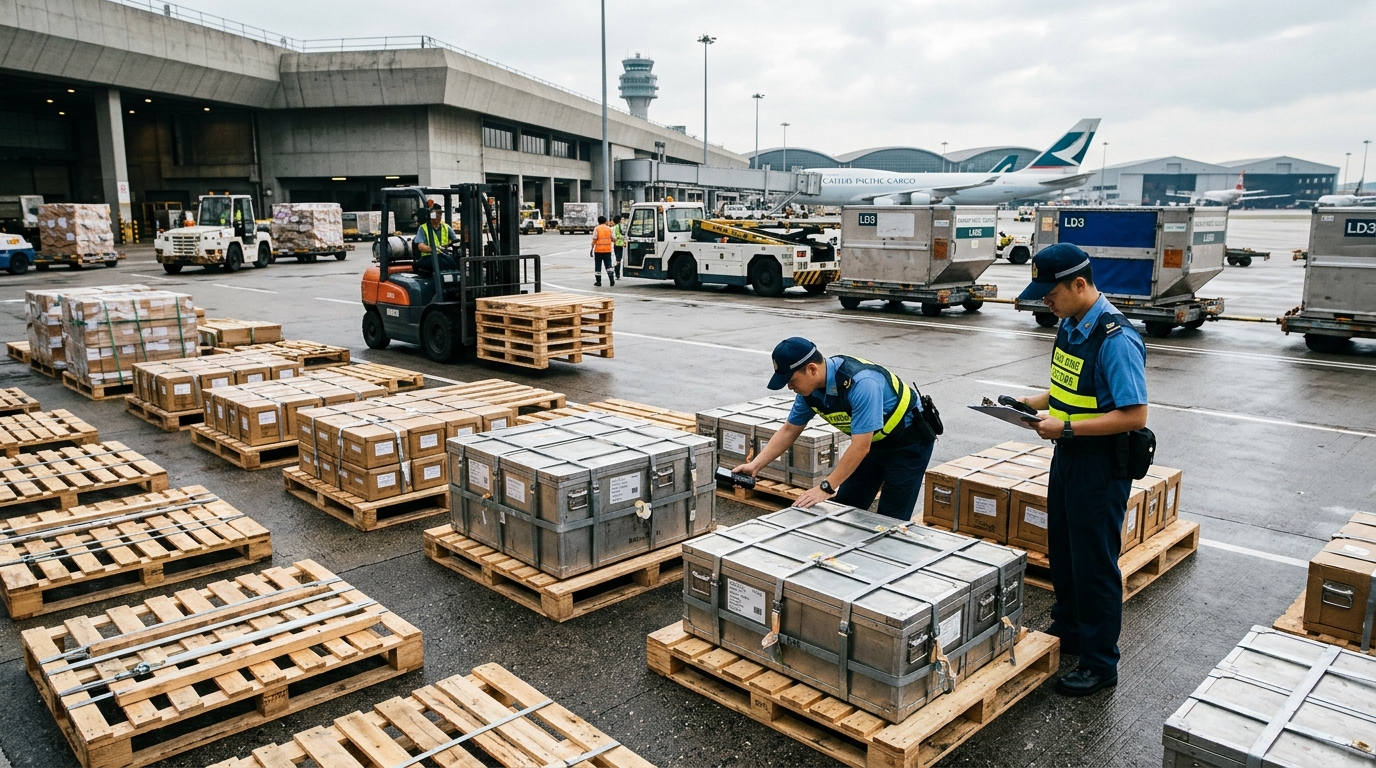
CNBC also reported that fuel shipments remain constrained. That distinction matters because refined products such as diesel, gasoline and other fuels are critical to downstream consumption and industrial activity. Constraints in those markets can keep regional supply chains tight even if raw crude is moving more freely.
In practical terms, the crude market and the fuels market can behave differently. Crude may reach refineries in larger volumes, while bottlenecks in refined-product transport or trade continue to limit availability elsewhere. That can affect freight economics, refinery margins and local price dynamics.
For market participants, this means the Strait of Hormuz story should not be reduced to a single binary conclusion of either “normal” or “disrupted.” The latest headline points instead to an uneven normalization process.
What traders and policymakers may watch next
The divergence between crude and fuel shipments could keep several issues in focus:
- Shipping conditions: Whether tanker operators maintain normal transit patterns for both crude and refined products.
- Insurance and security costs: These can remain elevated even after volume recovery.
- Refinery and downstream impacts: Tight fuel movement can feed through to regional pricing and supply balances.
- Broader inflation sensitivity: Fuel constraints can matter more directly to consumers and transport sectors than crude alone.
The energy market often reacts not only to outright supply losses but also to logistical frictions. A system can appear stable at the top level while still carrying stress in its lower layers.
Global market implications
This development is relevant beyond the oil patch. Energy shipping through Hormuz is tied to broader macro concerns including inflation expectations, trade reliability and risk sentiment. Stronger crude flows may reassure some investors that the worst-case disruption scenario has been avoided for now. But lingering constraints in fuel shipments suggest there is still enough friction to keep commodity markets alert.
That nuance matters in a period when global markets are already dealing with higher yields and tighter financial conditions. Any renewed shipping disruption in a major energy corridor could quickly reconnect with inflation and growth concerns.
At the same time, the current headline does not support broader conclusions about long-term supply trends or price direction. It only indicates that crude exports have recovered to prewar levels while fuel shipments remain constrained, according to CNBC.
An uneven return to normal
The main takeaway for global commodities markets is that normalization in the Gulf appears partial rather than complete. Core crude exports are showing resilience, but downstream trade still faces obstacles.
That leaves the market with a mixed signal: a major supply route is functioning better, yet some of the pressures that matter most for end-use fuel markets have not fully cleared.
Neutral outlook: Investors and policymakers will likely keep watching whether the rebound in crude traffic broadens into a more complete recovery for refined-product shipments across the region.
MarketPro reports are AI-assisted analyses of publicly reported market news. Not investment advice.