Oil Holds Firm as Tankers Keep Moving Through Hormuz
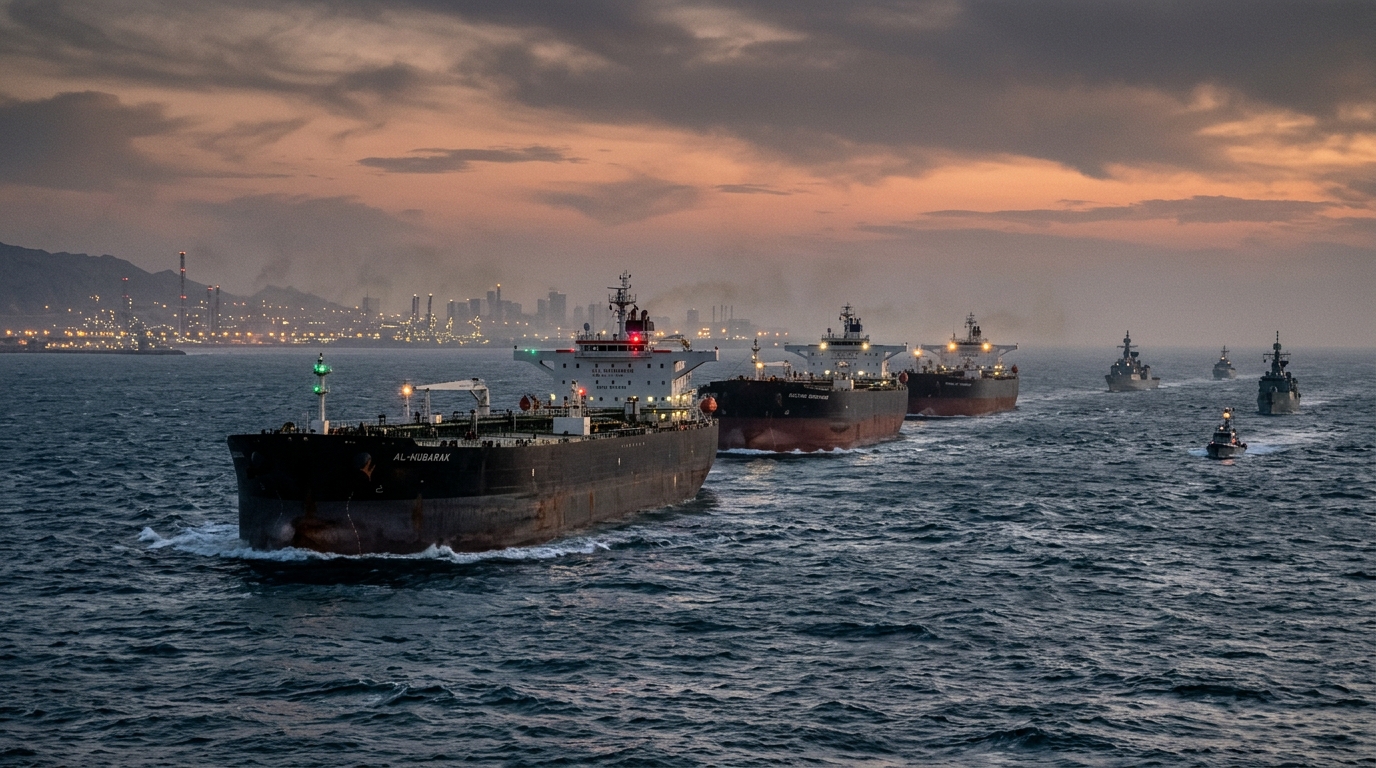
Oil markets are again being driven by geopolitics and transport risk after CNBC reported that tankers continue moving crude through the Strait of Hormuz despite a sharp escalation in Iranian attacks. The resilience of physical flows matters because the waterway remains one of the world’s most critical energy chokepoints, and any threat to its operation can quickly affect crude prices, freight costs and inflation expectations.
The report is reinforced by Investing.com, which said oil prices are on track for a fourth straight monthly gain as a tanker attack highlights supply risks. Together, the two reports support a clear market narrative: traders are attaching a risk premium to oil because supply is still moving, but under visibly higher security stress.
Why Hormuz matters so much
The Strait of Hormuz is central to global crude and fuel trade. When shipping continues despite military or security escalation, the immediate market impact is often more nuanced than a simple supply shutdown story. Physical barrels may still arrive, but the cost and risk of moving them can rise sharply. That can feed into higher freight rates, insurance costs and volatility in spot pricing.
From a market-structure perspective, this is exactly the kind of development investors watch closely: not only whether supply is disrupted, but whether the system is becoming more fragile. A route can remain open while still becoming more expensive and more vulnerable to sudden interruption.
Resilient flows, but not normal conditions
According to the CNBC report, tankers are defying the latest escalation and continuing to move crude. That suggests the market has not yet entered a worst-case supply shock scenario. However, continued transit should not be confused with the absence of risk. In energy markets, prices often respond not just to actual outages but to the probability of one.
Investing.com’s report that oil is heading for a fourth consecutive monthly rise helps confirm that investors are already pricing in some level of geopolitical tension. This is important for broader markets because sustained oil strength can ripple outward, affecting transport costs, producer margins, inflation expectations and central-bank thinking.
Winners, risks and spillovers
The gains in energy prices are also showing up in equities. CNBC separately reported that Chevron and Exxon hit all-time highs as refining profits soared in reaction to the Iran and Ukraine wars. While that specific stock move is distinct from shipping through Hormuz, it fits the same broader pattern: when geopolitical risk supports crude and product margins, large integrated energy companies can benefit.
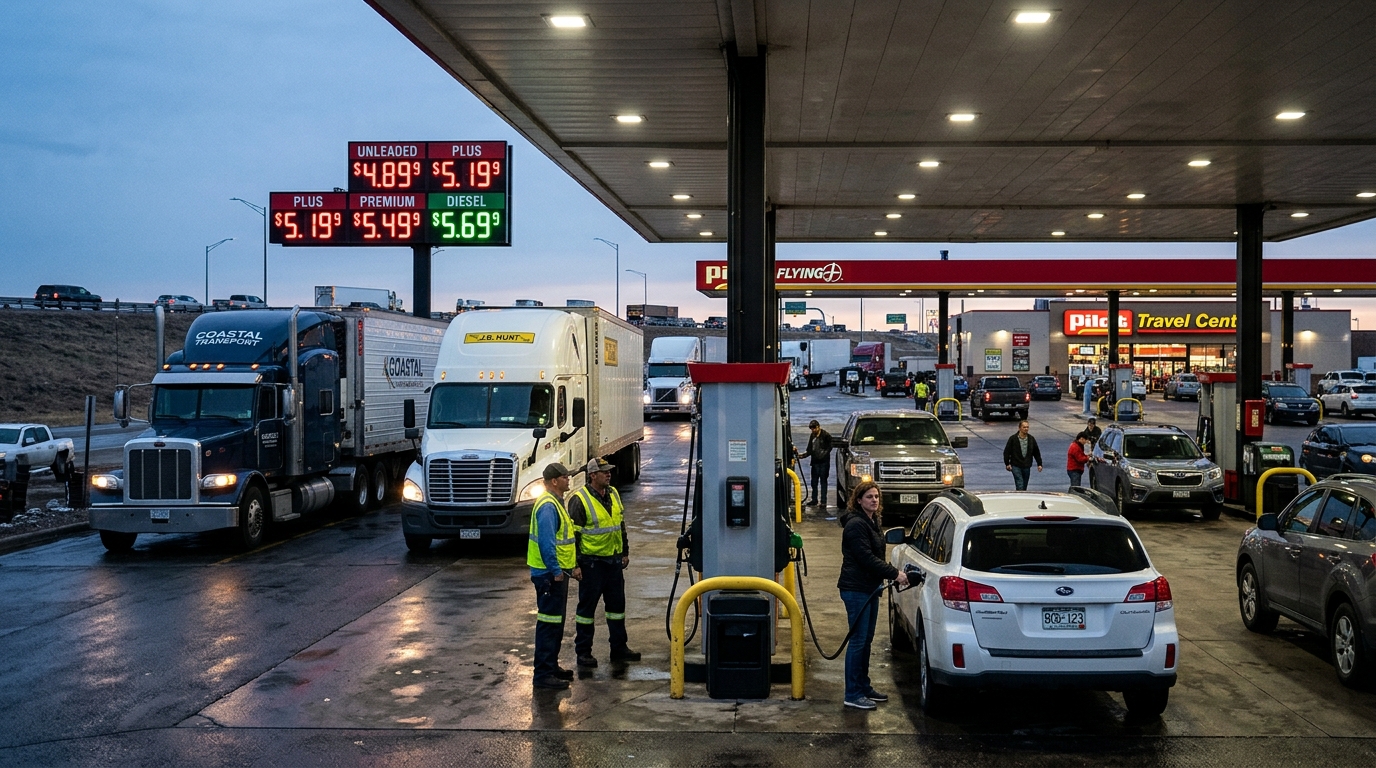
At the same time, higher oil prices can be less welcome elsewhere in the economy. Energy is a major input cost, and prolonged strength in crude can complicate inflation trends. If fuel and transport costs remain elevated, policymakers may have one more reason to stay cautious about declaring victory over price pressures.
What the market is watching now
- Physical transit: Whether tankers continue moving through Hormuz without major interruption.
- Shipping costs: Security concerns can lift freight and insurance expenses even if exports continue.
- Crude risk premium: Prices may stay supported as long as disruption risk remains elevated.
- Inflation spillovers: Stronger oil can affect broader price expectations and policy debates.
The key takeaway from the CNBC and Investing.com reports is that oil markets are not reacting to a complete closure of supply routes, but to the increased fragility of a route that remains indispensable to global energy trade. That distinction helps explain why prices can rise even while barrels keep flowing.
Neutral outlook: As long as tanker traffic continues, the market may avoid a full supply panic, but persistent security risks in the Gulf are likely to keep a geopolitical premium embedded in oil prices.
MarketPro reports are AI-assisted analyses of publicly reported market news. Not investment advice.