OPEC+ Steady Output Stance Keeps Oil Inflation in View

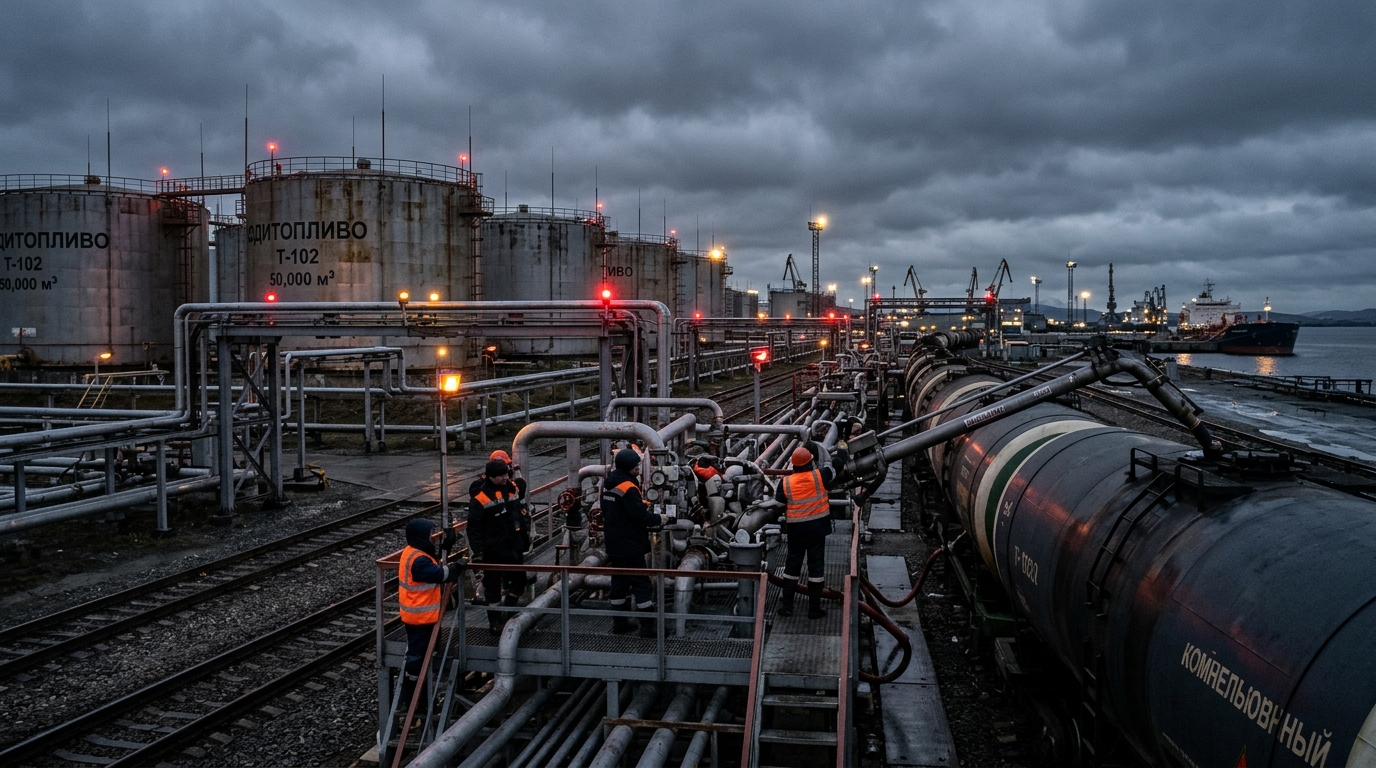
OPEC+ is set to keep December oil output steady, according to an Investing.com headline citing Reuters. While the report is brief, the market significance is clear: supply discipline remains in place at a time when energy costs are again feeding into inflation concerns across transport and industry.
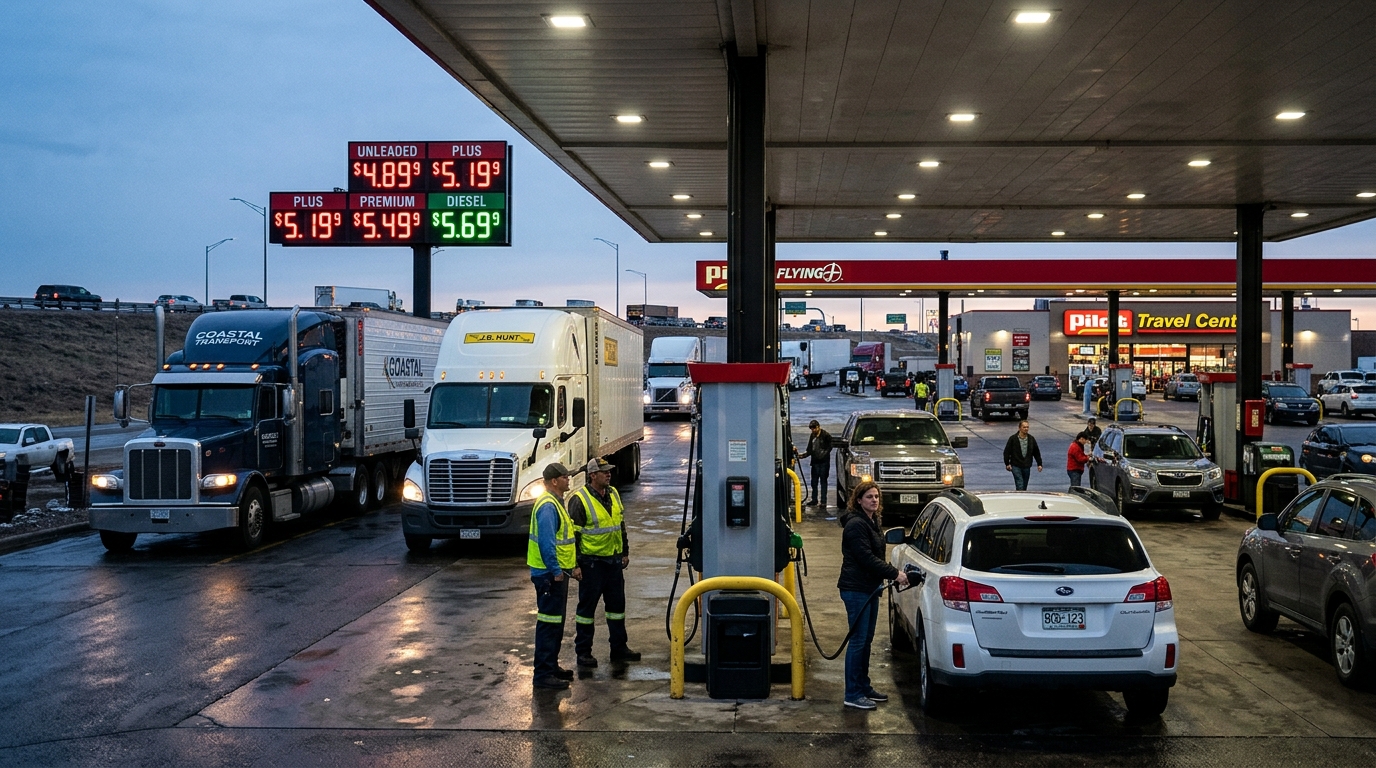
The headline comes alongside another CNBC report noting that U.S. gasoline, diesel and jet fuel prices have risen sharply instead of falling. Taken together, those developments reinforce the message that refined-product costs and crude supply management are still central to the inflation outlook.
Why a steady OPEC+ decision matters
When OPEC+ holds output unchanged, traders usually read that as a signal that producers remain cautious about adding supply into an uncertain demand environment. It can also indicate a preference for price stability over market-share expansion. In practical terms, a steady output plan may help keep a floor under crude prices if demand holds up.
That matters beyond oil producers. Fuel costs affect airlines, freight, chemicals, manufacturing and consumer spending. Diesel is particularly important because it moves through supply chains quickly, influencing transportation and logistics costs. Jet fuel directly affects airline margins and travel pricing.
Inflation transmission is back in focus
The market angle is not just crude itself, but the way fuel prices filter through the broader economy. CNBC’s separate report that gasoline, diesel and jet fuel have all climbed underscores that the energy complex remains an active source of inflation pressure. Even if central banks focus on core measures, sustained fuel increases can shape inflation expectations and household sentiment.
For currency markets, this can matter through trade balances and imported inflation, especially for net energy importers. For bond markets, persistent fuel strength can complicate hopes for easier inflation readings. And for equities, it creates uneven effects: energy producers may benefit from firmer pricing while transport-heavy sectors face margin pressure.
What is confirmed by today’s headlines
- Supply stance: Investing.com reported, citing Reuters, that OPEC+ is set to hold December oil output steady.
- Fuel backdrop: CNBC reported that gasoline, diesel and jet fuel prices have all risen rather than declined.
- Market relevance: Together, the reports point to ongoing energy-cost sensitivity across inflation-linked assets.
What traders may watch next
The next step for markets is how crude and refined products respond as more detail emerges around producer policy and end-demand. A steady OPEC+ posture does not guarantee a price surge, but it does suggest no near-term policy move aimed at easing supply conditions. That leaves the market more exposed to disruptions, seasonal demand swings and refining bottlenecks.
It also keeps attention on the spread between crude and consumer fuels. Sometimes crude can be relatively contained while diesel or jet fuel remain elevated because of refining capacity constraints or product-specific demand. That distinction is important for investors trying to understand inflation pass-through.
According to the available headlines from Investing.com and CNBC, the current signal is one of continued supply restraint meeting already elevated fuel costs. That is enough to keep oil and inflation firmly linked in the market narrative.
Neutral outlook: If OPEC+ leaves output steady and fuel prices remain firm, energy markets are likely to stay important for inflation expectations and sector-level equity performance in the near term.
MarketPro reports are AI-assisted analyses of publicly reported market news. Not investment advice.