Russia Diesel Ban Extension Puts Fuel Markets Back on Edge
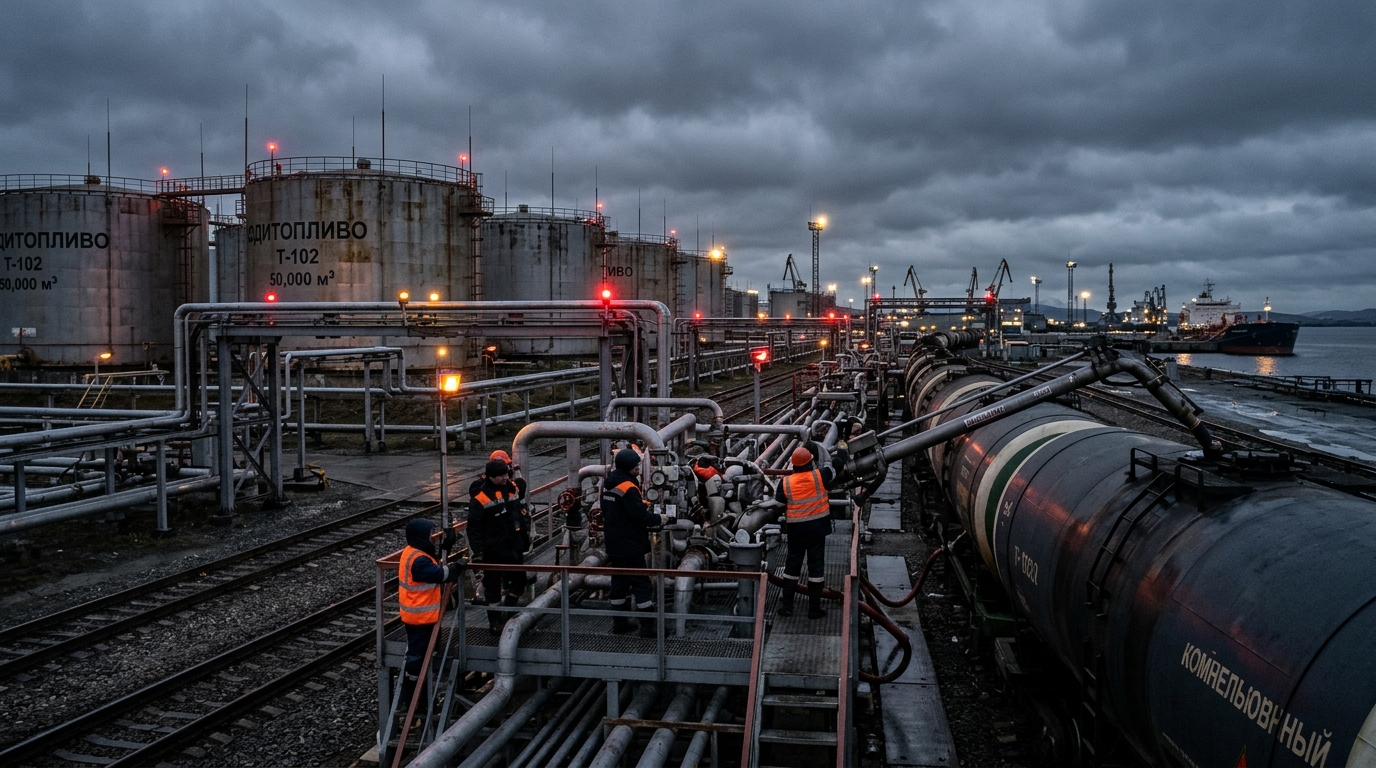
Fuel markets are back in focus after Investing.com reported that Russia extended its diesel export ban through January while allowing limited shipments, adding a fresh supply-side concern to an already tense pricing backdrop. The development matters well beyond Russia because diesel is a critical fuel for freight, industry and heating, and disruptions in its trade flows can ripple quickly through inflation-sensitive parts of the global economy.
The headline also lands as U.S. consumers are seeing pressure across several refined products. CNBC reported that gasoline, diesel and jet fuel prices all rose despite President Donald Trump’s earlier pledge to slash energy costs. Read together, the two reports point to a central market reality: even when crude oil prices are stable or headline energy politics dominate debate, refining and product-specific bottlenecks can still drive end-user fuel costs higher.
Why diesel matters so much to markets
Diesel often carries more macroeconomic importance than its share of public attention suggests. It powers trucking fleets, industrial equipment, agricultural machinery and parts of global shipping logistics. When diesel markets tighten, the impact tends to spread through transportation costs, delivery chains and producer prices.
That is why Russia’s export policy still matters internationally. Even with shifting trade patterns since sanctions and wartime disruptions reshaped energy flows, Russian product exports remain relevant to global balances. A longer restriction can force buyers to source cargoes elsewhere, potentially tightening regional supply and supporting refining margins in other markets.
Investing.com said the ban extension includes limited shipments, an important qualification because it suggests the policy is not a complete shutdown. Still, partial restrictions can be enough to unsettle traders if the market is already sensitive to inventory levels, winter demand risks or freight bottlenecks.
Refined products, not just crude, are driving the story
One lesson from recent energy trading is that focusing only on crude can miss what households and businesses actually pay. CNBC's report on higher gasoline, diesel and jet fuel costs underscores that point. Even if benchmark oil is not surging, consumers can still face higher prices if refining capacity is constrained, inventories are thin or specific fuels see strong seasonal demand.
That distinction is especially important for diesel and jet fuel, where supply chains can be more vulnerable to refinery outages, export controls or shifts in international shipping routes. For markets, this means inflation signals from fuel may remain firm even without a classic oil-price spike.
Potential market implications
The Russia headline may matter across several asset classes:
- Commodities: Diesel cracks and other refining indicators could stay in focus if traders expect tighter export availability.
- Equities: Refiners, transport companies and fuel-sensitive industries may draw more attention as investors reassess margin pressure and demand resilience.
- Economy: Higher diesel and jet fuel costs can feed into freight, airline and goods inflation, complicating the broader disinflation narrative.
- Forex: Energy-importing economies can become more exposed when refined-product costs rise, even if crude benchmarks are relatively calm.
That last point is notable given MarketPro’s recent editorial priority to watch for cleaner FX catalysts. Fuel-price moves do not always dominate currency trading day to day, but a persistent rise in imported energy costs can become relevant for trade balances, inflation expectations and central-bank messaging.
Politics and market structure are colliding
The political angle is also hard to ignore. In the U.S., fuel prices remain one of the most visible economic indicators for voters. But the market mechanics are global and often difficult for any one government to control in the short term. Russia’s export restrictions, regional refining tightness and product-specific supply issues can all weaken the link between political promises and pump prices.
That helps explain why fuel stories often outlast the daily oil headline. The issue is not only the price of crude in the ground; it is the cost and availability of turning that crude into usable transportation fuels and moving those fuels where they are needed.
Neutral outlook
According to Investing.com and CNBC, the latest diesel export restriction from Russia and the rise in U.S. fuel prices both reinforce a similar message: refined-product markets remain vulnerable to supply disruptions and policy shocks. Near-term attention is likely to stay on whether limited exemptions keep diesel flows adequate or whether tighter availability begins to push fuel inflation concerns higher again.
MarketPro reports are AI-assisted analyses of publicly reported market news. Not investment advice.