Oil Slides Below $100 as Stock-Release Report Hits Brent
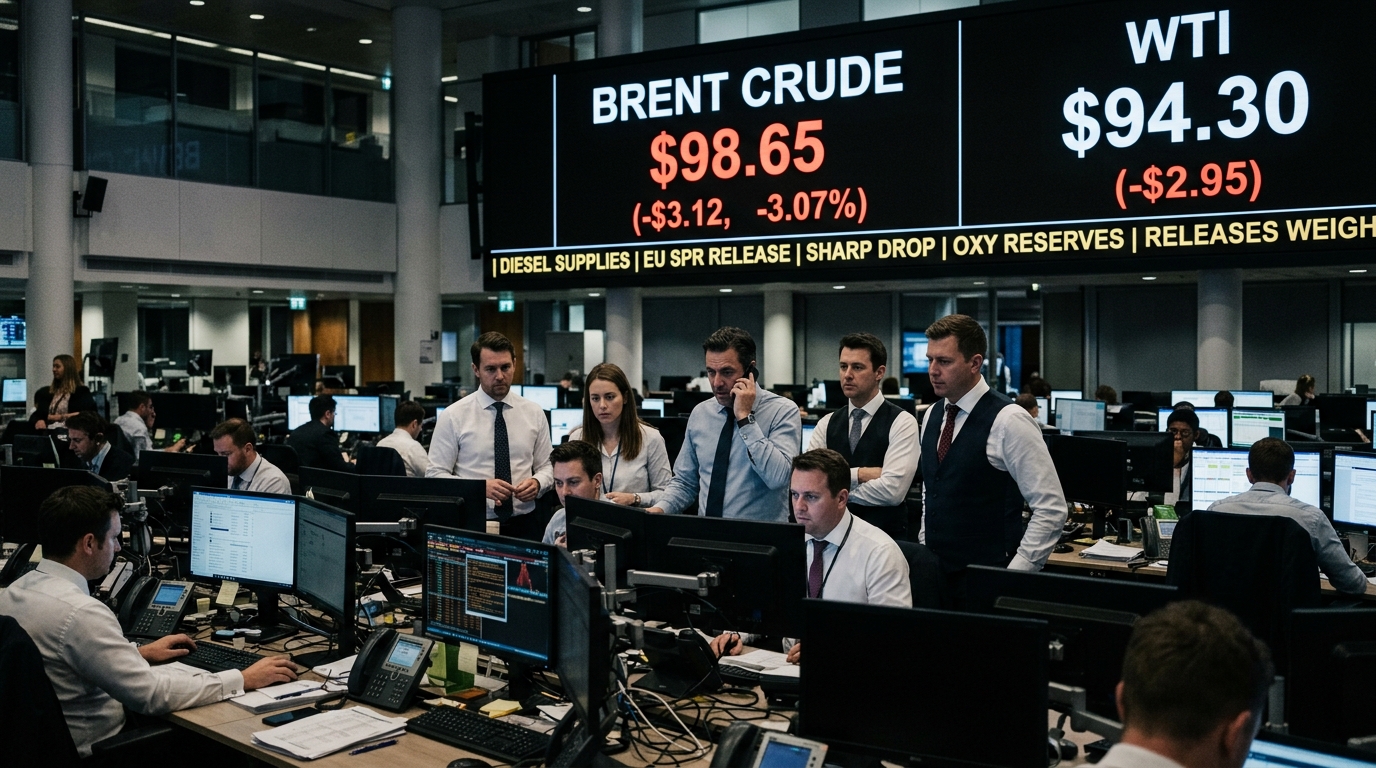
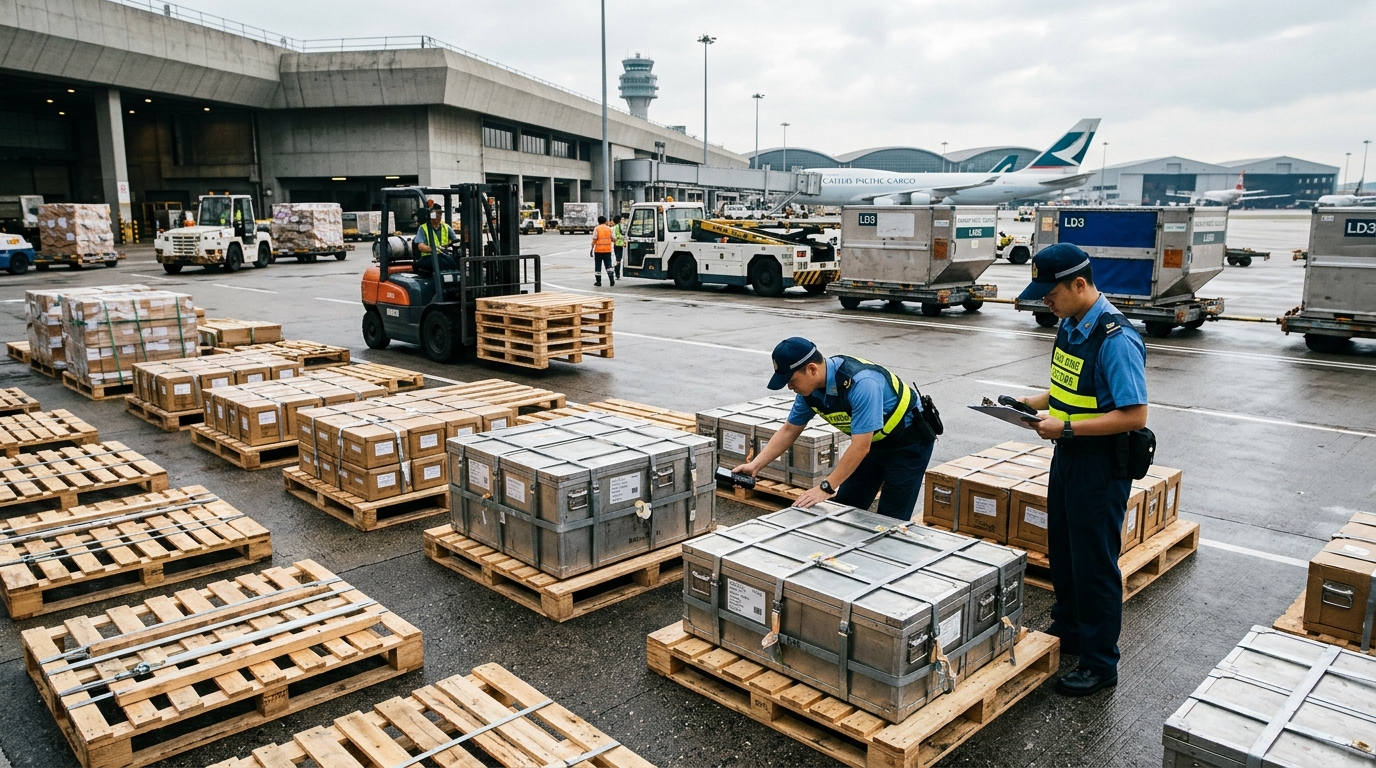
Oil prices fell sharply at the start of the session after a report suggested a potential release of diesel and crude stocks, a development that pulled Brent back below the $100 mark even as geopolitical tensions in the Middle East remained intense.
According to CNBC, oil prices dropped more than 3% on the report of a possible diesel and crude stock release. The same report said Brent moved back below $100, reversing part of the latest risk-driven climb in the market.
The decline stands out because it came alongside another CNBC headline stating that the United States will send a third carrier group to the Middle East as President Donald Trump warned of possible new strikes on Iran. Under normal conditions, military escalation in such a strategically important region would be supportive for crude. Instead, traders appeared to focus on the near-term supply implications of a potential stock release.
Why the market reacted so quickly
Energy markets are highly sensitive to any indication that governments could increase available supply during periods of stress. Even without detailed timing or volumes in the headline, the prospect of releasing diesel and crude inventories can change expectations for immediate shortages, refinery margins and physical market tightness.
That likely explains why prices moved despite the geopolitical backdrop. If traders believe emergency barrels could be made available quickly, part of the conflict premium can unwind, at least temporarily. Brent falling back below $100 is symbolically important because triple-digit crude often amplifies inflation concerns and raises pressure on central banks, transport costs and consumer spending.
Geopolitical risk has not gone away
Still, the oil selloff does not mean geopolitical risk has disappeared. The reported deployment of a third U.S. carrier group to the region, according to CNBC, suggests Washington is preparing for a prolonged period of elevated tension. Any disruption involving production, shipping lanes or refining capacity could quickly reverse the latest price drop.
That leaves the market balancing two competing forces. On one side is the possibility of official action to ease fuel and crude tightness. On the other is the risk that conflict could broaden, putting supply routes and regional output under renewed threat. The latest price move shows that, for now, traders judged the first factor to be more immediate.
Why this matters beyond energy traders
Crude oil is not just a commodity story. A sustained move lower can ripple across inflation expectations, bond markets and equity sectors. Lower energy prices may ease pressure on airlines, logistics companies and fuel-intensive manufacturers, while reducing some of the urgency around inflation-sensitive policy debates.
That matters on a day when CNBC also reported that Treasury yields edged higher ahead of a key U.S. jobs report. If oil remains below recent highs, it could soften one source of inflation pressure just as investors reassess labor-market strength and the interest-rate outlook.
For stock markets, lower crude can be a mixed signal. Energy producers may face earnings pressure if prices retreat further, but many consumer and industrial sectors may benefit. The effect depends on whether the decline reflects healthier supply expectations or broader fears of slowing demand. The headline support available today points more clearly to the supply side, given the stock-release report.
What to watch next
The next question is whether the reported stock release idea becomes an official policy step or remains a market-moving trial balloon. Without confirmation, crude could remain volatile and highly headline-driven. Traders will also watch whether any additional military developments in the Middle East restore a larger security premium to oil.
For now, the market’s message is straightforward: immediate supply relief can outweigh geopolitical anxiety, at least for a session. Neutral outlook: Brent’s move back below $100 may reduce short-term pressure across global markets, but the balance between emergency supply measures and Middle East risk remains unstable.
MarketPro reports are AI-assisted analyses of publicly reported market news. Not investment advice.