Putin Orders Army Expansion as War Risk Reframes Europe
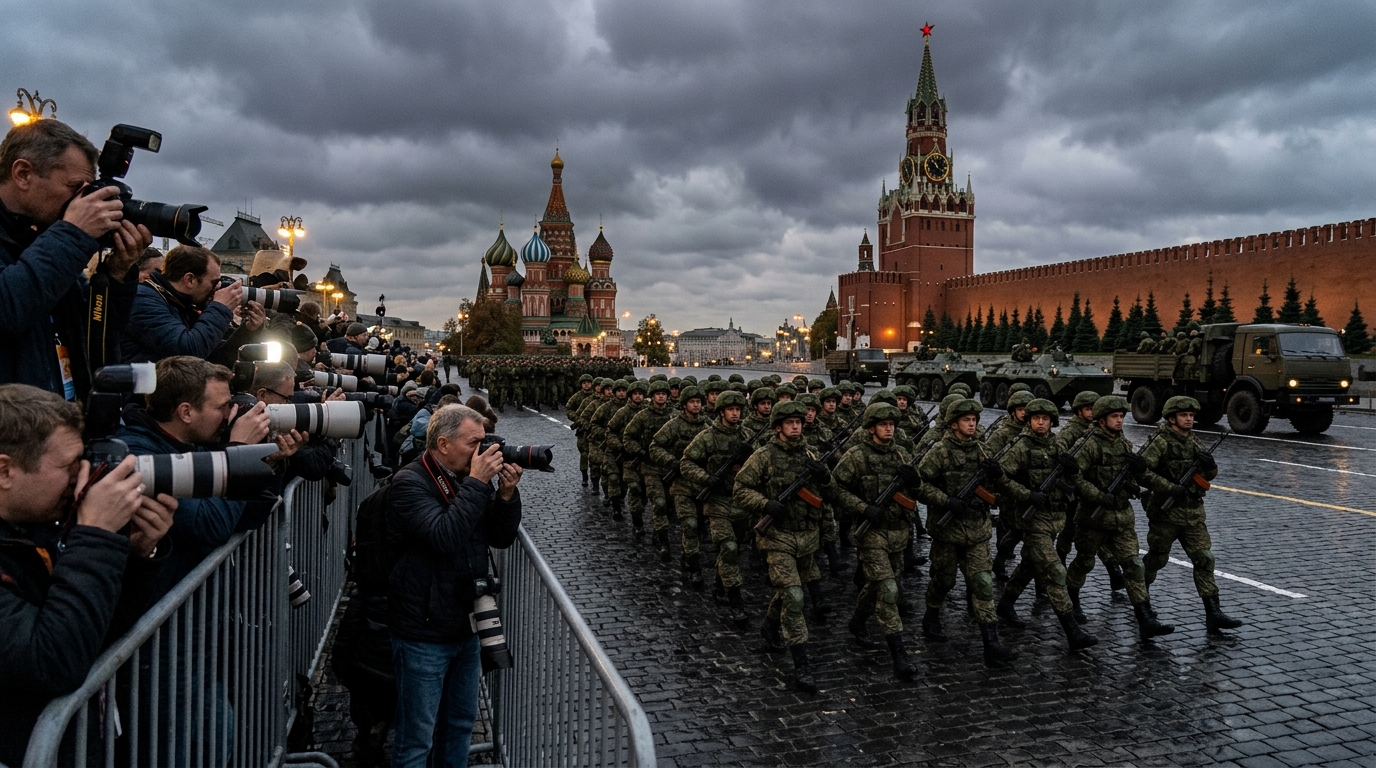
Russia’s latest military expansion order is putting geopolitical risk back near the center of the market conversation, especially for Europe, where war-related fiscal pressures, energy security concerns and defense spending trends remain closely tied to investor sentiment.
According to CNBC, Russian President Vladimir Putin ordered an expansion of the army, while Ukrainian President Volodymyr Zelenskyy warned that Russia may be preparing to deploy 10,000 North Korean troops. The headline points to a potential escalation in the conflict’s military dimension, even as markets continue to balance inflation, growth and central-bank risks.
Why markets are likely to pay attention
For investors, the significance of the development is less about an immediate repricing across all assets and more about the possibility that a prolonged or broadened conflict could intensify pressure on European public finances and regional risk appetite.
A larger Russian military force could reinforce expectations that the war will remain a long-duration strategic challenge for Europe. If those expectations harden, markets may continue to focus on several linked themes: government borrowing needs, defense procurement, supply-chain resilience and the broader cost of maintaining security commitments.
Zelenskyy’s warning on possible North Korean troop involvement, as reported by CNBC, adds another layer. Even without independently verified operational details in the wire headlines, the suggestion of wider external participation raises the perceived risk of further internationalization of the conflict. That matters because markets tend to react not only to confirmed battlefield shifts but also to signs that a war may become more complex diplomatically and militarily.
Europe’s policy and fiscal backdrop
European economies have already spent years adjusting to a security environment shaped by the war in Ukraine. The latest development may support an existing market view that defense outlays across the region are likely to remain elevated for longer.
That can have mixed implications. On one side, sustained defense demand can support parts of the industrial and aerospace supply chain. On the other, higher security spending can complicate fiscal management at a time when some European governments are also confronting weak growth, energy-transition costs and political pressure over budgets.
For bond markets, the issue is not simply whether spending rises, but how durable those commitments become. A more entrenched military posture can influence sovereign issuance expectations and medium-term fiscal debates. That is especially relevant in a region where differences in borrowing costs and debt tolerance still matter for market pricing.
Energy and sentiment channels remain important
Although today’s Russia headline is not directly about oil or gas flows, investors will still watch the energy channel closely. In past phases of the war, markets have reacted strongly when military developments altered expectations for supply disruptions, sanctions policy or critical infrastructure security.
Any perception that the conflict is broadening could revive sensitivity around Europe’s energy vulnerability, even if current physical supply conditions are more stable than in earlier stages of the war. The result may be a more cautious tone across regional equities and a renewed focus on sectors exposed to input costs and industrial demand.
What this means for cross-asset positioning
In practical terms, the headline is most relevant for:
- European equities, where defense-linked names may draw attention while broader cyclical sectors could face renewed caution.
- Sovereign debt markets, given the connection between security spending and fiscal outlooks.
- Energy-sensitive assets, because geopolitical escalation can quickly feed into commodity risk premiums.
- Safe-haven sentiment, particularly if further reporting points to a wider military footprint in the conflict.
The headline also arrives during a period when markets are already dealing with competing macro forces, including inflation persistence and uncertain global growth. That makes geopolitical developments more potent because they can reinforce caution already present in portfolios.
What is confirmed, and what is not
Based on the provided headline, CNBC reports two distinct developments: Putin has ordered army expansion, and Zelenskyy has warned that Russia is preparing to deploy 10,000 North Korean troops. The warning from Zelenskyy should be understood as an attributed claim rather than a confirmed deployment based on the information available here.
That distinction matters for market interpretation. Confirmed policy actions such as force expansion are one thing; forward-looking battlefield warnings are another. Investors will likely look for follow-up reporting and official responses before assigning broader market consequences to the North Korea element.
Neutral outlook
The immediate market impact may depend less on today’s headline alone than on whether it is followed by concrete evidence of wider foreign military involvement or additional shifts in Russia’s force posture. For now, the development reinforces the case for keeping European geopolitical risk firmly in the macro picture.
MarketPro reports are AI-assisted analyses of publicly reported market news. Not investment advice.