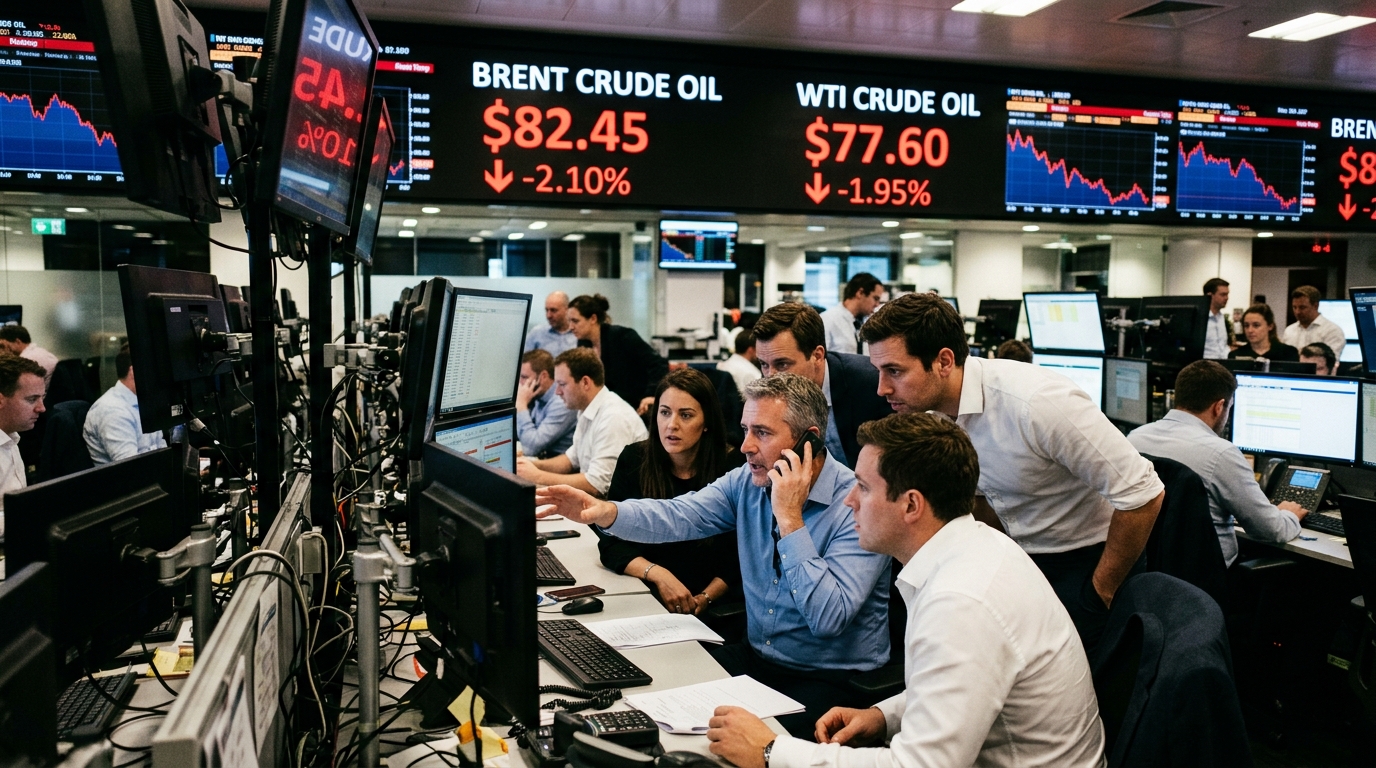
Riyadh airport threat puts oil and Gulf risk in focus
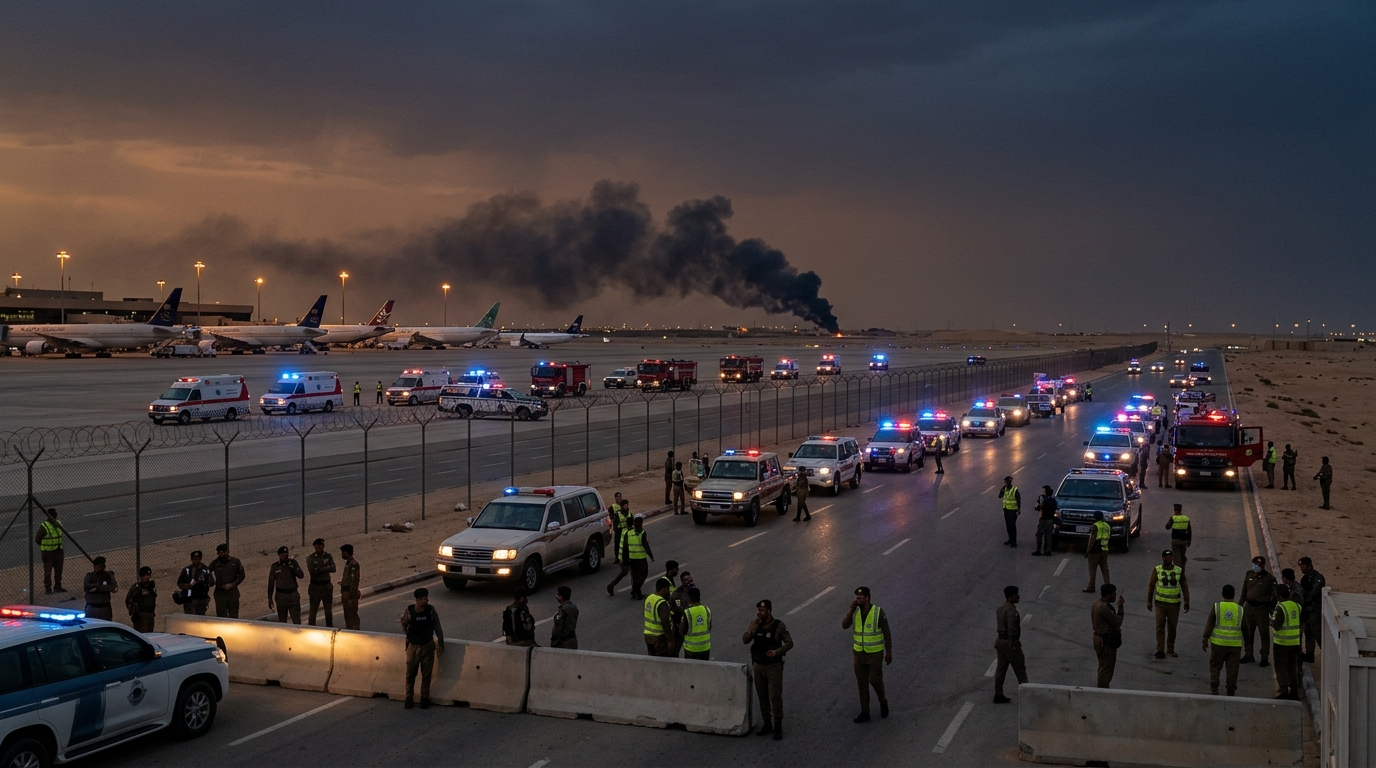
Oil markets may face renewed geopolitical risk after Investing.com reported flames and smoke were seen near Riyadh airport following a Saudi warning of an aerial attack threat. The headline does not provide a confirmed assessment of damage, casualties or disruption, but it is significant because energy traders are highly sensitive to any event that raises security concerns in Saudi Arabia.
Saudi Arabia remains central to the global oil system, both as a major producer and as a country whose infrastructure and transport security can influence the market’s risk premium. Even when an incident does not directly affect production, headlines tied to attacks, airports or critical facilities can alter sentiment quickly.
Why oil reacts to Saudi security headlines
Crude prices do not move only on confirmed supply losses. They also respond to perceived vulnerability in major producing regions. A report involving Riyadh, especially after an official warning, can make traders reassess whether existing prices fully reflect regional security risks.
That matters because oil pricing often includes a geopolitical premium when the market sees an elevated chance of disruption. Saudi Arabia’s role in OPEC and global spare capacity gives any domestic security signal outsized importance compared with similar incidents in smaller producers.
In practical terms, a threat near Riyadh airport can affect markets through three immediate channels:
- Risk premium: Traders may price in a greater probability of future disruption, even absent current output losses.
- Transport and logistics concerns: Airport or infrastructure-related incidents can revive broader questions about the security environment around strategic assets.
- Broader Middle East sentiment: Energy markets often treat Saudi developments as region-wide signals, especially during already tense periods.
What is confirmed so far
According to Investing.com, flames and smoke were seen near Riyadh airport after Saudi authorities warned of an aerial attack threat. Based on the headline alone, there is no confirmation of who was responsible, what exactly was hit, whether airport operations were interrupted, or whether energy infrastructure was affected.
That lack of detail is critical. Markets often move on initial reports, but the durability of any oil reaction usually depends on follow-up confirmation. If later reporting shows the incident was contained with no impact on strategic assets, any initial price response could fade. If additional details point to a broader threat environment, the market may keep a firmer geopolitical premium in place.
How this intersects with the broader oil backdrop
The oil market has recently been balancing multiple forces at once: demand uncertainty, monetary-policy pressure, and recurring geopolitical shocks. In that setting, fresh Saudi security concerns can shift attention away from macro demand worries and back toward supply security.
For commodities investors, that creates a familiar tension. On one side are questions about global growth and consumption. On the other are event risks that can tighten sentiment quickly, even before barrels are lost. The Saudi headline falls firmly into the second category.
It is also a reminder that not all oil catalysts come from formal policy action. Sometimes the market moves because participants reassess probabilities: the chance of escalation, the chance of supply disruption, or the chance that governments and producers adopt a more defensive posture.
What to watch next
Because the initial report is limited, the next phase of coverage matters more than usual. Traders will likely focus on:
- Official Saudi statements on the cause and extent of the incident.
- Any sign of operational disruption at Riyadh airport or nearby infrastructure.
- Whether follow-up reports mention energy assets, transport routes or wider regional security alerts.
- Oil market reaction across benchmarks, especially whether any move proves sustained rather than headline-driven.
According to Investing.com, the immediate trigger for market attention is the combination of a prior warning and visible smoke near a major Saudi site. That is enough to put commodities desks on alert, even if many core facts remain unconfirmed.
Neutral outlook: Until more details emerge, this appears to be a geopolitical risk event rather than a confirmed supply shock. Oil markets may stay sensitive to follow-up reporting, with sentiment likely to hinge on whether the incident broadens into a more direct threat to infrastructure or exports.
MarketPro reports are AI-assisted analyses of publicly reported market news. Not investment advice.