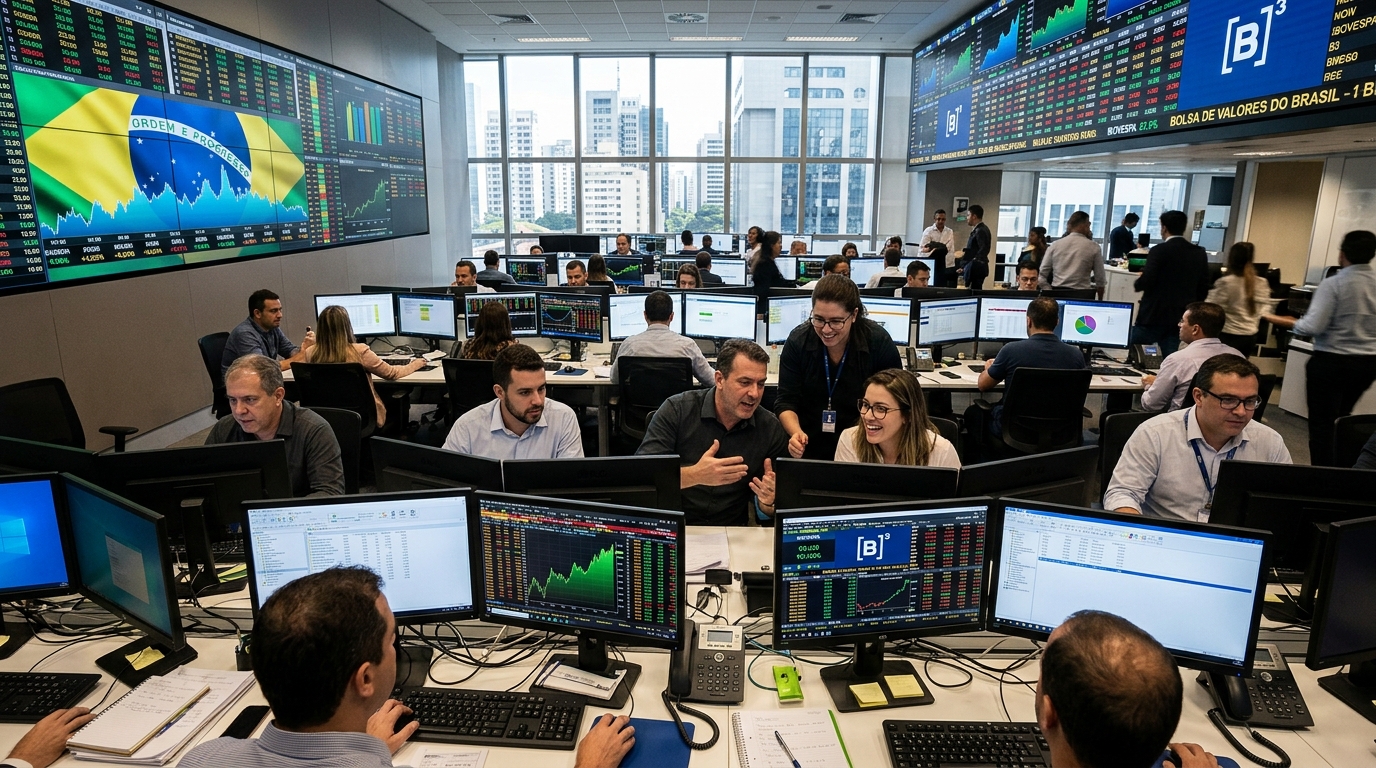
Spain snap election deepens pressure on euro and EU assets
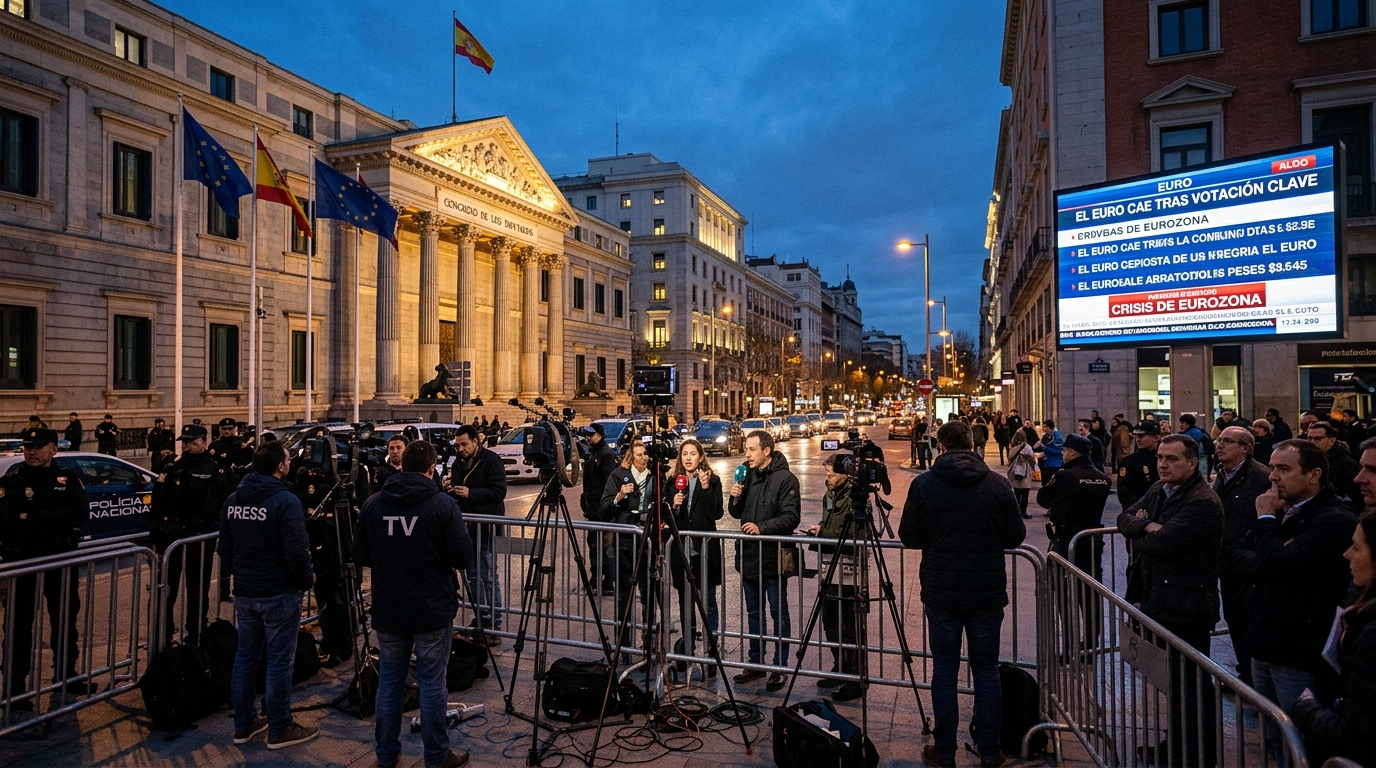
The euro came under renewed pressure after a fresh wave of political uncertainty in southern Europe, with Spain’s decision to call a snap election adding to an already fragile backdrop for regional assets. According to CNBC reports, the euro fell to a 17-month low as investors weighed political risks in both Spain and France, while Spanish Prime Minister Pedro Sanchez called an early election after protests linked to the housing crisis.
The two developments matter because currency markets often treat political instability as a direct risk to growth, fiscal policy and policymaking coherence. In this case, the euro’s decline was not tied to a single headline alone. Instead, it reflected a broader reassessment of whether the euro area could face a more prolonged period of political fragmentation just as markets remain highly sensitive to rates, sovereign borrowing costs and weak growth.
Why Spain’s election call matters for markets
CNBC reported that Sanchez called a snap election after housing crisis protests. For markets, the immediate issue is not simply the domestic political fallout in Spain. It is the possibility that an early election injects more uncertainty into budget decisions, housing policy, and the country’s broader economic direction at a time when investors are already demanding clearer fiscal discipline across developed markets.
Spain is one of the euro zone’s major economies, and any perception of political instability can ripple into bond markets, bank shares and the common currency. When an election is called under pressure, investors often wait to see whether the next government will be able to govern effectively or whether coalition negotiations could drag on. That uncertainty can weigh on the euro even before any policy changes occur.
The move also lands at a delicate moment for Europe’s political narrative. CNBC separately reported that uncertainty in both Spain and France was rattling markets. That cross-border dimension is important: traders are less likely to dismiss country-specific risk when more than one major euro area member is facing political stress at the same time.
Euro weakness fits a wider market pattern
The euro’s slide to a 17-month low suggests investors are not treating this as a temporary political headline. Instead, the move points to a familiar pattern in foreign exchange markets, where domestic political risk compounds existing macro pressures.
Those pressures include:
- Growth concerns: Political instability can delay reforms and weaken business confidence.
- Fiscal worries: Markets are highly alert to public borrowing risks, especially after a period of elevated global yields.
- Relative policy uncertainty: If investors see Europe as less predictable than the U.S. or other major markets, the euro can lose support.
Currency traders are especially sensitive to moments when politics and economics start reinforcing each other. A weaker euro may support some exporters over time, but in the near term it often reflects a less constructive view of the region’s overall outlook.
What investors may watch next
The next phase for markets will likely depend on whether political uncertainty remains contained or spreads further into broader concerns about euro area cohesion. In Spain, investors will watch for signs of how contested the election may become and whether a stable governing outcome appears likely. In France, any additional signs of domestic political strain could add to the pressure already weighing on the single currency.
Markets may also pay attention to whether euro weakness begins feeding into a wider repricing of European assets. That could include sovereign bonds, banks and consumer-exposed sectors, especially if investors conclude that political turbulence is arriving at a time of already-soft confidence.
For now, the euro’s move appears to be a direct reflection of rising political risk premium in Europe. According to CNBC reports, the combination of a 17-month low in the currency and Spain’s snap election call has given markets a fresh reason to question near-term stability in the region.
Neutral outlook: If political uncertainty eases, the euro could stabilize, but near-term trading is likely to remain sensitive to election developments in Spain and broader sentiment around European political risk.
MarketPro reports are AI-assisted analyses of publicly reported market news. Not investment advice.