Trump diplomacy remarks put geopolitics back on market radar
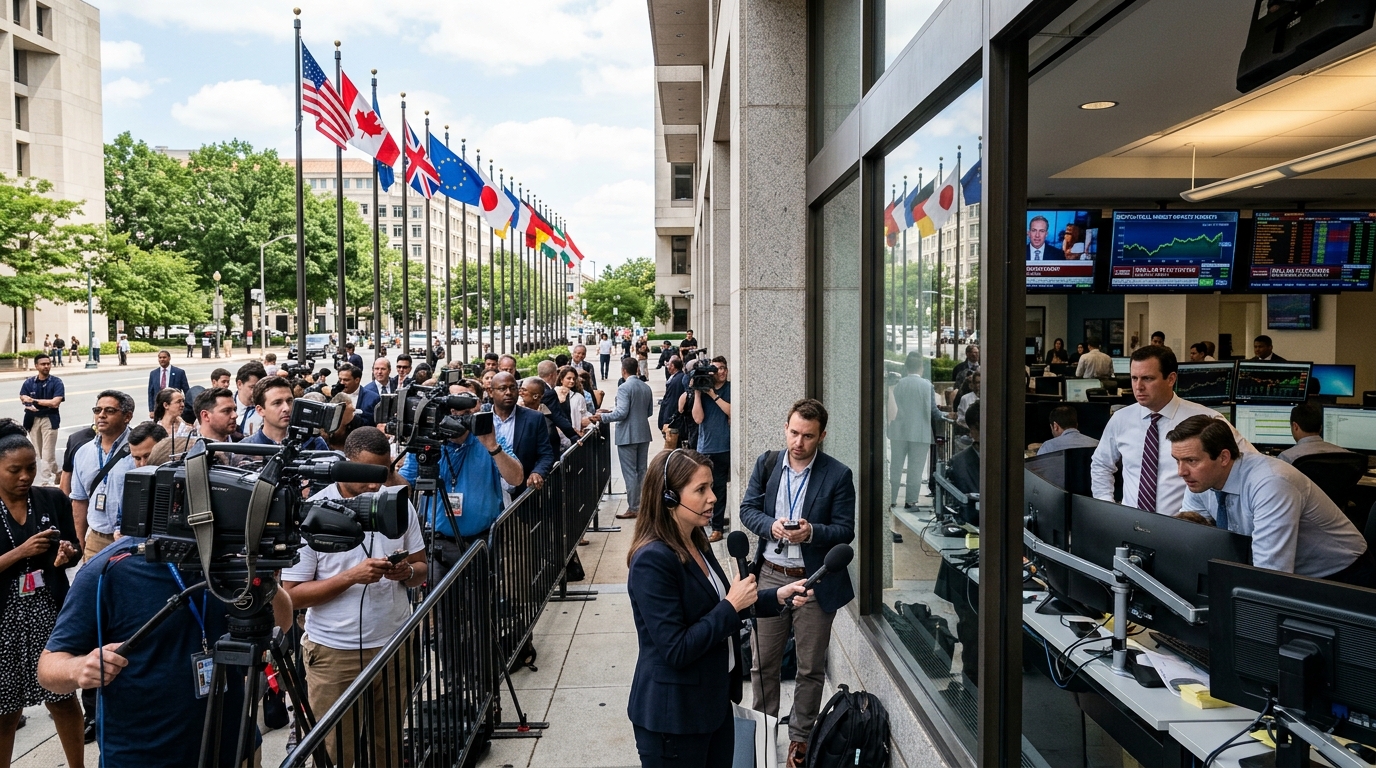
Fresh geopolitical comments from Donald Trump are giving currency and broader risk markets another political variable to watch, as investors continue to weigh war, diplomacy and election-driven policy uncertainty alongside economic data and central-bank expectations.
According to a CNBC report, Trump said he would meet with Russian President Vladimir Putin and Chinese President Xi Jinping, while also criticizing Ukrainian President Volodymyr Zelenskyy. The remarks do not amount to a policy change, but they matter for markets because they touch three of the most important geopolitical relationships for global investors: U.S.-Russia, U.S.-China and the future path of the war in Ukraine.
Why FX markets care about rhetoric before policy
Foreign-exchange markets often respond first to changes in political signaling rather than to formal policy action. That is especially true when comments involve major powers, trade relationships or military conflict. Trump’s remarks fit that pattern because they may influence expectations around sanctions policy, defense commitments, trade tensions and diplomatic positioning if they become more central in the U.S. political narrative.
For currency markets, geopolitical uncertainty can support traditional safe-haven assets and currencies, while also raising pressure on more regionally exposed markets. The dollar, the Japanese yen and the Swiss franc frequently draw attention during periods of uncertainty. Meanwhile, the euro can come under closer scrutiny when developments relate directly or indirectly to the war in Ukraine and Europe’s security outlook.
CNBC’s report places the comments in the context of Trump’s broader foreign-policy messaging. Even without immediate policy consequences, investors tend to parse such remarks for clues on how future U.S. diplomacy could affect trade flows, defense spending, sanctions regimes and cross-border capital allocation.
Russia, China and Ukraine are separate market channels
Each element of Trump’s comments points to a different market transmission channel.
- Russia: Any suggestion of a different diplomatic posture toward Moscow can affect expectations for European security risk, energy-market sensitivity and sanctions enforcement.
- China: Statements about engagement with Xi are relevant for currencies and assets tied to global trade, manufacturing and technology supply chains.
- Ukraine: Criticism of Zelenskyy can draw investor attention back to U.S. support for Ukraine and how that may shape European political cohesion and regional risk pricing.
These channels do not move markets in the same way every time. But together they reinforce a familiar pattern: when political headlines become less predictable, investors often demand a higher premium for holding risk-sensitive assets.
What it means for Europe and the dollar
The euro has already been sensitive to political stress in Europe, and renewed attention on Ukraine-linked diplomacy may keep that sensitivity elevated. While today’s headline is centered on U.S. politics, the market implications can be global because Europe remains more directly exposed to the consequences of the war.
For the dollar, the effect is more nuanced. In periods of geopolitical tension, the U.S. currency can benefit from safe-haven demand. But the dollar is also influenced by Treasury yields, Federal Reserve expectations and incoming U.S. economic data. That means political headlines may amplify existing moves rather than create a durable trend by themselves.
Investors are therefore likely to treat Trump’s remarks as part of a larger mosaic rather than as a standalone driver. That mosaic currently includes growth concerns, election risk, trade-policy uncertainty and persistent questions about global security arrangements.
Markets still need confirmation from policy and polling
One important limit for investors is that rhetoric is not the same as action. Markets may react to comments, but sustained repricing usually requires either clearer policy proposals, polling shifts, or follow-through from other political actors. For now, the headline impact is likely to be strongest in near-term sentiment, FX positioning and broader geopolitical risk assessment.
According to CNBC, the remarks also come at a time when investors are already balancing multiple macro catalysts. That broader context matters, because geopolitical headlines tend to have the greatest market impact when they land on top of fragile risk appetite or uncertain growth expectations.
Neutral outlook: Investors are likely to keep watching whether political rhetoric around Russia, China and Ukraine evolves into more concrete policy signals, especially for implications on currencies, safe-haven flows and European risk sentiment.
MarketPro reports are AI-assisted analyses of publicly reported market news. Not investment advice.