Election-year utility debate puts U.S. power demand in focus
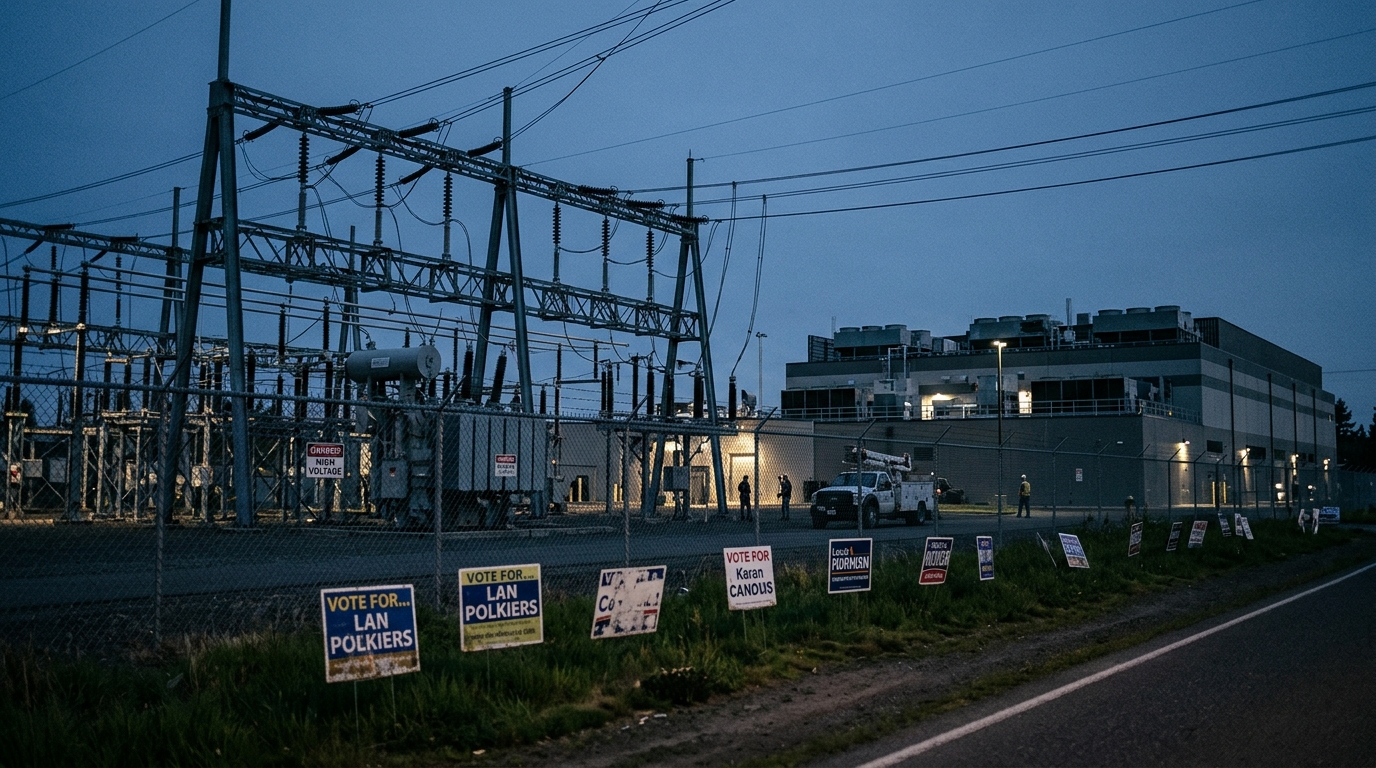
U.S. utilities are moving into a brighter political spotlight as election-season debate increasingly intersects with a structural shift in electricity demand. According to an Investing.com report, power bills and the rapid expansion of data centers are drawing unusual attention to utilities in the U.S. midterms, a sign that what was once a relatively defensive corner of the market is being pulled into a broader discussion about household costs, grid investment and industrial policy.
The story matters for markets because utilities sit at the center of several major themes at once: inflation sensitivity for consumers, the buildout required for AI-linked computing infrastructure, and the regulatory frameworks that determine who ultimately pays for grid upgrades. In recent years, utilities have often been treated by investors as income-oriented or rate-sensitive shares. But the emergence of power-hungry data centers adds a more cyclical and policy-sensitive dimension.
Why the sector is drawing more attention now
The immediate political hook is straightforward: electricity bills are highly visible to voters. At the same time, the power needs of large-scale computing facilities have become harder to ignore. AI infrastructure requires substantial electricity supply, and that pushes utilities into debates that go beyond traditional questions of fuel mix or storm resilience.
Investing.com said the combination of power bills and data-center growth has cast a rare spotlight on utilities in U.S. midterm politics. That framing suggests the sector is no longer being viewed only through a narrow defensive-equity lens. Instead, it is becoming part of the wider conversation around affordability, competitiveness and infrastructure capacity.
This shift could matter for both regulated and competitive power companies. Regulated utilities may face sharper scrutiny over rate cases and capital spending plans, while merchant power operators could see more focus on supply adequacy and pricing volatility if demand growth outpaces expectations.
Market implications go beyond utility shares
The utility story also reaches into commodities and industrial supply chains. Higher electricity demand can have implications for natural gas burn, coal procurement, transmission investment and power-market pricing. That is one reason the sector deserves attention beyond stock pickers.
There is also a second-order effect: if policymakers become more vocal about power affordability while endorsing AI and domestic digital infrastructure, utilities may be pushed to accelerate spending while justifying those costs more carefully to regulators and customers. That can affect returns, balance-sheet planning and timing of projects.
For commodity-linked markets, the debate reinforces a simple point: electricity demand growth is no longer only a weather or manufacturing story. It is increasingly tied to technology deployment. As data-center demand expands, utilities may have to secure more generation, transmission and backup capacity, with ripple effects across fuel markets.
Why this is a broader economic signal
Utilities rarely dominate election narratives unless there is a clear pressure point. Rising household bills can be one such trigger. Another is concern that critical infrastructure is not expanding fast enough to meet new demand from strategic industries. The renewed focus reported by Investing.com suggests both issues are now in play.
That matters for investors watching U.S. inflation dynamics as well. Electricity costs feed directly into household budgets, and persistent increases can shape consumer sentiment even if broader inflation measures cool. Meanwhile, large power requirements from data centers can sharpen regional differences in pricing and grid reliability.
There is not yet enough in the wire headlines to conclude that a specific policy shift is imminent. But the political attention itself is notable. When utilities move from the background to the campaign trail, markets tend to start asking whether future rate decisions, infrastructure approvals or power-market rules could become more contested.
Key themes for markets
- Affordability: power bills remain politically sensitive and can influence utility regulation.
- AI infrastructure: data-center expansion is becoming a meaningful demand driver for electricity.
- Capital spending: utilities may face pressure to expand grids and generation while defending customer costs.
- Commodity spillovers: stronger power demand can affect gas, coal and wholesale electricity pricing.
A neutral outlook from here is that utilities may remain in focus if election debate continues to overlap with AI-related power demand. The next market test will be whether political scrutiny translates into clearer signals on rate policy, grid investment or regional supply planning.
MarketPro reports are AI-assisted analyses of publicly reported market news. Not investment advice.