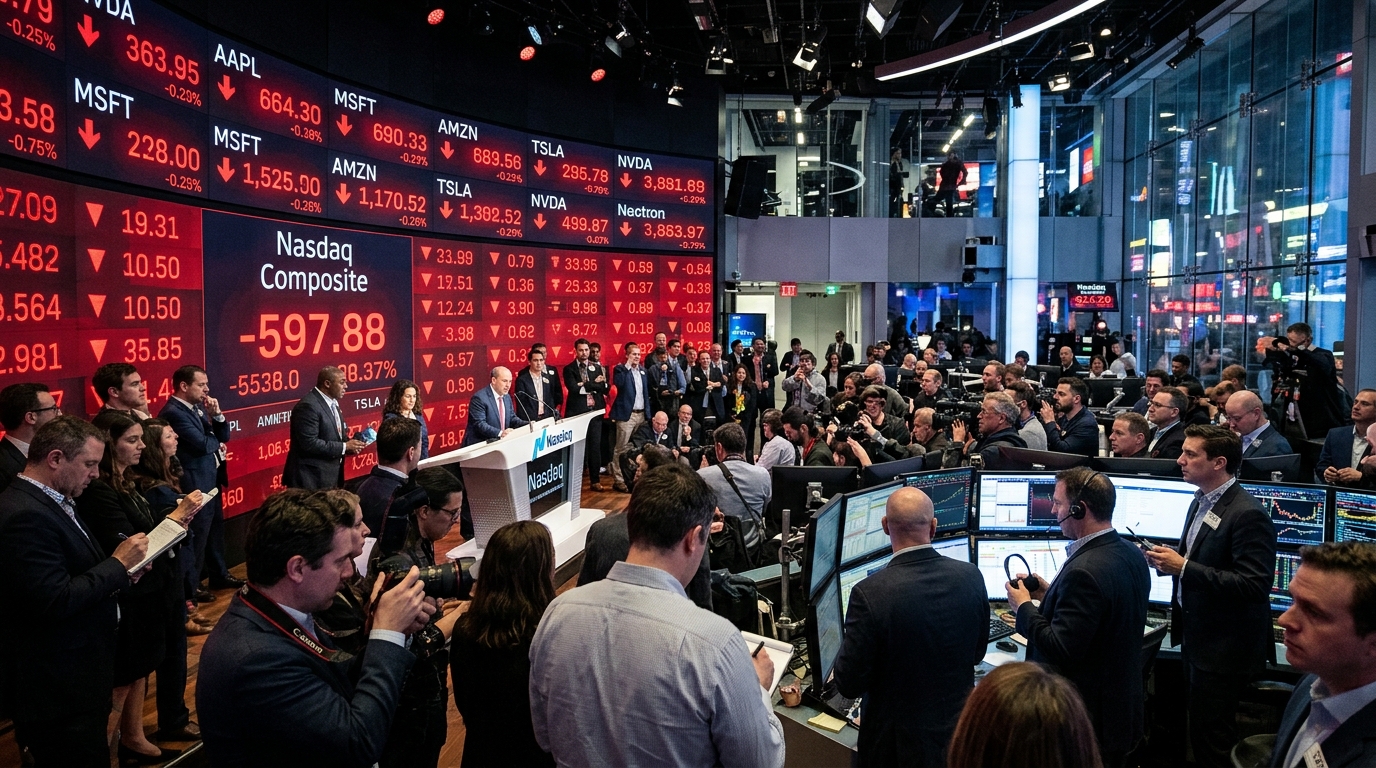
Anthropic filing puts AI revenue and commitments in focus
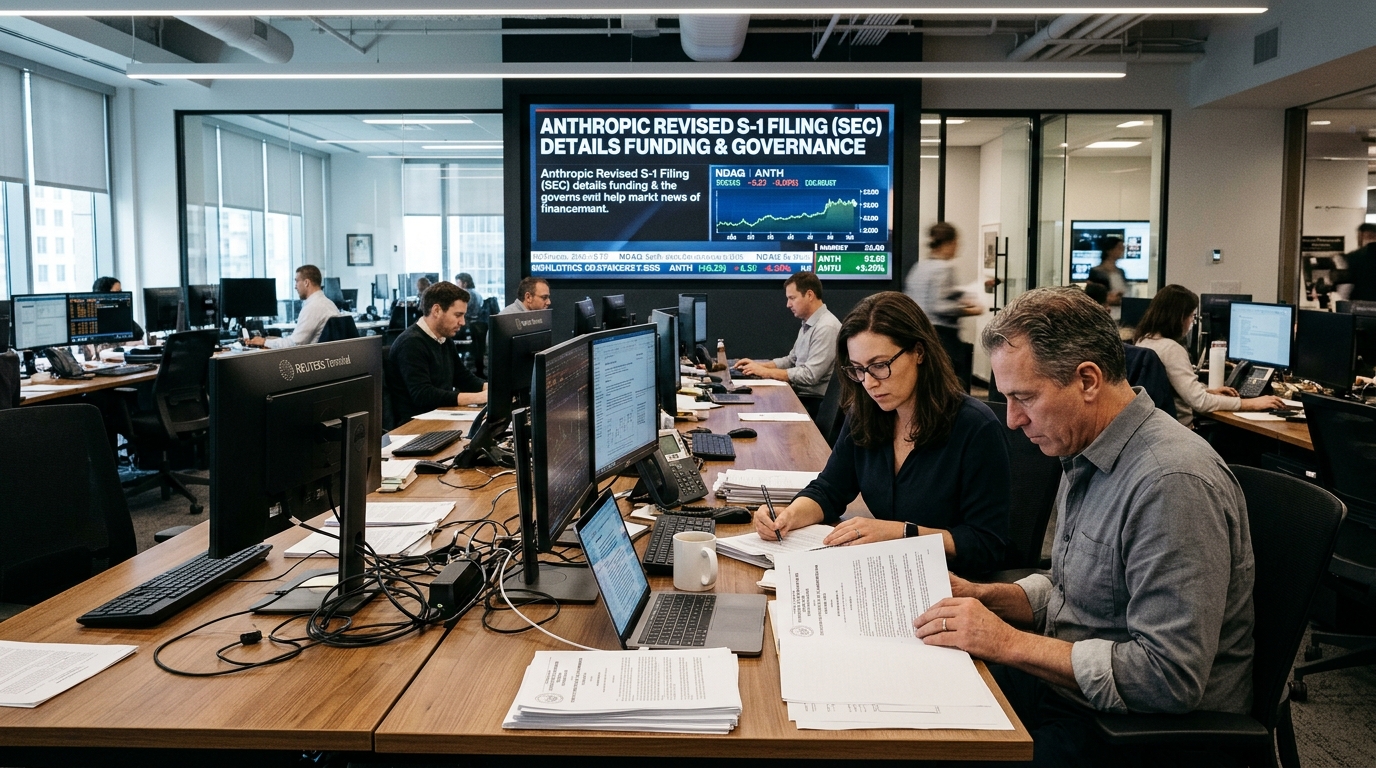
Anthropic moved to the center of market attention after a revised S-1 highlighted both rapid top-line growth and unusually large purchase commitments, underscoring how expensive the current artificial-intelligence buildout has become.
According to CNBC, Anthropic reported $17 billion in third-quarter revenue in its revised filing and disclosed purchase commitments of $895.4 billion. MarketWatch separately focused on the company’s 1,127% revenue surge and said computing costs erased its profit, reinforcing the view that growth in generative AI is being matched by heavy infrastructure spending.
Why markets are paying attention
The revised filing matters beyond one company. Investors have been trying to understand whether the current AI cycle is still being defined mainly by revenue acceleration or whether capital intensity is becoming the more important valuation issue. Anthropic’s updated disclosure puts both questions in one place.
On the one hand, the revenue figure cited by CNBC signals how quickly demand for enterprise and model-access services is scaling. On the other, the commitment figure highlighted in the filing suggests that future growth may depend on vast contracted spending tied to compute, capacity and related infrastructure.
MarketWatch’s framing adds another layer: even when revenue growth is dramatic, profitability can remain under pressure if the computing bill rises just as fast. That dynamic has become one of the central themes in the public market debate around AI-linked stocks.
What the filing says about the AI business model
The latest disclosures point to a market structure in which leading AI developers may need to secure enormous long-term access to chips, data-center capacity and cloud resources before the full earnings power of their products becomes clear.
That has several implications for investors:
- Revenue visibility may improve as adoption expands across enterprises and developers.
- Margin visibility may worsen if infrastructure and computing costs remain elevated.
- Supply-chain partners may benefit when AI developers lock in long-term capacity.
- Financing conditions matter more because large commitments can increase sensitivity to rates and capital-market access.
Those pressures are not isolated to private AI companies. Public-market investors have already been reassessing how much value should accrue to model developers versus the hardware, networking and infrastructure vendors supplying the underlying capacity.
Broader read-through for listed AI stocks
The Anthropic update arrives at a time when markets are increasingly distinguishing between AI demand and AI monetization. Strong usage trends can support sentiment across software, semiconductor and data-center names, but heavy spending commitments can also sharpen questions about balance-sheet strain, future fundraising and margin durability.
That is especially relevant in a market where investors have rewarded companies tied to AI growth while also becoming more selective about execution. A filing that shows extraordinary revenue momentum may be supportive for the broader sector narrative. But a filing that also shows extraordinary obligations can make investors more cautious about which part of the AI value chain is best positioned.
According to CNBC and MarketWatch reports, Anthropic’s numbers encapsulate that tension. The revenue story speaks to demand. The computing-cost and commitments story speaks to the price of meeting it.
Why this matters beyond technology
Large AI spending commitments can ripple across more than just tech valuations. They can influence credit markets, data-center construction, power demand and supplier negotiations. They may also shape how investors compare fast-growing AI businesses with more established software companies that offer steadier margins and lower infrastructure intensity.
In that sense, the filing is not simply a growth headline. It is also a reminder that the AI race remains capital-heavy, and that scale alone does not resolve questions about cost discipline or earnings quality.
Neutral outlook
The latest Anthropic disclosures, as reported by CNBC and MarketWatch, are likely to keep investor focus on a core AI-market question: whether surging revenue can translate into durable profitability once computing and capacity commitments are fully accounted for.
MarketPro reports are AI-assisted analyses of publicly reported market news. Not investment advice.