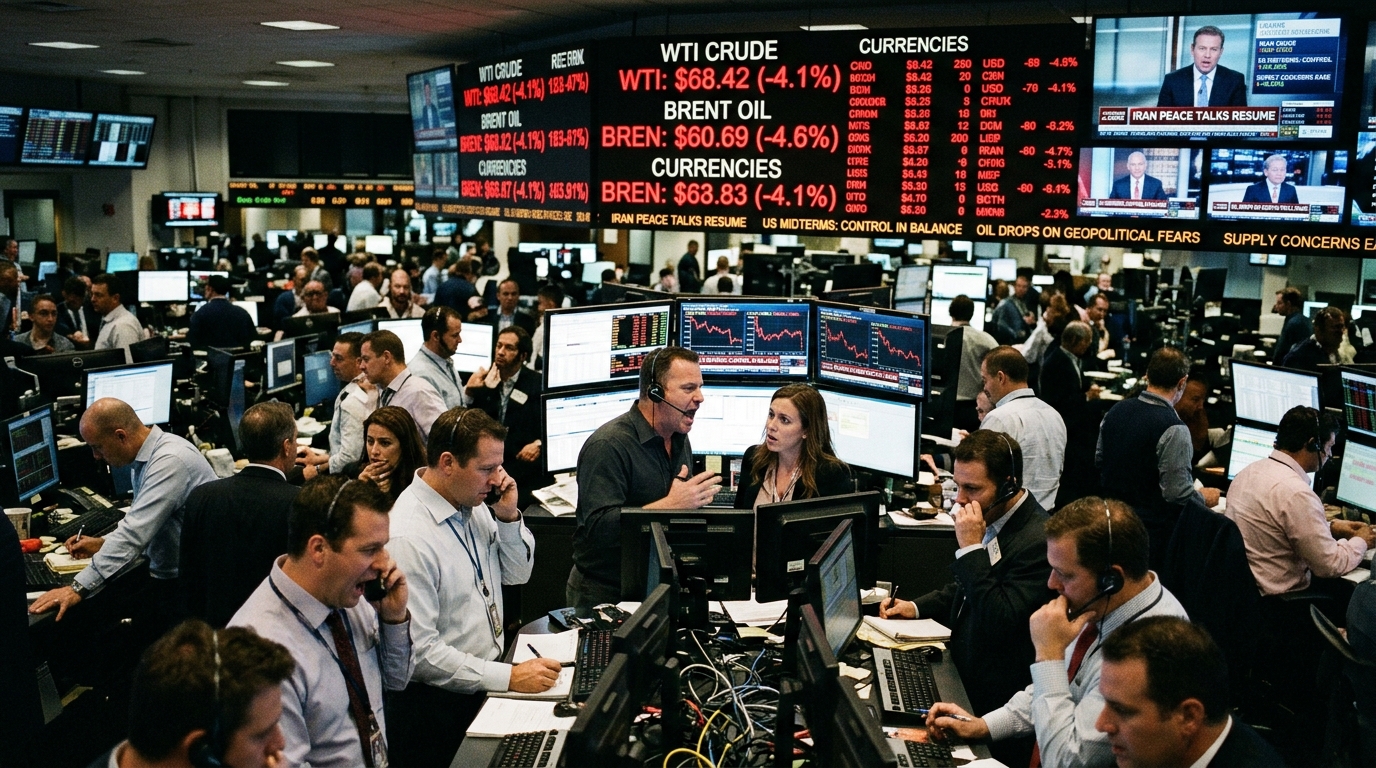
Oil rises as U.S. strikes Qeshm Island, Aramco profit gains
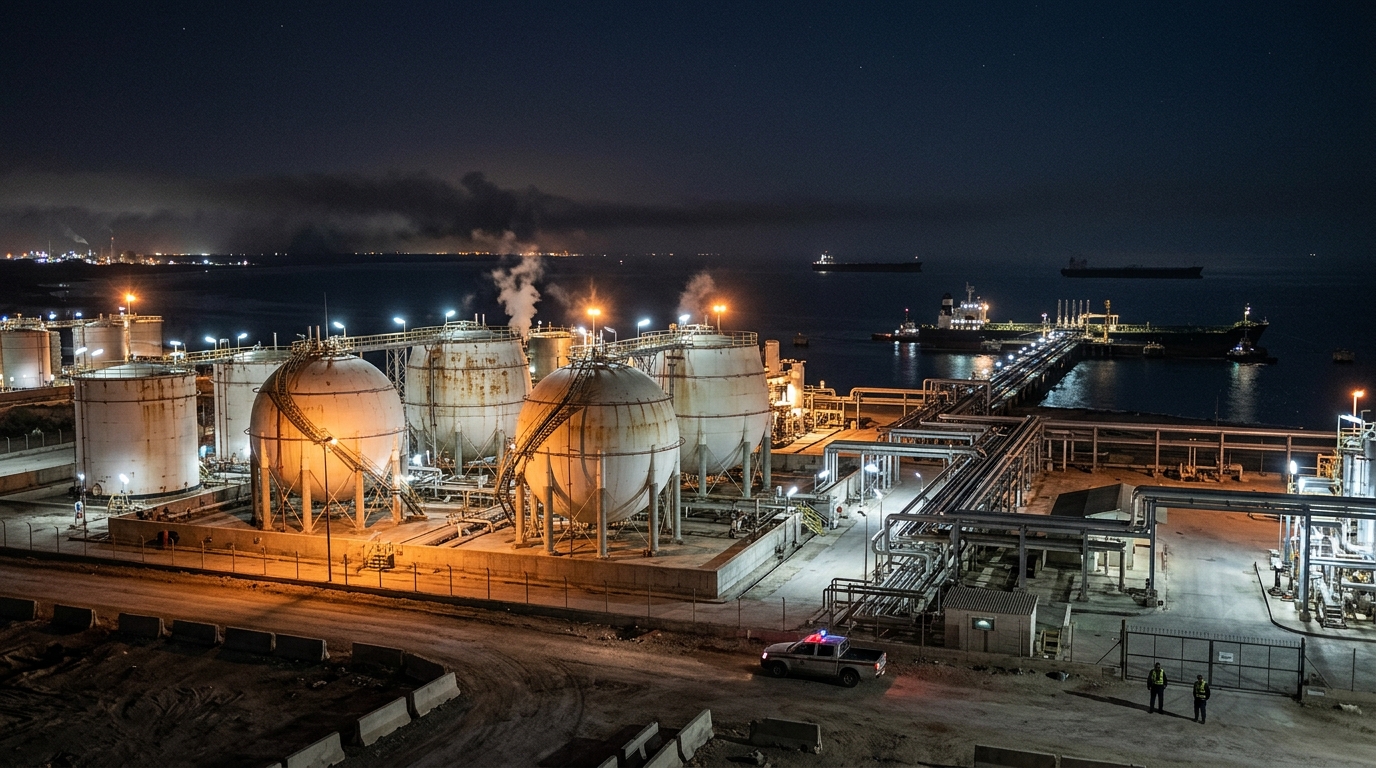
Oil markets moved higher after reports that the United States struck Iran’s Qeshm Island, adding a new supply-risk premium to an already tense Middle East backdrop. In a separate but related development, Saudi Aramco reported higher profit as stronger refining margins helped offset broader uncertainty tied to the regional conflict, according to CNBC reports.
The combination matters for global markets because it links geopolitics directly to crude pricing and refinery economics. Traders were already sensitive to any sign that energy infrastructure, shipping routes or regional production flows could face disruption. The reported U.S. strike on Qeshm Island appears to have sharpened those concerns, pushing oil prices up as market participants reassessed near-term risks.
Why Qeshm matters for oil markets
CNBC reported that oil prices climbed after the U.S. strikes on Qeshm Island. Even without confirmed evidence of broader supply outages in the headline set provided today, the location itself is significant because markets often react quickly when military action touches the Gulf region. In such moments, traders tend to price not only current barrels, but also the possibility of interruptions to transport, export logistics and insurance costs.
That reaction is often amplified because oil is globally traded and highly sensitive to geopolitical shocks. A move tied to conflict can spill over rapidly into related assets, including refining equities, shipping names, inflation expectations and currencies linked to energy exports or imports.
For now, the headline-supported takeaway is straightforward: the market interpreted the strikes as a reason to bid crude higher. That does not in itself confirm a lasting shortage, but it shows how quickly geopolitical risk can alter commodity pricing.
Aramco results add an industry signal
CNBC also reported that Aramco’s profit rose as refining margins strengthened amid the Iran war. That is an important cross-check on the broader energy story because it shows the market shock is not only visible in crude prices. It is also influencing downstream economics.
Refining margins typically strengthen when product pricing holds up better than input costs or when supply conditions tighten across parts of the fuel chain. Aramco’s result therefore offers a corporate read-through for the same regional stress that lifted oil. While one company’s earnings do not define the entire sector, Aramco’s scale gives investors and policymakers a closely watched signal about how the current conflict environment is affecting energy profitability.
Together, the two CNBC reports point to the same market theme: military escalation is being reflected both in front-end commodity pricing and in the earnings picture of a major oil producer and refiner.
What investors and policymakers will watch next
The next stage for markets is likely to depend on whether the latest strike remains a contained event or develops into a broader disruption narrative. Energy traders typically focus on three questions in this kind of environment:
- Does the conflict threaten physical supply?
- Are shipping and insurance conditions becoming more difficult?
- Do higher crude prices feed into inflation-sensitive assets?
The current headlines support caution on the first two questions, but they do not establish a confirmed wider supply outage. That distinction matters. Markets often react first and sort out the magnitude later.
At the same time, Aramco’s stronger profit underscores that volatility can produce uneven effects across the energy complex. Higher prices may pressure fuel consumers and importing economies, while supporting producers and some refiners.
Broader market significance
This story also fits a wider macro pattern that readers have followed closely: geopolitical shocks tend to ripple across commodities, inflation expectations, equities and foreign exchange. Although today’s provided headlines do not include a second independent report on the strike itself, the Aramco earnings development reported by CNBC supports the broader conclusion that the Iran conflict is having real market effects now, not just speculative ones.
That makes energy one of the clearest transmission channels from geopolitics into global asset prices today. Oil’s move higher after the Qeshm report and Aramco’s margin-backed profit increase both suggest that the market is putting greater weight on conflict-related risk.
Neutral outlook: Near-term oil direction will likely remain sensitive to any further headlines on Middle East military activity and to whether signs of tighter supply conditions become more concrete.
MarketPro reports are AI-assisted analyses of publicly reported market news. Not investment advice.