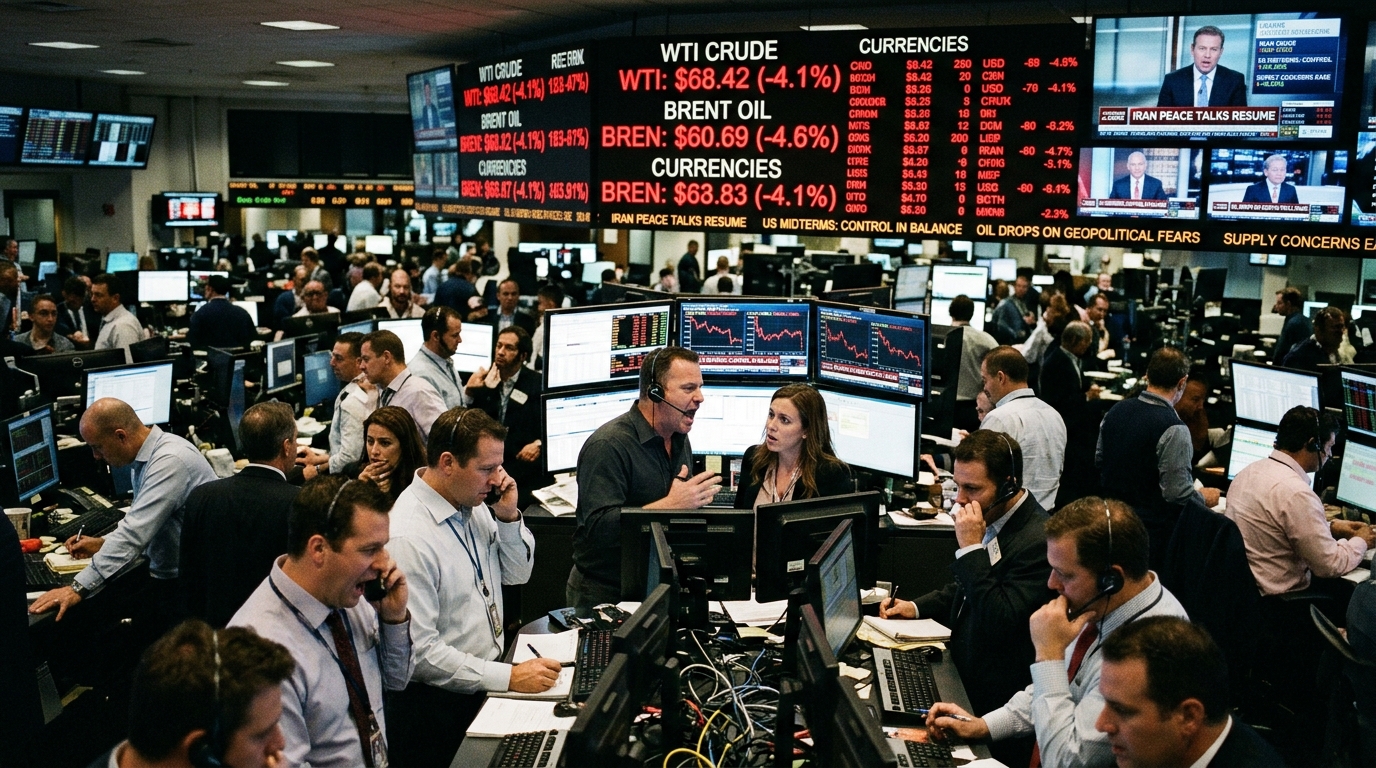
Oil’s sharp drop puts gasoline and inflation in focus
Crude oil prices sold off more than 7% on hopes tied to Iran peace talks ahead of the U.S. midterm elections, according to CNBC. MarketWatch separately focused on the consumer impact, asking how soon gasoline prices could fall now that oil is tumbling. Taken together, the coverage points to the same core market story: a sharp drop in crude is quickly shifting attention from geopolitics to inflation and consumer fuel costs.
This is a meaningful market development even after a volatile year for commodities. A move of more than 7% in crude is large enough to ripple across energy equities, inflation expectations and consumer sentiment. While the underlying catalyst in the CNBC headline is diplomatic hope around Iran, the broad market consequence is that cheaper oil can influence pricing assumptions far beyond the energy sector.
Why oil’s decline matters beyond commodities
Oil is both a commodity and a macro signal. When crude falls sharply, traders often reassess the path for headline inflation, transportation costs and fuel-sensitive consumer spending. Lower energy prices can ease pressure on households and businesses, though the speed and scale of pass-through to retail gasoline prices are never perfectly immediate.
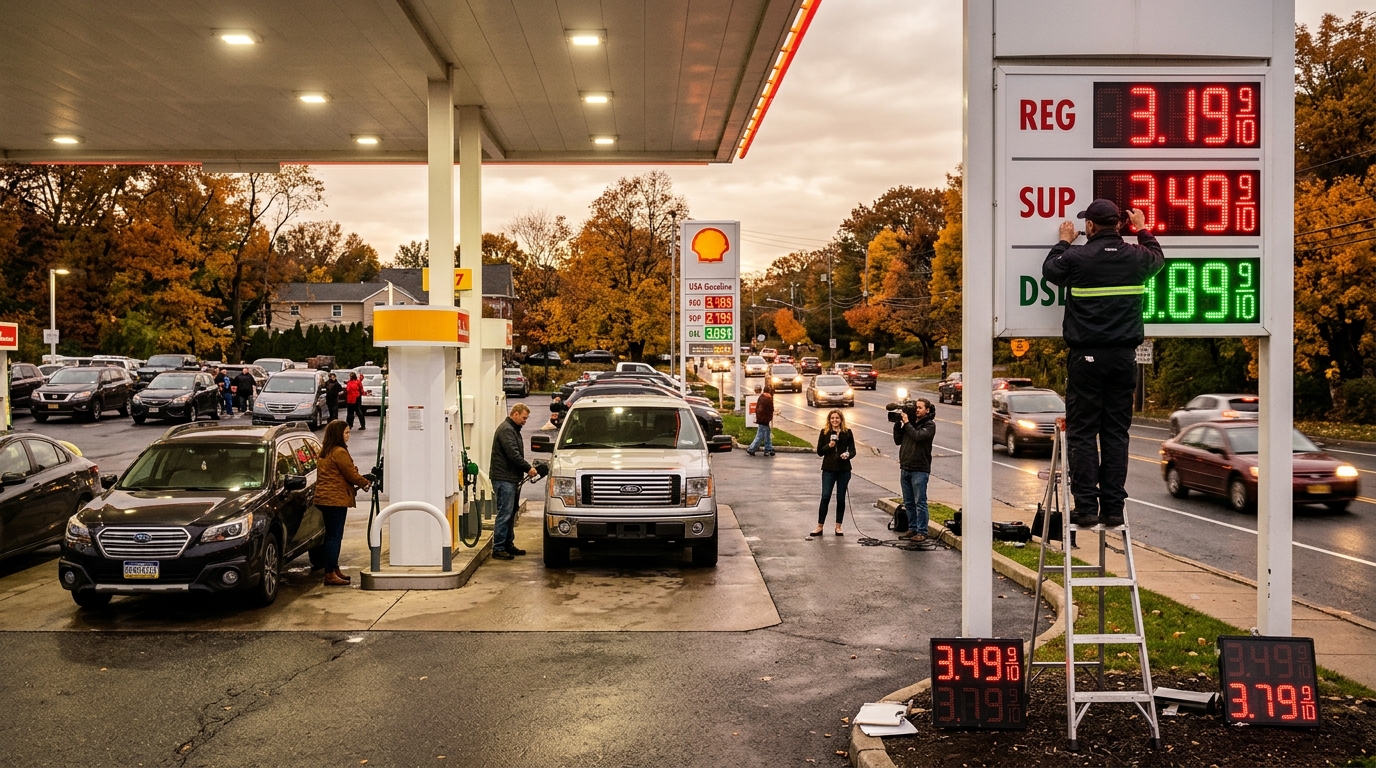
That is why the MarketWatch angle matters. If crude holds these lower levels, attention will turn to when consumers see relief at the pump. Retail gasoline prices depend on more than benchmark oil alone, including refining margins, local taxes and distribution costs. Still, crude is a major input, so a sustained slide tends to improve the odds of lower gasoline prices over time.
For broader markets, the move may also affect rate-sensitive assets. Energy is a visible component of inflation psychology, and a marked drop in oil can shape expectations around future price pressures. That does not determine central-bank policy by itself, but it can alter near-term market narratives around inflation resilience and consumer purchasing power.
What traders may watch next
The next question is whether this selloff reflects a lasting shift or a headline-driven move vulnerable to reversal. Because the CNBC report ties the decline to hopes around Iran talks, markets will likely remain highly sensitive to any confirmation, setback or change in diplomatic messaging. Oil can quickly retrace if geopolitical expectations change.
Investors are also likely to monitor how energy equities respond relative to the commodity itself. A large crude drop can weigh on producers while offering relief to fuel consumers, airlines and other transport-linked sectors. If lower oil persists, it may become a bigger macro story than a pure commodities story.
Another issue is timing. Consumers often notice pump prices later than futures traders notice crude moves. That lag can matter politically and economically, especially when fuel costs remain a major part of household budgets. MarketWatch’s emphasis on how soon gas prices could move highlights that the transmission from oil to consumers is important, not just the initial commodity swing.
Main implications from the move
- Commodity shock: CNBC reported a drop of more than 7% in crude prices.
- Consumer angle: MarketWatch highlighted the potential for lower gasoline prices if the decline is sustained.
- Macro significance: Lower oil can feed into inflation expectations, sector performance and sentiment around consumer spending.
The selloff does not by itself settle the direction of energy markets. Geopolitical headlines can turn quickly, and retail fuel prices do not always follow crude in a straight line. But a move of this size is significant enough that markets are likely to keep tracing its effects through inflation-sensitive assets and consumer-facing sectors.
Neutral outlook: In the near term, traders will likely watch whether diplomatic developments support further downside in crude and whether any lower oil price starts to translate into visible relief in gasoline markets.
MarketPro reports are AI-assisted analyses of publicly reported market news. Not investment advice.