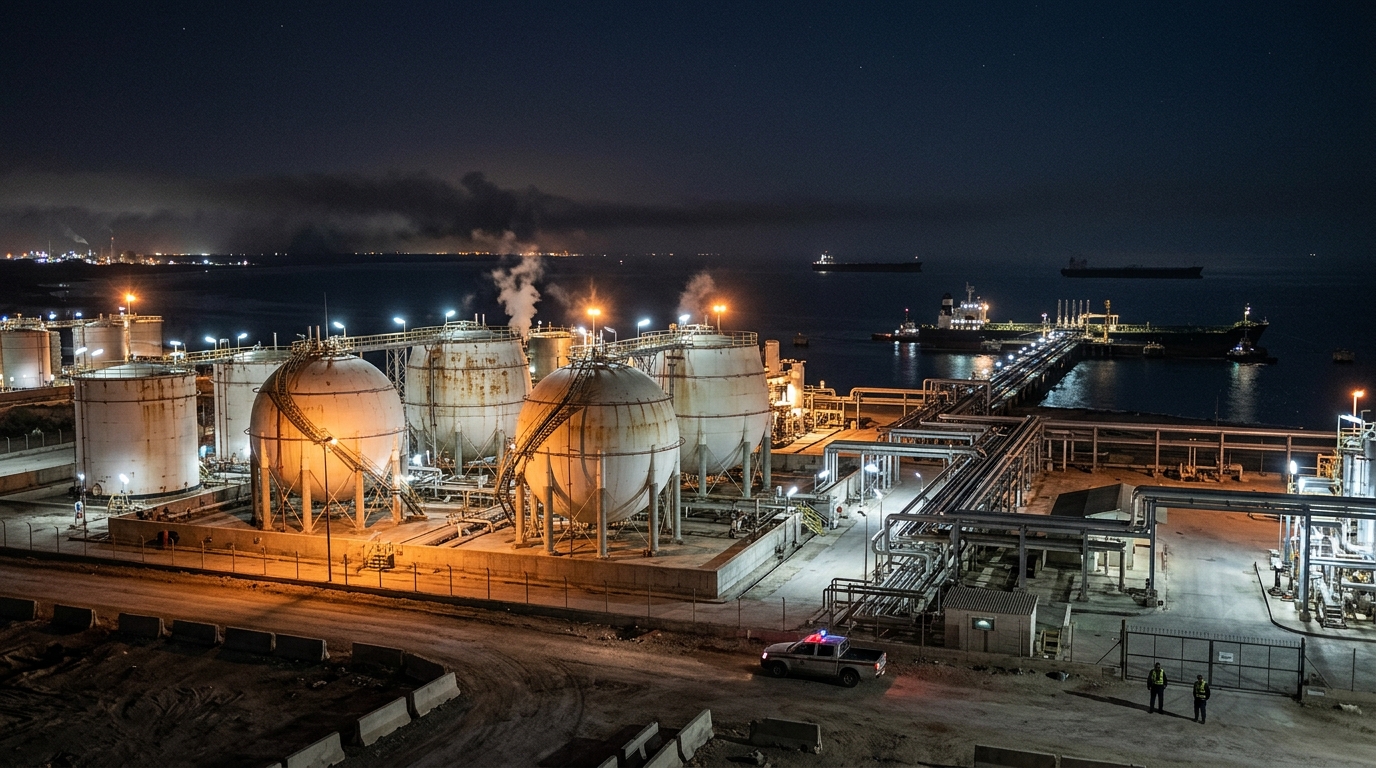
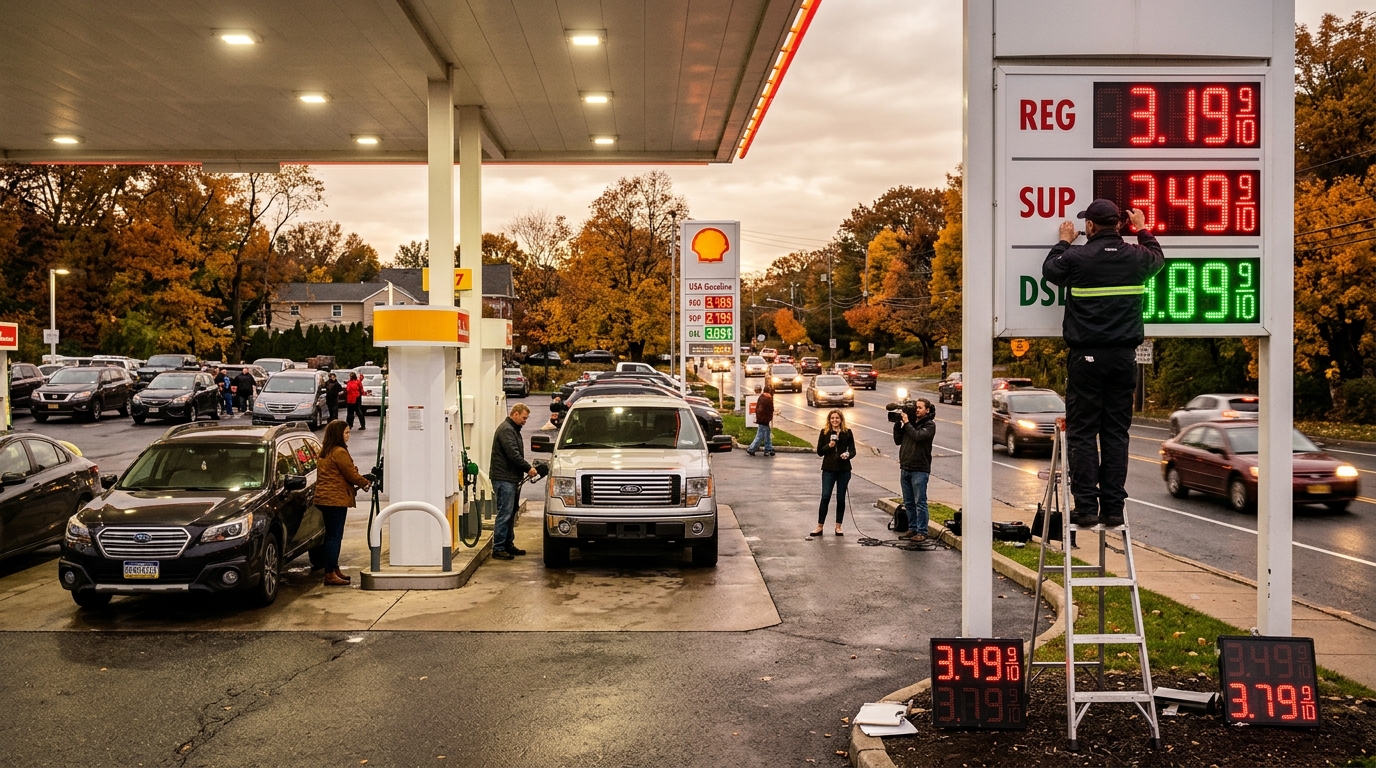
Oil slides on Iran peace-talk hopes ahead of U.S. midterms
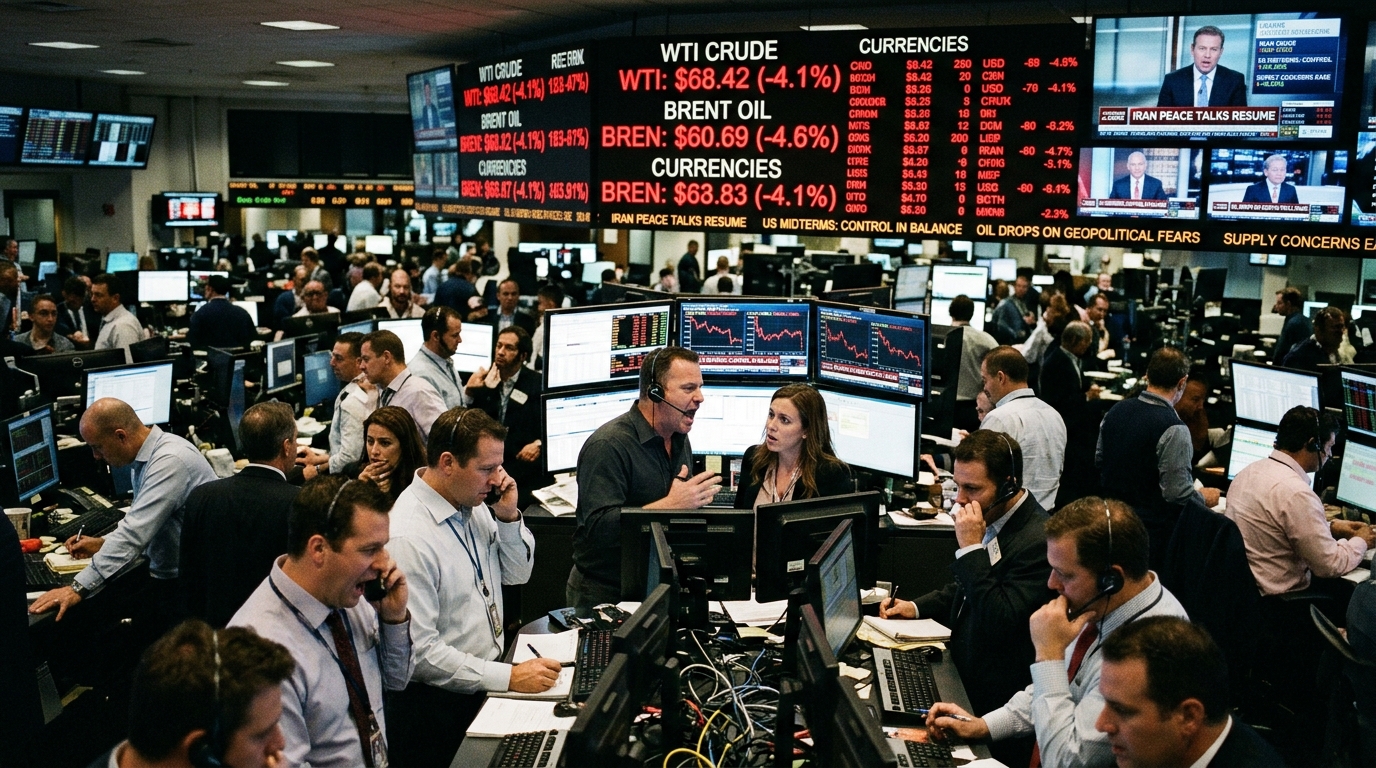
Crude oil prices moved lower on Monday, with the selloff linked to renewed hopes for progress in talks involving Iran, according to CNBC. The move put geopolitics back at the center of the energy market just as investors are also weighing how the U.S. midterm elections could reshape policy on sanctions, supply and inflation-sensitive energy costs.
CNBC reported that oil fell to a session low on optimism around Iran peace talks. While the headline did not provide a concrete diplomatic breakthrough, the market reaction itself is significant: oil remains highly sensitive to any sign that geopolitical risks in the Middle East could ease, or that sanctions-related supply constraints might eventually change.
That decline came even as another market narrative pointed in the opposite direction. MarketWatch separately reported that Goldman Sachs sees oil prices potentially averaging $130 a barrel next year. Although that is an outlook rather than a current market event, it shows how divided the oil debate remains: near-term prices can drop quickly on hopes of de-escalation, while longer-term forecasts still reflect concerns about tight supply and persistent geopolitical risk.
Why Iran headlines still move oil
For the oil market, Iran-related diplomacy matters because it can affect expectations for regional stability and future crude supply. Even without an immediate policy change, headlines suggesting lower tensions can trigger a risk premium unwind. Traders often price oil not only on current barrels, but also on the probability of disruption across major exporting regions.
Monday’s move highlights that dynamic. The market did not need a finalized agreement to react. Hopes alone were enough to push prices lower during the session, according to CNBC, showing how fragile recent energy gains may be when geopolitical assumptions change.
Midterms add another layer for investors
CNBC also reported separately that the U.S. midterm election could affect sectors including defense, healthcare, crypto and AI. Energy policy is closely tied to that broader election debate, even if Monday’s oil move was driven first by foreign-policy headlines rather than domestic legislation.
For markets, the significance of the midterms is less about an immediate election-night oil price formula and more about the policy backdrop. Investors will be watching whether the vote changes the tone around sanctions enforcement, strategic petroleum reserve policy, regulation affecting energy producers, and the broader inflation discussion that has kept fuel prices in political focus.
Because oil sits at the intersection of growth, inflation and geopolitics, it often responds to several narratives at once. That appears to be the case now: diplomatic optimism pushed prices down intraday, while broader medium-term supply concerns remain unresolved.
What the competing signals mean
The contrast between CNBC’s report on a session-low move and MarketWatch’s report on a bullish bank forecast underlines a familiar feature of commodity markets: short-term price action and longer-term expectations can diverge sharply.
- Near term: easing geopolitical fears can pressure prices lower quickly.
- Medium term: supply risks, producer discipline and demand uncertainty can still support a higher-price outlook.
- Policy backdrop: the U.S. election calendar may add volatility if investors reassess energy-related policy risks.
That mix helps explain why oil trading remains headline-driven. A single geopolitical development can move prices in one direction during the day, while banks and strategists continue to argue over a very different trajectory for the year ahead.
Broader market relevance
Oil matters well beyond the commodity complex. Lower crude prices can ease pressure on inflation expectations, transport costs and consumer fuel bills. Higher prices, by contrast, can complicate the policy outlook for central banks and weigh on growth-sensitive assets. That is one reason macro-focused readers continue to track oil so closely: it is both a geopolitical barometer and a cross-asset input.
Monday’s price drop therefore matters not just for energy traders, but also for investors watching inflation, currencies and election-sensitive sectors. If diplomacy gains traction, some of the geopolitical premium embedded in crude could continue to unwind. If talks disappoint or regional tensions flare again, that move could reverse just as quickly.
Neutral outlook: For now, the oil market is balancing immediate optimism around Iran-related diplomacy against unresolved supply and policy questions. Further moves are likely to depend on whether those peace-talk hopes turn into verifiable developments, according to CNBC and MarketWatch reports.
MarketPro reports are AI-assisted analyses of publicly reported market news. Not investment advice.