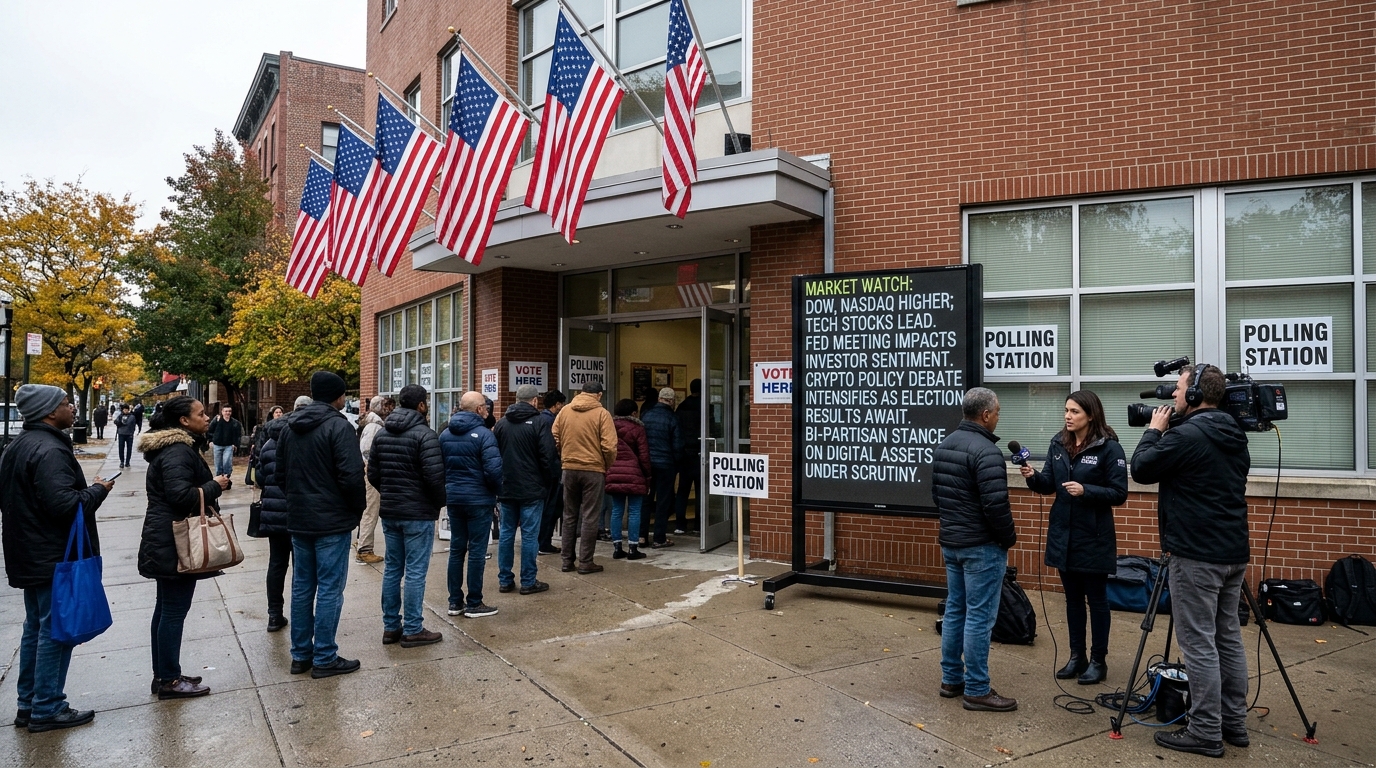
September job openings jump, signaling firmer U.S. labor demand
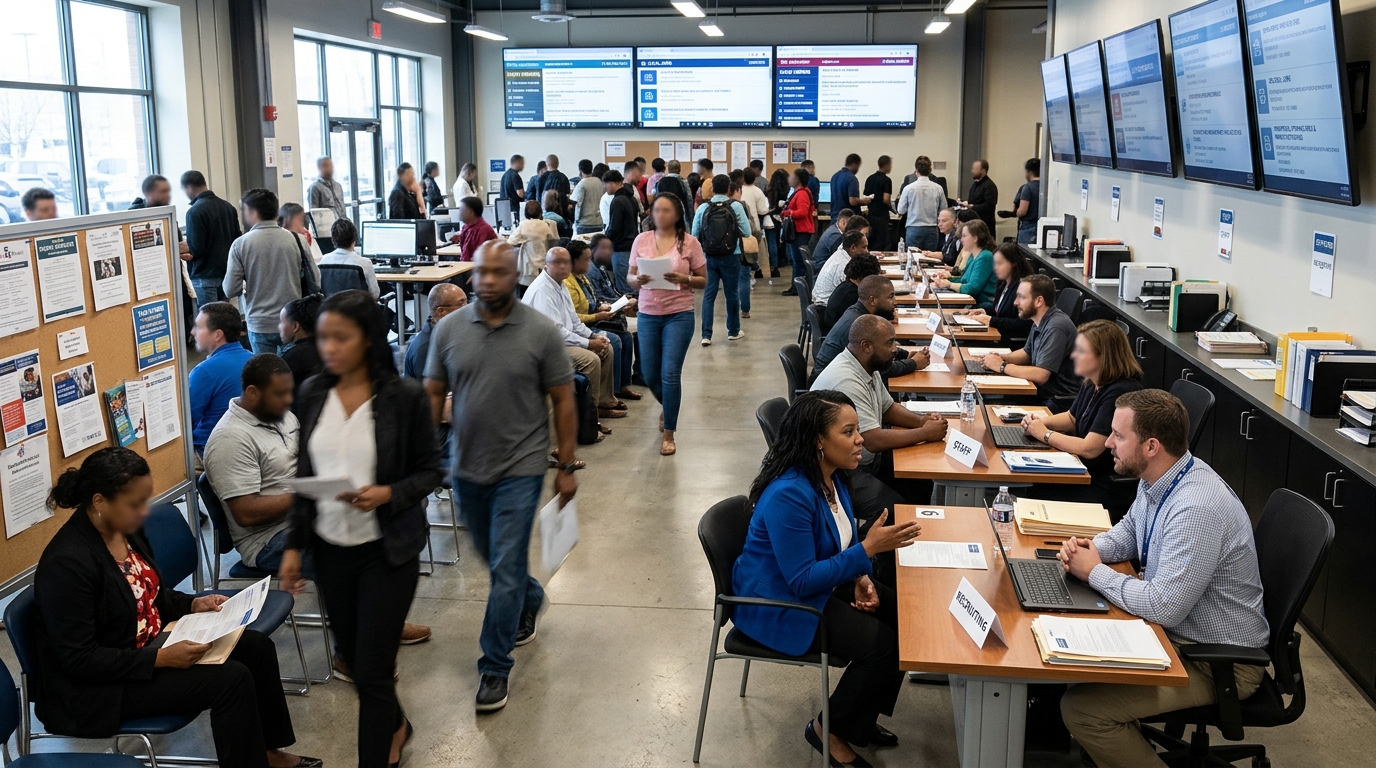
U.S. job openings posted a strong gain in September, offering a fresh sign that labor demand may be holding up better than some investors feared ahead of the next payrolls report.
CNBC reported that job openings showed a big September increase in a positive sign for the labor market ahead of payrolls. MarketWatch, in a separate headline, said the U.S. jobs market had perked up, while adding that it is still not a great time to get hired. Taken together, those reports point to a labor backdrop that is improving in headline demand but remains uneven beneath the surface.
Why job openings matter for markets
The job-openings data are closely watched because they help investors judge whether economic growth is cooling, stabilizing or reaccelerating. A rise in openings can indicate that employers still want to hire, which may support consumer spending and reduce near-term recession worries.
At the same time, stronger labor-demand indicators can complicate expectations for monetary policy if they suggest wage pressures or economic resilience remain in place. That is why the report matters not just for economists, but also for stocks, bonds, currencies and rate-sensitive sectors.
CNBC framed the increase as a positive signal ahead of payrolls, while MarketWatch added important caution: stronger openings do not automatically translate into an easier experience for job seekers. In other words, demand may be improving, but matching workers to jobs can still be difficult.
A mixed but important labor signal
The combination of the two reports suggests the labor market is not sending a simple message. More openings can be read as evidence that companies are still willing to expand payrolls or replace workers. But MarketWatch’s characterization that it is still not a great time to get hired implies that hiring conditions may remain selective.
For markets, that distinction matters. A labor market can look solid in aggregate while still showing friction at the individual level, especially if firms post positions cautiously, take longer to hire or remain focused on a narrow set of skills.
That nuance may help explain why investors often react differently to openings data than to the monthly payrolls report. Job openings measure demand for workers, while payrolls show how much hiring actually happened. If openings rise but hiring remains slower, markets may interpret that as resilience without overheating.
What it means across asset classes
For equities, a firmer openings report can support cyclical sectors if investors conclude that household income and spending will remain durable. For fixed income, the reaction depends on whether traders think the data point to sticky economic strength or simply a steadier landing.
The dollar can also be sensitive to labor data because employment trends influence rate expectations. Although today’s headline set did not include a separate forex-specific central-bank story, labor reports remain one of the most direct macro inputs for currency markets.
Reader interest on MarketPro has leaned heavily toward broad macro coverage, and this report fits that pattern. Employment data sit at the center of the market narrative because they feed into growth expectations, policy assumptions and risk appetite all at once.
Payrolls now take center stage
The next test is whether payrolls confirm the stronger signal from job openings. According to CNBC, the latest openings data come just ahead of that release, giving investors one more labor-market marker to incorporate before a bigger consensus-setting event.
MarketWatch’s more cautious framing is also a reminder not to overread one release. A perkier jobs market is not the same as a fully broad-based hiring rebound, and businesses may still be acting conservatively even as they keep requisitions open.
Neutral outlook: Based on CNBC and MarketWatch reporting, September’s increase in job openings points to firmer labor demand, but not necessarily a uniformly stronger hiring environment. Markets are likely to use the report as a constructive signal while waiting for payrolls data to confirm whether the labor market is truly reaccelerating or simply stabilizing.
MarketPro reports are AI-assisted analyses of publicly reported market news. Not investment advice.