Australia crypto derivatives caps add to global rulebook
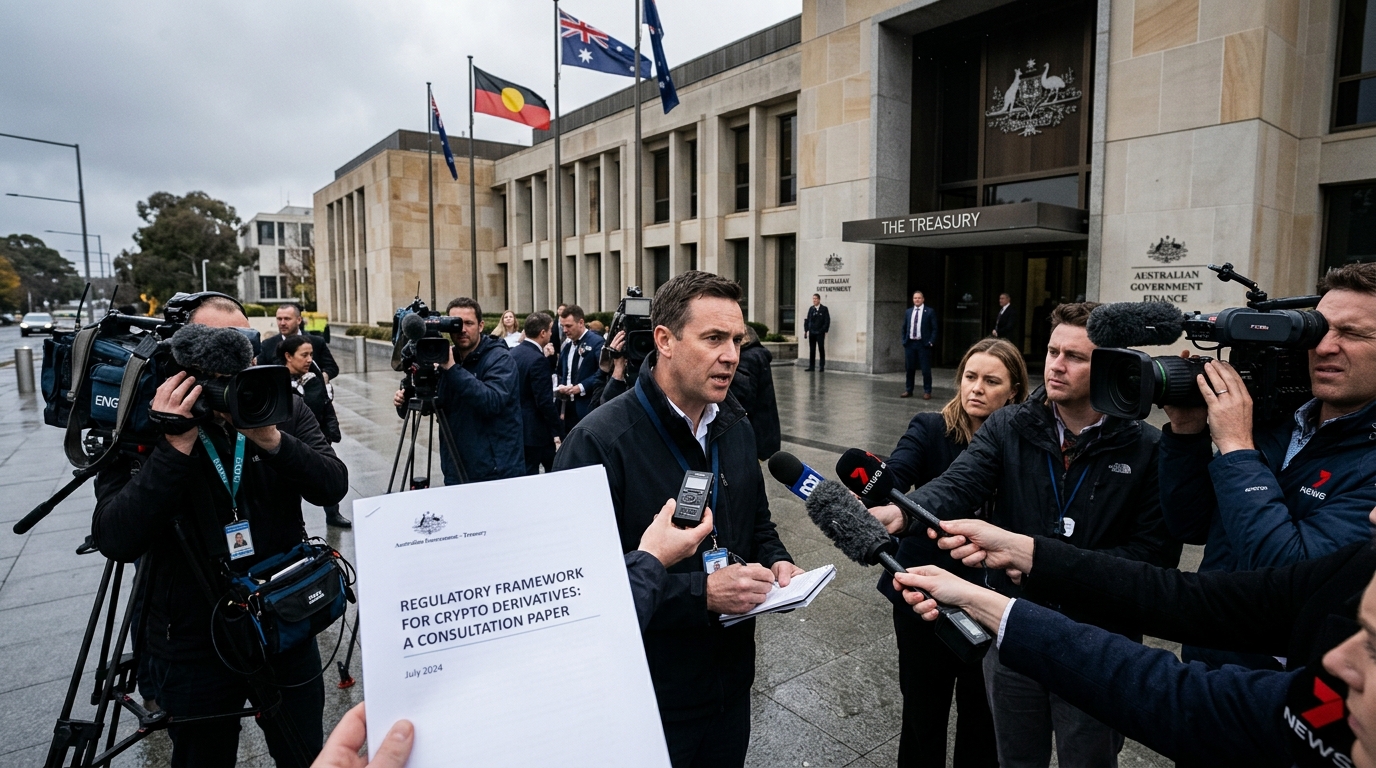
Australia’s proposal to cap leverage on crypto-settled derivatives is the latest sign that digital-asset regulation is moving deeper into market structure and risk controls rather than focusing only on licensing and disclosure. According to Cointelegraph, Australian authorities have proposed leverage limits for these products, a step that would place tighter boundaries around one of the most volatile corners of the crypto market.
The timing matters for investors because regulators globally are increasingly treating leverage, stablecoin resilience and cross-border supervision as linked issues. On the same day, Cointelegraph also reported that a global watchdog flagged stablecoin risks and AI-related threats ahead of the G20. Taken together, the headlines point to a consistent policy direction: authorities are trying to reduce the chance that crypto market stress spills into broader financial channels.
Why leverage caps matter
Crypto-settled derivatives allow traders to take amplified positions using digital assets as collateral or settlement instruments. That can increase market activity in calm periods, but it can also accelerate losses when prices move sharply. By proposing leverage caps, Australia appears to be targeting the mechanics that can turn a routine selloff into a disorderly liquidation cycle.
For the market, that is important because leverage has often been a fault line in crypto downturns. When collateral values fall at the same time positions are forced to unwind, price swings can deepen quickly. Regulators have increasingly focused on whether such structures create risks for retail users, exchanges and any banks or payment firms with indirect links to the market.
Australia’s approach therefore fits a wider regulatory pattern: make crypto trading infrastructure look more like conventional financial plumbing, with clearer limits around risk-taking.
A broader global push is taking shape
The Australian proposal does not stand alone. The Cointelegraph report on global watchdog concerns ahead of the G20 suggests policymakers are discussing digital-asset risks in a more coordinated way. Stablecoins remain a key focus because they connect trading venues, payments and liquidity pools. If regulators are simultaneously tightening derivatives rules and highlighting stablecoin vulnerabilities, the implication is that they are looking at the full chain of market stress, from leverage build-up to settlement pressure.
That broader lens matters for institutions exploring crypto services. According to Cointelegraph, Kraken’s parent has cleared Dubai’s final hurdle for a dirham trading rollout, and Standard Chartered added Ripple USD custody while exploring a collateral arrangement with LMAX. Those developments point to continued institutional buildout, but under increasingly formal supervision.
In other words, the market is seeing two trends at once: more regulated adoption in selected jurisdictions, and more direct constraints on products considered high risk.
What investors may watch next
Australia’s proposed caps are notable less for immediate market size than for what they may signal internationally. If other regulators adopt similar restrictions, several effects could follow:
- Lower speculative intensity in highly leveraged retail trading.
- Migration toward regulated venues with clearer compliance standards.
- Pressure on product design as platforms adjust margin terms and collateral practices.
- Greater separation between institutional crypto services and high-risk retail derivatives activity.
For market participants, the key question is whether tighter leverage rules reduce instability without significantly harming liquidity. Supporters would argue that lower leverage can make the market more durable. Critics may say it pushes activity offshore. The current direction of travel, however, appears clear: policymakers want fewer points where rapid price moves can trigger broader disruption.
Why this matters beyond crypto
This story also carries a wider financial-markets angle. As banks, custodians and payment providers test more digital-asset services, regulators are under pressure to ensure that speculative structures do not undermine confidence in adjacent parts of the system. That is why discussion of derivatives, stablecoins and cross-border standards is increasingly happening together.
Australia’s proposal adds another example of that shift from headline-grabbing enforcement toward detailed market-rule design. For investors, that usually means regulation is becoming more durable, more technical and more relevant to valuation across exchanges, brokers and crypto service providers.
Neutral outlook: Australia’s proposed leverage caps do not settle the global crypto rulebook, but they reinforce a clear trend toward tighter controls on riskier products even as regulated digital-asset infrastructure continues to expand.
MarketPro reports are AI-assisted analyses of publicly reported market news. Not investment advice.