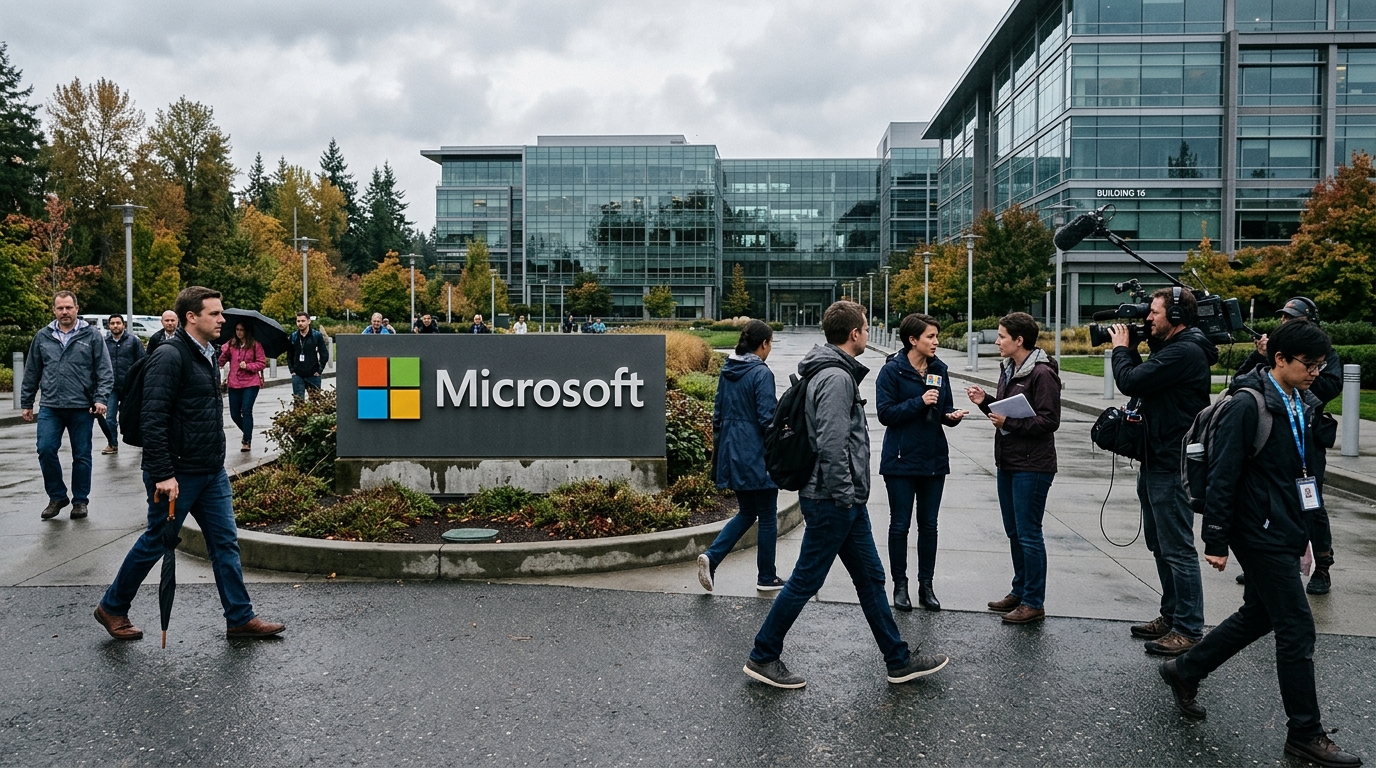
Microsoft chip pivot puts new focus on Nvidia dependence
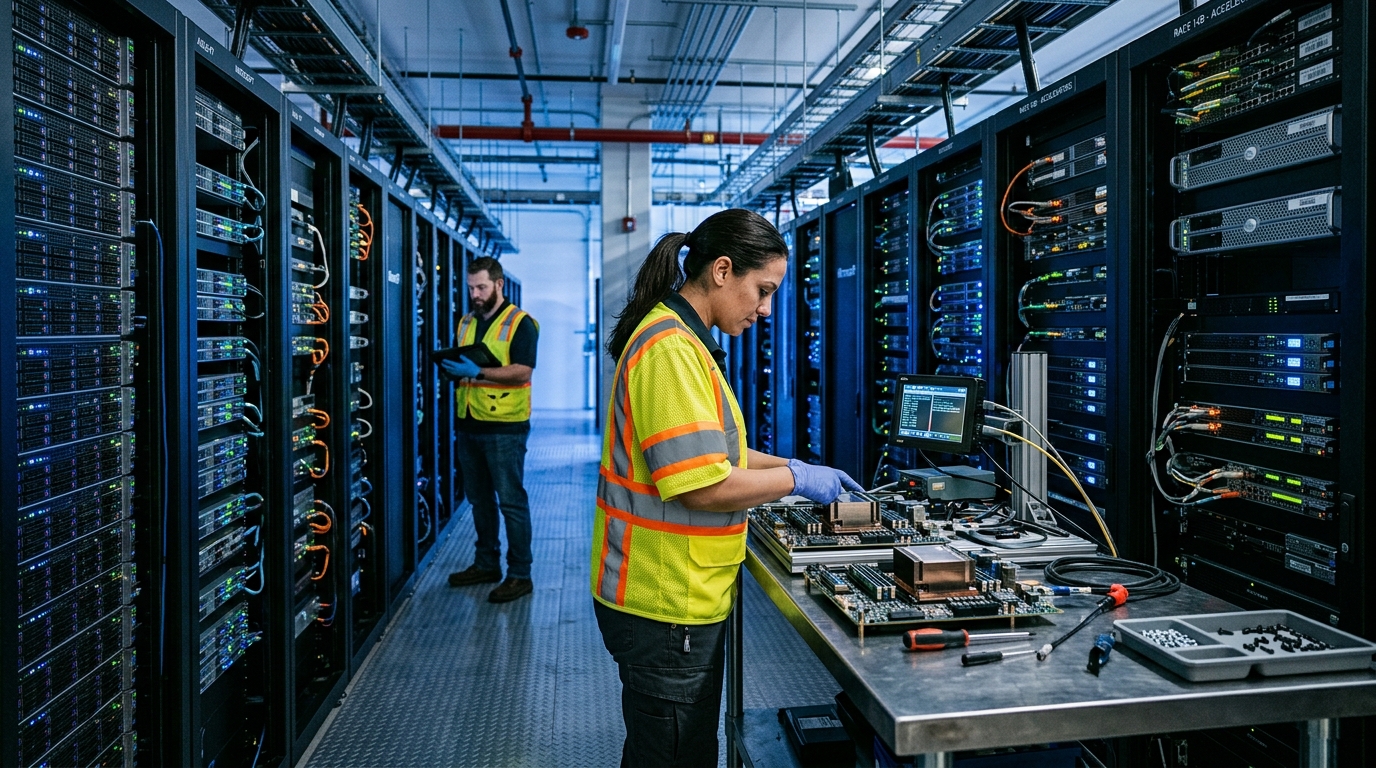
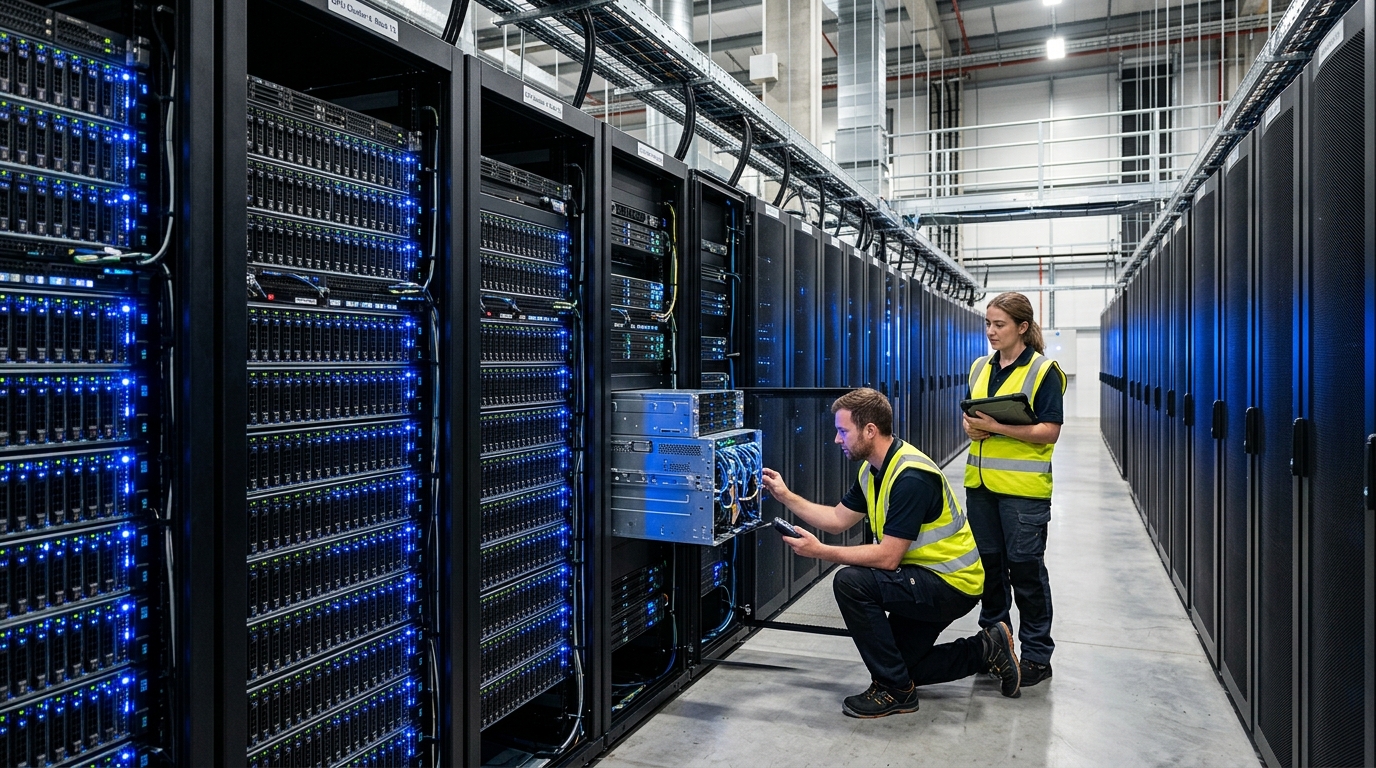
Microsoft’s plan to rely more on its own artificial-intelligence chips marks a notable shift in one of the market’s most closely watched supply chains. According to CNBC, the company is set to increase its use of homegrown AI semiconductors, reducing its dependence on Nvidia as demand for AI computing keeps reshaping spending plans across the technology sector.
The development matters well beyond the two companies involved. Large cloud providers have become the financial engine of the AI infrastructure boom, and investor expectations around chipmakers, server suppliers and data-center equipment firms have increasingly rested on the assumption that spending will remain both large and concentrated. A move by Microsoft toward internal silicon suggests that the next phase of AI investment may be less about buying as many third-party accelerators as possible and more about controlling cost, supply and performance inside hyperscale networks.
Why Microsoft’s shift matters
For the market, the central issue is not whether Nvidia suddenly loses its leading position. CNBC’s report points instead to a gradual rebalancing: Microsoft wants more flexibility in how it builds and deploys AI capacity. That is important because cloud operators have faced persistent pressure from high chip costs, supply constraints and the need to tailor systems for different AI workloads.
Using in-house chips can help a cloud provider pursue several goals at once. It may improve bargaining power with external suppliers, offer tighter integration between software and hardware, and create room to optimize costs for inference and other tasks that do not always require the most advanced general-purpose AI accelerators. For investors, that broadens the conversation from pure demand growth to the composition of that demand.
Microsoft is also not alone in pursuing custom silicon. The broader industry trend has been toward internal chip design among the biggest platform companies, especially where scale is large enough to justify the investment. That means markets may need to watch not only total AI capital expenditure, but also where the economics of that spending are flowing.
Nvidia still sits at the center
Even so, the report does not suggest a sudden break with Nvidia. The company remains central to AI training and high-performance computing, and its ecosystem advantages have been a major reason customers have stayed closely tied to its hardware and software stack. A Microsoft shift toward more internal chips may reduce some future concentration risk, but it does not necessarily remove Nvidia from the center of enterprise AI buildouts.
Instead, the more practical reading is that hyperscalers are trying to build a more diversified supply model. That matters because investors have increasingly debated how durable today’s AI spending surge will be, especially as costs rise across power, networking and facility construction. In that context, custom chips can be seen as part of a broader effort to make AI economics more manageable over time.
What it could mean for the broader chip trade
Microsoft’s reported direction may have ripple effects across semiconductor and infrastructure names. If major cloud groups put more emphasis on internal silicon, investors may begin paying closer attention to:
- Foundry and manufacturing partners that could benefit from outsourced production of custom AI chips.
- Memory, packaging and networking suppliers that remain essential regardless of whose logo is on the processor.
- Server and testing companies exposed to AI system complexity rather than a single chip vendor.
Several other chip-related headlines on the wire underscored how wide that ecosystem has become. According to Investing.com, Texas Instruments unveiled a chip for nanosecond monitoring in AI data centers, Teradyne launched a test system for edge AI chips, and AMD introduced an AI rack product with flexible configurations. Those announcements do not directly confirm Microsoft’s strategy, but they do support the broader market picture: AI infrastructure spending is expanding into power management, testing and system architecture, not just accelerators.
A cost and control story, not only a technology story
The market significance of Microsoft’s move is as much financial as technical. Investors have become highly sensitive to whether AI returns will justify the scale of data-center outlays. Custom chips offer one path toward better control over procurement, deployment and operating efficiency. In other words, this is not simply a research-and-development story; it is also a capital-allocation story.
That makes Microsoft’s reported pivot relevant for equity investors trying to assess where AI profits may settle over the medium term. If more value is retained inside cloud platforms through internal hardware design, the gains from AI adoption could become more broadly distributed across software, infrastructure and manufacturing partners rather than remaining concentrated in a handful of merchant chip suppliers.
Neutral outlook: Microsoft’s reported push into more homegrown AI chips does not overturn the current AI hierarchy, but it does add a new market question: whether the next stage of AI spending favors scale and customization over dependence on a single supplier.
MarketPro reports are AI-assisted analyses of publicly reported market news. Not investment advice.