Microsoft visa scrutiny puts tech hiring under market lens
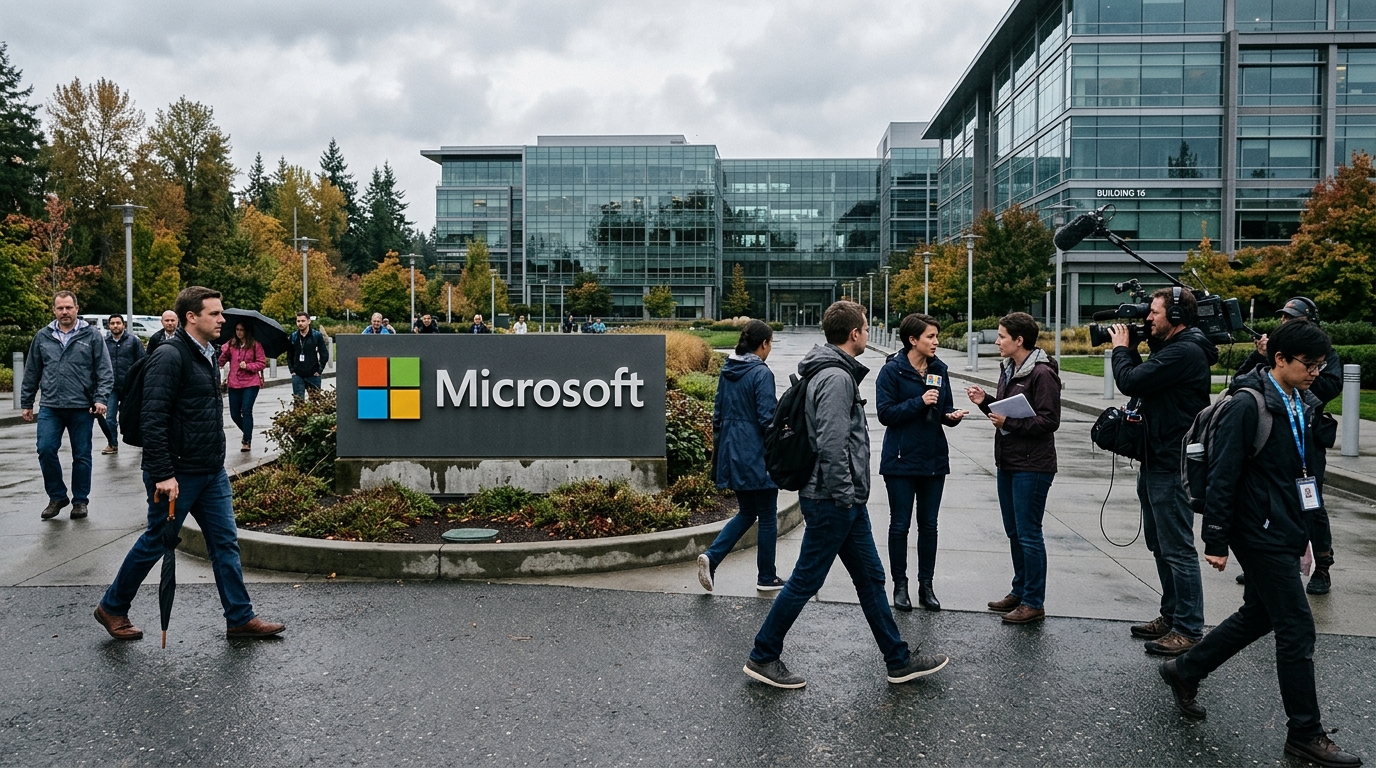
Microsoft is back in focus for investors after two separate CNBC reports put the company at the center of debates over technology hiring, automation and AI governance.
In one report, CNBC examined claims by J.D. Vance that Microsoft replaced laid-off workers with foreign hires, framing the issue around visa data and the broader U.S. debate over skilled immigration. In another, CNBC reported that Chief Executive Satya Nadella said artificial intelligence needs an “emergency brake” controlled by humans, adding a governance angle to the market’s longstanding AI growth narrative.
Taken together, the two developments matter because Microsoft is one of the market’s most closely watched companies on both labor productivity and enterprise AI spending. Any shift in how investors think about its workforce strategy, political exposure or AI controls can influence sentiment well beyond a single stock.
Why the hiring story matters
The labor question is not just political. For markets, it goes to the heart of how large technology companies manage costs while sustaining growth in cloud, software and AI. According to CNBC, the central issue is whether public accusations about replacing domestic workers with foreign hires are supported by the available visa data.
Visa data can be politically powerful, but investors typically look for a narrower set of implications:
- Regulatory risk: scrutiny of hiring practices can raise the prospect of congressional attention or tighter immigration rules.
- Cost structure: changes in access to skilled workers can affect recruiting costs and execution timelines.
- Reputation risk: labor controversies can shape public and customer perception at a time when large tech groups are already under pressure over AI and workforce change.
Microsoft has been a central beneficiary of the AI buildout, so any labor-related controversy can quickly become part of a larger investor debate about who captures the gains from automation and how companies balance efficiency with political and social expectations.
Nadella’s AI “emergency brake” comments add a second layer
CNBC separately reported that Nadella said AI systems need an emergency brake that humans control. Those remarks stand out because they come from the leader of a company deeply tied to commercial AI deployment through cloud infrastructure, productivity software and strategic partnerships.
For investors, the significance is less about a single phrase and more about what it signals:
- Governance is becoming a product issue: customers may increasingly expect visible safeguards before expanding AI use.
- Regulation may favor incumbents: large companies with compliance resources may be better positioned if AI oversight intensifies.
- Adoption could become more selective: enterprises may push ahead on AI, but with stronger demand for human oversight and controls.
This does not weaken the long-term AI spending theme by itself. But it suggests the market is moving from pure enthusiasm about capacity and deployment toward tougher questions about accountability, operating risk and implementation standards.
Broader market read-through
Microsoft’s importance means the story reaches beyond one company. Large-cap technology valuations still depend heavily on confidence in durable AI demand, disciplined capital spending and manageable policy risk. The company’s labor scrutiny and its chief executive’s caution on control mechanisms both speak to those themes.
That matters for suppliers, software peers and enterprise customers alike. If investors see labor and governance issues as manageable, the episode may be treated as noise around a still-intact AI growth story. If not, it could sharpen concern that the next phase of AI adoption will be slower, more regulated and more politically contested than the market had hoped.
The tone of the current headlines does not establish a direct financial hit to Microsoft. But according to CNBC’s reporting, they do show that the AI trade is no longer only about demand for chips, cloud capacity and software tools. It is also about the workforce and control systems behind them.
What investors may watch next
- Any additional disclosure around hiring patterns or visa usage.
- Management commentary on AI safeguards, enterprise deployment and human oversight.
- Policy reaction from U.S. lawmakers or regulators on skilled immigration and AI accountability.
Neutral outlook: Microsoft remains central to the AI investment story, but the latest headlines suggest markets may need to weigh political and governance questions more heavily alongside growth expectations.
MarketPro reports are AI-assisted analyses of publicly reported market news. Not investment advice.