Buffett Tightens Berkshire Succession and Governance Plan
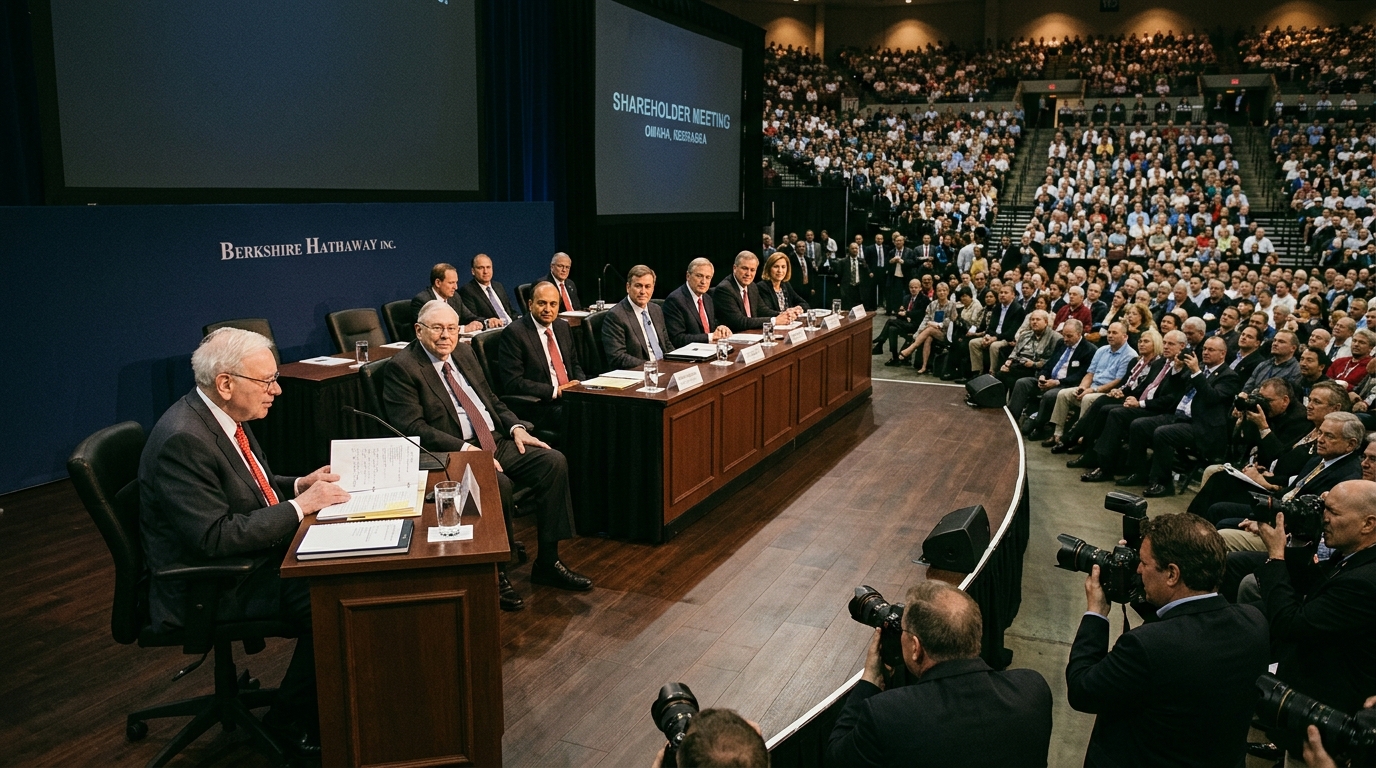
Warren Buffett has taken another step in shaping how Berkshire Hathaway could be governed after his tenure, a development that matters well beyond one company because Berkshire remains one of the most closely followed bellwethers in global equities.
According to CNBC, Buffett’s latest move is part of a broader effort to keep Berkshire from drifting away from the operating principles that have defined the conglomerate for decades. While investors have long focused on the eventual management handoff, the governance side of that transition is increasingly becoming just as important.
Why this matters for markets
Berkshire Hathaway is not just another large-cap stock. Its structure spans insurance, rail, energy, manufacturing, consumer businesses and a sizable investment portfolio. That breadth means changes to its leadership framework are watched as a read-through for corporate governance, capital allocation discipline and long-term shareholder stewardship.
CNBC’s report suggests Buffett is thinking beyond naming successors and is instead trying to reduce the risk that Berkshire’s culture could erode over time. For markets, that is significant because much of Berkshire’s valuation premium has been tied to investor confidence in its decentralized model and its reputation for rational capital deployment.
Recent reader data at MarketPro has shown continued interest in Berkshire-related coverage, and that fits a wider market pattern: when uncertainty around rates, geopolitics and growth is elevated, investors often pay closer attention to durable corporate structures and management credibility.
Governance is becoming part of the Berkshire story
The core issue is no longer simply who leads Berkshire next. It is whether the company can preserve the decision-making framework that shareholders associate with Buffett. That includes patience on acquisitions, a high threshold for major deals, flexibility on cash, and a relatively hands-off approach to subsidiary management.
CNBC framed the latest step as part of a plan to keep Berkshire from straying. That wording is notable because it indicates the concern is not operational continuity alone, but strategic continuity. In other words, investors are being asked to assess whether Berkshire can remain Berkshire without Buffett personally in the center of every major decision.
That question matters because large conglomerates often face pressure to change once a founder or defining leader exits. Those changes can include breakups, more aggressive dealmaking, new leverage strategies or shifts in shareholder return policy. Even if none of those are imminent, Buffett’s planning appears aimed at reducing uncertainty around that risk.
What shareholders will likely focus on
There are several reasons the market is likely to treat this as more than a symbolic update:
- Board oversight: Investors will want evidence that the board can preserve Berkshire’s long-term philosophy.
- Capital allocation: Berkshire’s investment and cash deployment model has been central to its identity.
- Succession credibility: Markets typically respond better when leadership transitions are structured rather than improvised.
- Cultural durability: Berkshire’s decentralized approach is hard to replicate without clear guardrails.
The emphasis on governance also comes at a time when markets have become more sensitive to key-person risk. Across sectors, shareholders increasingly want clarity on what happens after high-profile founders step back, especially in companies where culture and capital discipline are closely tied to one individual.
A broader signal for U.S. equities
Berkshire’s transition planning may also be read as part of a larger trend in U.S. equity markets: leadership succession is becoming a valuation issue, not just a boardroom issue. Companies with strong operating assets can still face investor skepticism if their post-founder governance looks underdeveloped.
That is one reason Buffett’s move is likely to resonate with institutional investors. Berkshire has often been viewed as a model of patient corporate management. Any effort to formalize that model for the future could help reassure shareholders that the company’s structure is intended to outlast its iconic chairman.
CNBC did not present this as a sudden strategic shift, but rather as the next step in an ongoing process. That framing matters because continuity usually supports market confidence more than abrupt change does.
Neutral outlook
The latest governance step does not by itself change Berkshire’s earnings power or portfolio exposure, but it does add to the market’s understanding of how the company may navigate an eventual post-Buffett era. According to CNBC, the message is one of continuity. Investors will now watch how that continuity is translated into durable board and management structures.
MarketPro reports are AI-assisted analyses of publicly reported market news. Not investment advice.