Walmart’s Medicare Push Adds to Consumer Health Competition
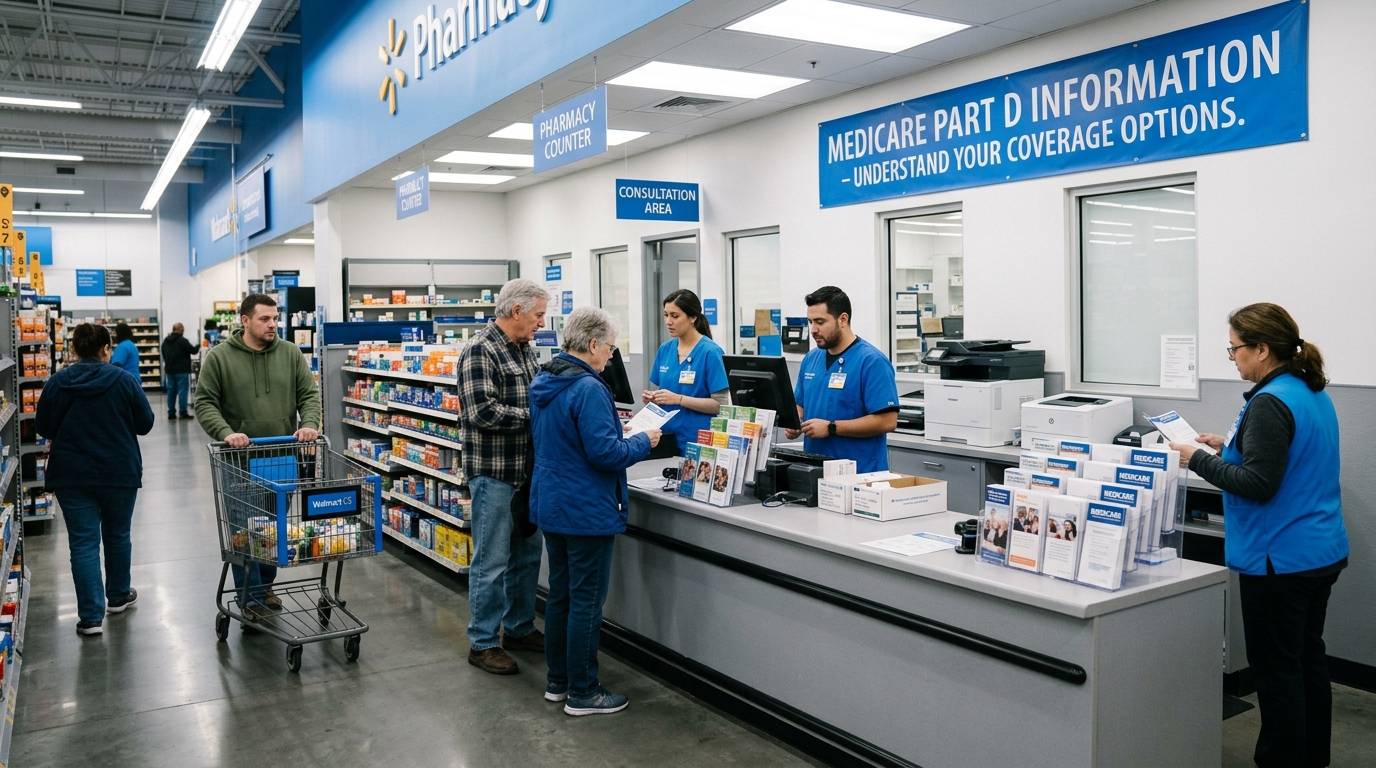
Walmart’s decision to sell Medicare Advantage plans is the latest sign that large retailers want a bigger role in how U.S. consumers shop for healthcare and insurance, extending a trend that has implications for household spending, healthcare distribution and competitive pressure across consumer-facing sectors.
According to a MarketWatch report, Walmart is following a path that has also been associated with Costco, using its broad retail footprint to connect shoppers with Medicare Advantage coverage. While this is not a wholesale reinvention of the health insurance market, it is another example of major chains trying to turn routine consumer traffic into financial and healthcare services relationships.
Why markets should pay attention
For investors and policymakers, this is not just a retail headline. Medicare Advantage sits at the intersection of healthcare costs, aging demographics and consumer choice. When a company like Walmart moves deeper into the category, it can influence how plans are marketed, compared and distributed to millions of Americans.
That matters because retailers with national scale can lower friction in categories that many consumers find confusing. A familiar in-store brand, pharmacy presence and existing customer base can create a distribution advantage even without changing the underlying economics of insurance itself.
MarketWatch’s report points to a competitive model in which nontraditional channels help consumers shop for coverage. In practice, that could increase pressure on brokers, benefit platforms and health-service intermediaries that have long played a larger role in plan discovery.
The consumer-economy angle
The move also reflects a broader reality in the U.S. economy: healthcare has become a larger part of how households think about monthly affordability. Even when headline economic data look resilient, consumers remain highly sensitive to recurring bills, out-of-pocket costs and benefit choices.
That consumer budget angle helps explain why retailers are interested. Companies such as Walmart already compete heavily on essentials. Adding healthcare-adjacent offerings can deepen engagement with customers who are making frequent decisions about value, convenience and recurring expenses.
In that sense, the strategy is about more than insurance distribution. It is part of an effort to become more central to the customer relationship, especially in categories that generate repeat interaction and trust.
Implications for retail and healthcare players
Several competitive themes stand out from MarketWatch’s reporting:
- Retail diversification: Walmart continues to use its scale beyond traditional merchandise sales.
- Healthcare access points: Pharmacies and in-store service counters can serve as entry points for insurance enrollment discussions.
- Demographic opportunity: Medicare-related services align with the needs of an aging population.
- Distribution pressure: Existing insurance marketing channels may face more competition from household retail brands.
The development also fits a long-running market theme in which healthcare and retail increasingly overlap. Investors have seen versions of this in pharmacy expansion, clinic models, wellness offerings and insurer-provider partnerships. Walmart’s latest step adds another layer to that convergence.
Why this may be durable
Unlike one-off promotional efforts, Medicare-related services connect to structural trends. The U.S. population is aging, healthcare choices remain complex, and trusted consumer brands continue to look for adjacent revenue streams. Those factors suggest the retail-health crossover is unlikely to fade quickly.
At the same time, execution still matters. Selling access to plans is different from building a profitable, scalable healthcare ecosystem. Retailers can attract attention, but sustained advantage depends on compliance, service quality and the ability to guide consumers through complicated benefit decisions.
That means the story is best understood as incremental but meaningful. Walmart is not remaking the healthcare system overnight, but it is reinforcing the idea that large retailers can play a larger role in financial and medical decision pathways.
Neutral outlook
According to MarketWatch, Walmart’s Medicare Advantage expansion adds to a growing contest over who controls the consumer health relationship. The market significance lies less in any immediate revenue impact and more in the longer-term shift toward retail-led distribution in essential services. Investors will likely watch whether this strategy broadens customer loyalty and opens the door to additional healthcare offerings.
MarketPro reports are AI-assisted analyses of publicly reported market news. Not investment advice.