Crypto Faces Fresh Scrutiny as IRS and NY AG Moves Emerge
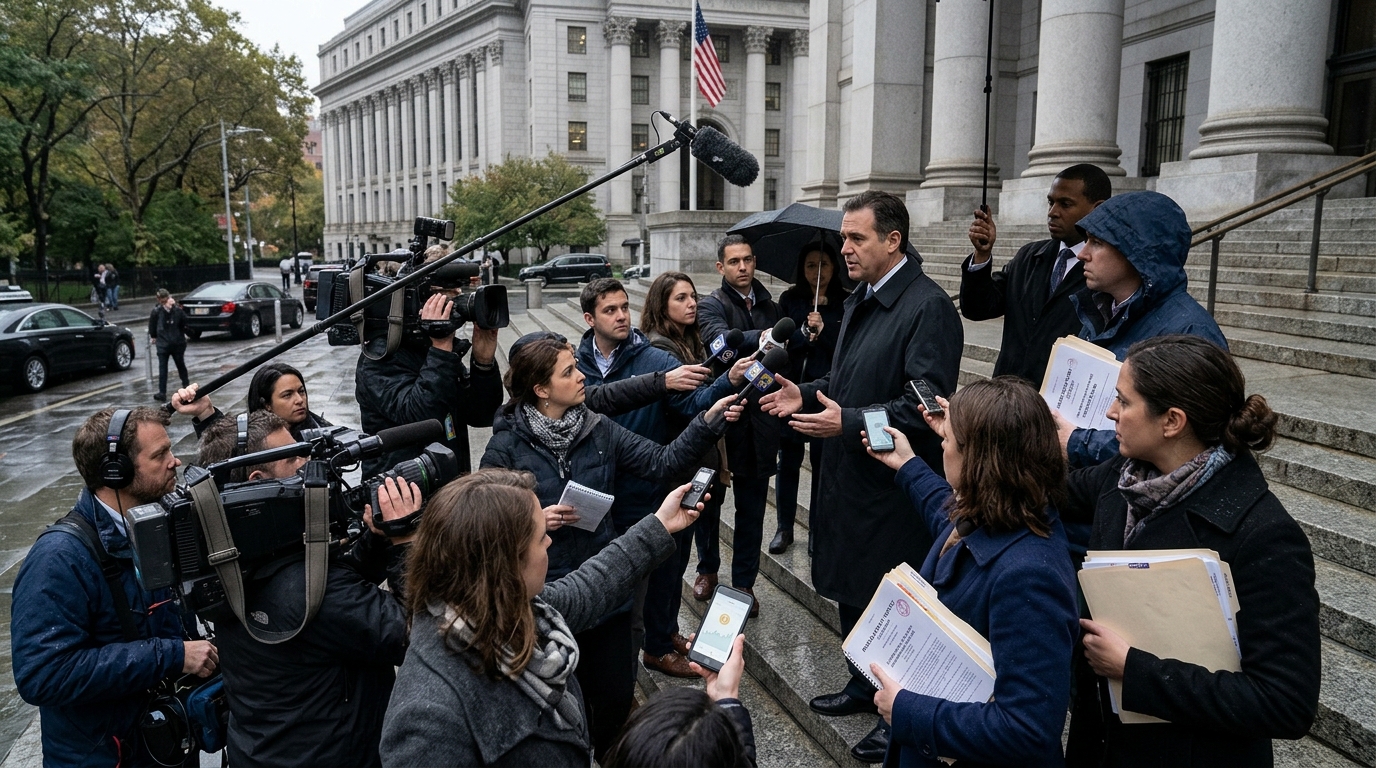
Crypto markets are facing a fresh wave of regulatory and legal scrutiny in the U.S., with new headlines spanning tax penalties, alleged fraud, tokenized equities and questions around stablecoin influence. While the developments are not one single policy action, together they point to a market still being shaped as much by regulators and prosecutors as by price moves.
Cointelegraph reported that the Internal Revenue Service plans lower tax disclosure penalties, including for crypto, citing Forbes. In another report, Cointelegraph said the New York attorney general is seeking $1.37 billion from NovaTech founders over an alleged Ponzi scheme. Cointelegraph also reported that a U.S. senator is probing Tether after a reported deal involving a former Trump crypto adviser, and that Wells Fargo and five other firms object to OKX-ICE tokenized stock listings.
Why this matters now
These are different stories, but they converge on a single market reality: regulatory framing is expanding beyond the older question of whether crypto should be allowed to operate at all. The debate is now more detailed and more operational, covering disclosure, investor protection, product design, bank objections and the political links of major market players.
That matters because maturing oversight can cut in two directions. On one hand, clearer rules can remove uncertainty in parts of the market. On the other, more active enforcement can raise legal and compliance costs and pressure business models that grew in less structured conditions.
Tax relief does not mean lighter oversight
The IRS headline may look supportive on the surface, because lower tax disclosure penalties could reduce the burden on some filers. But it does not necessarily signal a softer U.S. posture toward crypto overall.
Instead, it may suggest a more calibrated approach: keep crypto inside the tax and reporting system while adjusting how harshly certain failures are penalized. For exchanges, custodians and investors, the practical lesson is that tax reporting remains a core part of mainstream financial supervision.
That distinction is important for market interpretation. Lower penalties can be constructive for compliance and participation, but they do not remove the need for recordkeeping, reporting and legal clarity.
Fraud enforcement remains central
The New York attorney general’s reported $1.37 billion claim against NovaTech founders underlines another constant in crypto oversight: anti-fraud enforcement remains one of the strongest and most politically durable forms of regulation.
For market participants, major civil claims can affect sentiment beyond the companies directly involved. They reinforce the message that authorities still see investor-protection failures as a defining issue for the sector, particularly where high promised returns or opaque structures are involved.
That can weigh on smaller or less transparent platforms even when larger tokens remain relatively stable.
Tokenized stocks and stablecoins stay under pressure
Two other Cointelegraph reports point to where scrutiny may go next. The objection from Wells Fargo and other firms to OKX-ICE tokenized stock listings suggests tokenized versions of traditional securities remain a legally sensitive area, especially when they intersect with established market infrastructure.
Meanwhile, the reported Senate probe involving Tether indicates stablecoins still occupy a uniquely important place in U.S. policy debate. Stablecoins connect crypto trading, payments, dollar access and financial influence, making them harder for regulators to ignore than many smaller digital assets.
Even without a single sweeping law announced today, these developments imply that authorities are still defining the limits of acceptable crypto-finance integration.
Market takeaway
For investors, today’s crypto story is less about a broad risk-on or risk-off signal and more about segmentation. Regulatory pressure does not hit every corner of the market equally.
- Tax-focused changes may affect user participation and compliance behavior
- Fraud cases can damage trust in high-yield or opaque platforms
- Tokenized equity disputes may slow crossover products linking crypto and traditional markets
- Stablecoin probes can influence liquidity, payments narratives and institutional adoption
According to Cointelegraph’s collection of reports, U.S. oversight is not moving in only one direction. Some areas may become more administratively manageable, while others face deeper legal and political examination.
Neutral outlook: Crypto’s regulatory story is becoming more granular, not less important. The next market moves in the sector may depend as much on product-specific oversight as on headline token prices.
MarketPro reports are AI-assisted analyses of publicly reported market news. Not investment advice.