Crypto Policy Fight Deepens Around US Rules Push
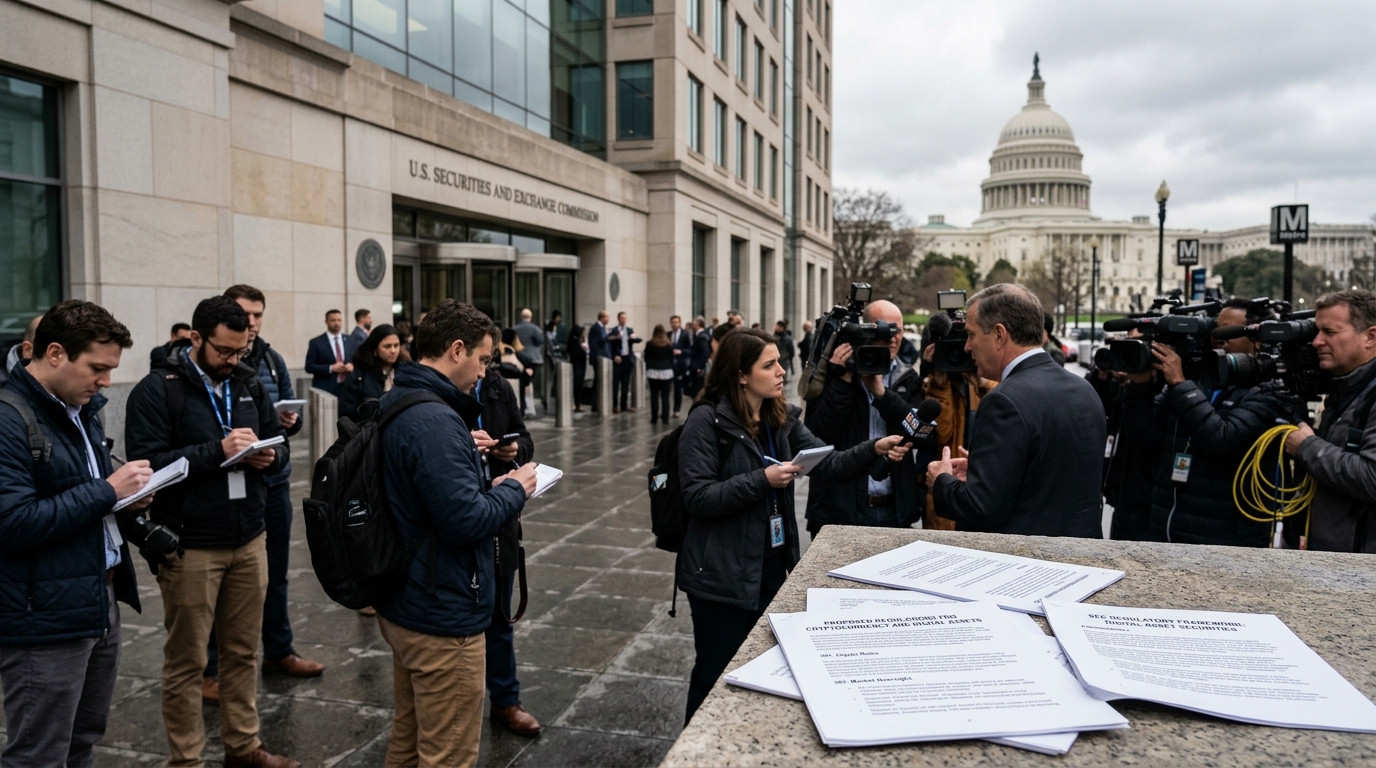
Crypto markets may still be known for price volatility, but today’s most consequential digital-asset headlines are about regulation, institutional structure and who gets to shape the rulebook.
Several policy-focused developments on the wire point to a deepening U.S. debate over how crypto should fit into the existing financial system. Cointelegraph reported that the American Bankers Association said the OCC’s GENIUS rules undermine Congress. In a separate headline, Cointelegraph said Treasury Secretary Scott Bessent compared the GENIUS Act to Lincoln-era banking reform. Cointelegraph also reported that Chainlink, Cardano and other blockchain groups are urging the SEC to provide clearer crypto rules.
While these are distinct stories, together they show that the regulatory conversation is broadening beyond token classification alone. The issues now include bank oversight, agency authority, institutional competition and whether rulemaking is moving through legislation, regulators or industry pressure.
Why the banking angle matters
The American Bankers Association’s criticism is significant because it suggests traditional finance is not merely observing crypto policy from the sidelines. If bank groups argue that a regulatory framework undermines congressional authority, the dispute is not just about digital assets; it becomes a question of governance and market structure.
That matters for investors because institutional adoption often depends on legal clarity and operational confidence. Banks, custodians, exchanges and payment firms all need to know which rules apply, who supervises them and how responsibilities are divided between agencies. Uncertainty can slow product launches, limit capital commitment and increase compliance costs.
At the same time, Treasury’s framing of the GENIUS Act as comparable in spirit to a major period of U.S. banking reform suggests policymakers see the issue as system-level rather than niche. Even without the full details of that comparison in the current wire set, the tone indicates that crypto oversight is being positioned within a larger modernization debate.
Industry wants SEC clarity, not just enforcement risk
The pressure from blockchain organizations on the SEC fits that same pattern. According to Cointelegraph, groups including Chainlink and Cardano are pushing for clearer rules. That reflects one of the market’s longstanding complaints: uncertainty over how tokens, staking, decentralized systems and related services should be treated under securities law.
For market participants, clarity can matter as much as strictness. Firms can often adapt to demanding rules if they are clear and consistently applied. The harder environment is one where the boundaries remain unsettled, making it difficult to plan listings, partnerships, custody models or U.S. market entry.
International context remains active
The broader global backdrop is also busy. Cointelegraph reported that the Cardano Foundation urged the European Union not to expand MiCA rules to DeFi and staking. That headline adds international context, though it stands alone in the current wire set and is less strongly supported than the U.S.-focused policy cluster. Even so, it reinforces the idea that the next crypto cycle may be driven as much by legal architecture as by market momentum.
Another headline from Cointelegraph said President Trump did not mention crypto during a White House cybercrime roundtable. That may be notable politically, but by itself it offers less direct market relevance than the banking, Treasury and SEC-related developments.
Why this story matters more than a one-day price move
Single-session token gains or losses can capture attention, but regulation determines who can participate, how products are distributed and whether institutional capital can scale. In that sense, today’s policy headlines are more strategically important than any unsupported price narrative.
They also align with a reader pattern that has held up well: crypto stories tend to perform best when they connect regulation, banking access and broader market structure rather than focusing only on coin moves. The current set of headlines does exactly that.
From niche policy to market infrastructure
The bigger takeaway is that crypto oversight is evolving into a mainstream financial-policy contest. Banks want a say. Treasury is framing reform in historical terms. Blockchain groups are pressing regulators for clearer boundaries. That combination suggests the industry is moving deeper into the institutional phase of its development.
Neutral outlook: Near-term crypto sentiment may still react to price moves, but the more durable market driver is likely to be whether U.S. agencies, lawmakers and industry groups can narrow disagreements over who writes and enforces the rules, according to Cointelegraph reports.
MarketPro reports are AI-assisted analyses of publicly reported market news. Not investment advice.