Data Center Power Strain Emerges as a Global Market Theme
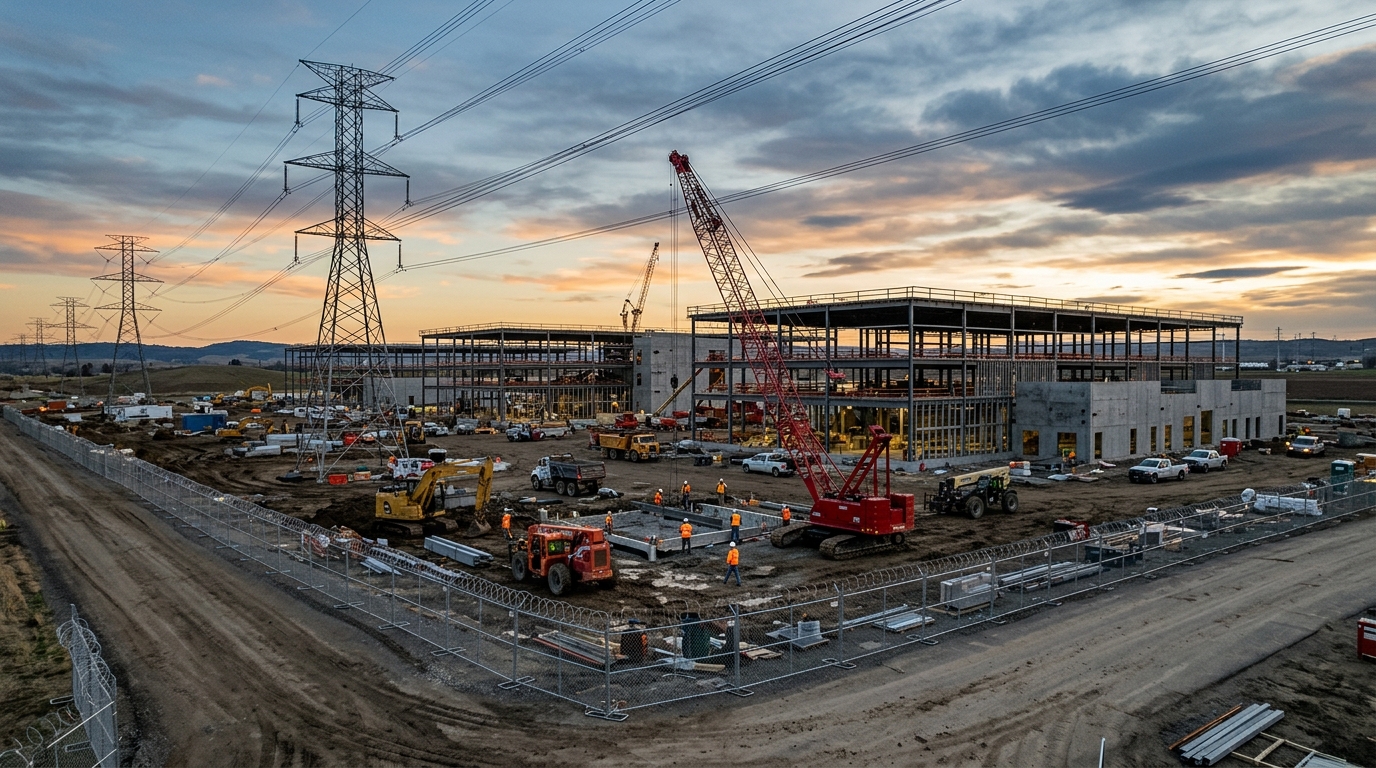
The battle over data center expansion in the United States is becoming more than a technology story. It is increasingly an economic and infrastructure story with implications for power markets, industrial policy and global investment patterns.
CNBC reported that America’s data center fight is a preview of what is to come for the rest of the world. That framing is notable because it shifts the focus from a domestic permitting or local-politics issue toward a broader macro theme: the AI buildout is colliding with real-world constraints such as electricity supply, land use and grid capacity.
Even with only one directly relevant headline in today’s wires, the topic stands out as globally significant because it touches multiple sectors at once, including utilities, semiconductors, construction and local government finance. It also fits a growing market question: whether physical infrastructure can scale fast enough to match AI-related capital spending.
Why this matters beyond tech
Data centers sit at the intersection of digital demand and physical scarcity. The more cloud computing and AI workloads grow, the more they require dependable power, cooling systems and network connectivity. That makes data center growth a potential pressure point not just for technology companies, but for electricity grids and regional economies.
CNBC’s description of the U.S. fight as a preview for the rest of the world suggests these tensions are unlikely to stay local. Other countries pursuing AI development may face similar trade-offs: how to attract high-value digital infrastructure while managing power costs, environmental concerns and community opposition.
For markets, this means AI enthusiasm may increasingly be tested by utility bottlenecks and regulatory timelines rather than chip demand alone. Investors have often treated AI infrastructure as a straightforward expansion story. But if grid upgrades lag, the pace of deployment could become more uneven across regions.
The infrastructure bottleneck theme
One reason this matters economically is that data center projects can influence a surprisingly wide set of market segments. Utilities may see new demand opportunities, but also face pressure to fund transmission and generation upgrades. Industrial real estate markets can benefit, yet land-use conflicts may intensify. Equipment suppliers may gain, while municipalities confront tougher choices over tax incentives and resource allocation.
The CNBC report’s global framing also implies a second-order issue: competitive divergence. Regions with faster permitting, stronger grid capacity or cheaper energy may become more attractive destinations for AI infrastructure. Regions without those advantages could struggle to capture the same investment wave.
That creates a more nuanced picture than the headline AI trade alone. The winners may not be defined only by who designs chips or builds models, but also by who can secure power and permits at scale.
A market signal hiding in plain sight
This theme could become increasingly important for macro watchers because it connects corporate capital expenditure with national infrastructure readiness. If large technology and cloud groups continue pushing data center investment higher, the question is no longer just how much they spend, but whether grids can absorb the load without driving broader costs higher.
That could eventually influence power pricing, regional industrial strategy and even inflation-sensitive sectors linked to construction and energy. Today’s headline does not provide fresh figures on electricity demand or project costs, so it would be premature to draw quantitative conclusions. But the strategic message is clear: AI growth is beginning to run into the limits of physical infrastructure.
Why readers should watch this story
- CNBC reports the U.S. data center conflict is a preview for the rest of the world.
- The issue links technology investment to power grids, land use and permitting.
- It has implications for utilities, industrial policy and regional competitiveness.
- The market debate may shift from AI demand to whether infrastructure can keep up.
Neutral outlook: the next phase of this story will likely depend on whether governments and utilities can accelerate grid and permitting responses as AI-related infrastructure demand keeps expanding.
MarketPro reports are AI-assisted analyses of publicly reported market news. Not investment advice.