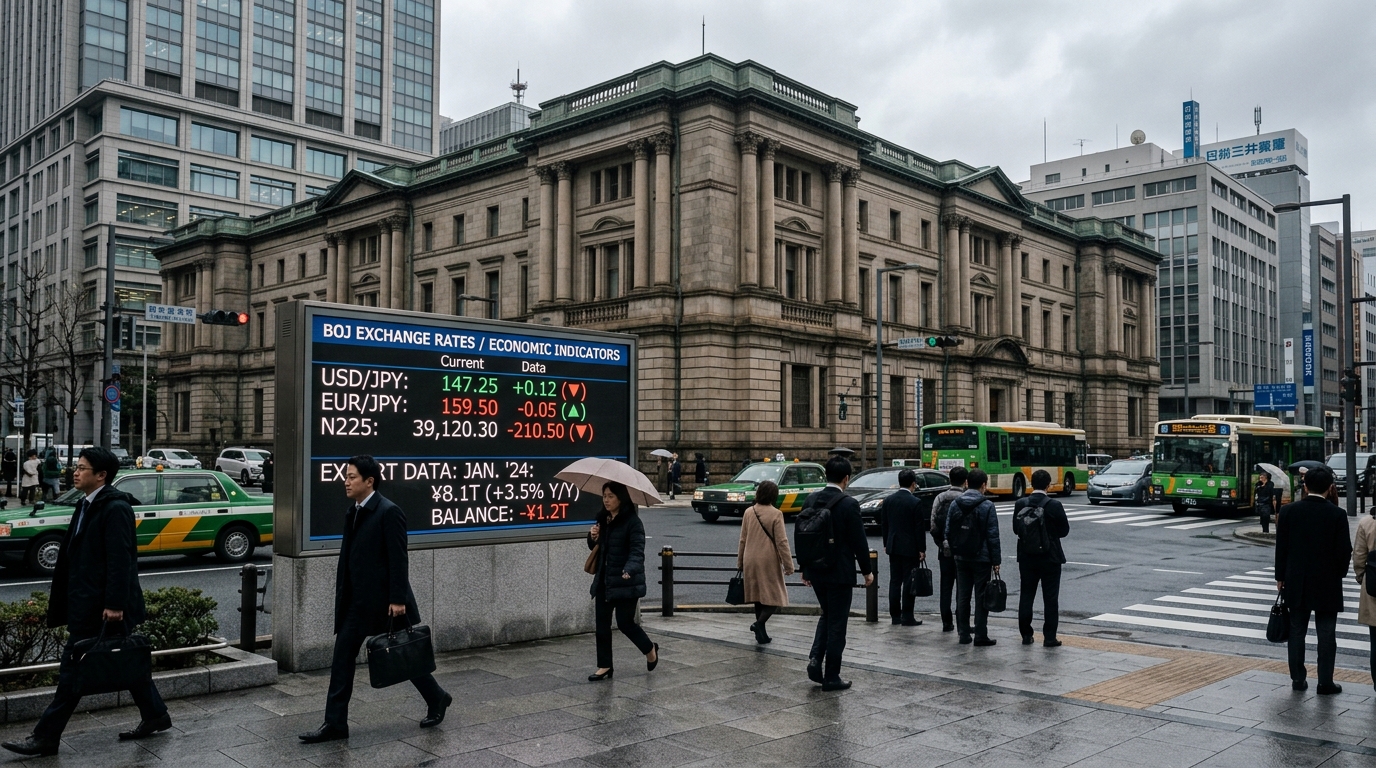
Europe unrest risk puts euro politics back in market focus
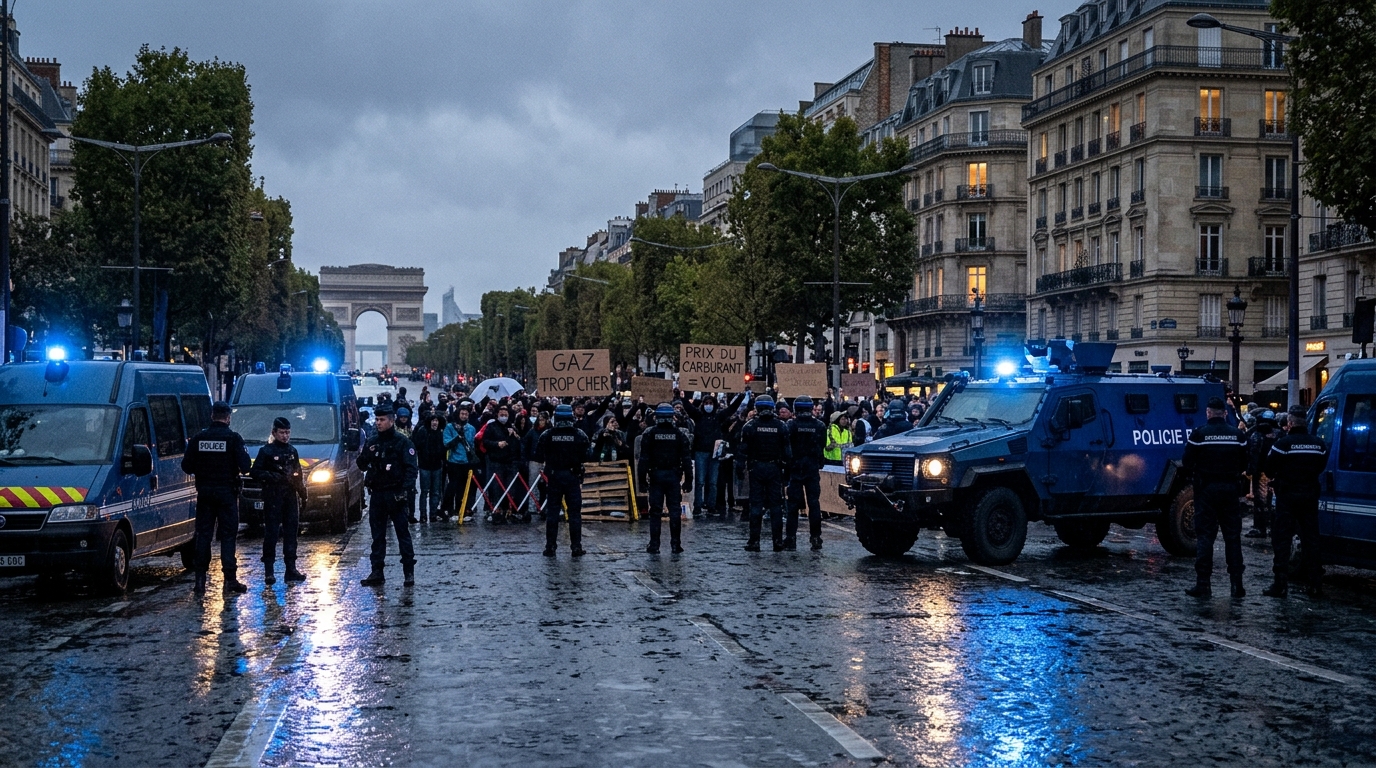
Political risk is moving back onto the radar for European markets after fresh headlines on unrest in France and broader public anger across the region added to concerns about the policy backdrop for the euro.
According to CNBC, France is preparing to deploy the military as it braces for fresh unrest this weekend. In a separate CNBC report, the network said frustration over living costs and wider economic grievances is helping drive protests across Europe. Investing.com also reported that renewed unrest in France is coinciding with gains for Europe’s far right ahead of elections, linking the demonstrations to anger over fuel prices.
For currency markets, this matters less because of an immediate growth shock and more because it can change how investors think about political cohesion, fiscal choices and the risk premium attached to European assets.
Why protests matter for the euro
The euro is usually driven by interest-rate expectations, growth data and broad U.S. dollar moves. But episodes of domestic instability can still influence foreign-exchange pricing, especially when unrest raises questions about government durability or the room for economic reform.
The latest headlines suggest that investors may need to pay closer attention to social tensions in one of the euro zone’s largest economies. France is systemically important for the bloc, so any sign of escalating unrest can feed concerns about domestic spending plans, security costs and the political appetite for unpopular budget measures.
According to CNBC, the immediate issue is the risk of renewed unrest this weekend. Investing.com’s report adds a market-relevant angle: political discontent may also be translating into electoral gains for parties on the far right. That combination can matter for foreign exchange because it introduces uncertainty over future fiscal direction and relations within the European Union.
Markets are watching policy credibility
Political unrest does not automatically weaken a currency. In many cases, foreign exchange traders quickly look past street protests if they do not alter the central bank path or the broader growth outlook. But repeated unrest can become more important when it shapes budget decisions or election probabilities.
That is why the current situation may be more than a one-day headline. If governments respond with higher spending, delayed reforms or more defensive policymaking, investors can start to reassess sovereign risk and the relative appeal of European assets. That can affect both bond markets and the euro.
The connection is especially relevant because Europe has already been navigating a sensitive mix of weak growth pockets, voter frustration and debates over how much fiscal support governments can provide. Fresh protests can make those choices harder.
What traders may focus on next
For now, there are several channels markets are likely to monitor:
- Election implications: whether unrest lifts anti-establishment or far-right parties further in polls.
- Fiscal response: whether governments announce subsidies, tax changes or emergency support tied to fuel or living costs.
- Bond market reaction: whether investors demand higher compensation to hold European government debt.
- Spillover risk: whether protests spread or intensify across multiple countries.
According to CNBC’s coverage, the public mood is not confined to one isolated dispute but reflects broader frustration. That is important because foreign-exchange markets tend to respond more when unrest is part of a regional pattern rather than a local event.
Why this is a market story now
Recent market attention has centered on rates, commodities and earnings. But political risk can return quickly, especially in Europe, where coalition dynamics and fiscal rules often interact with investor sentiment. The latest France headlines may not by themselves reshape the euro trend, yet they do remind markets that social stability is part of the macro picture.
If the unrest remains contained, the market impact may fade fast. But if protests broaden into a larger challenge to policy credibility or electoral stability, euro traders may need to price a higher political-risk premium into European assets.
Neutral outlook: Investors will likely watch this weekend’s events in France and any policy response closely, with the euro impact depending on whether unrest stays local or develops into a broader political risk story for Europe.
MarketPro reports are AI-assisted analyses of publicly reported market news. Not investment advice.