SpaceX-Tesla merger talk lifts crypto tokenized-stock debate
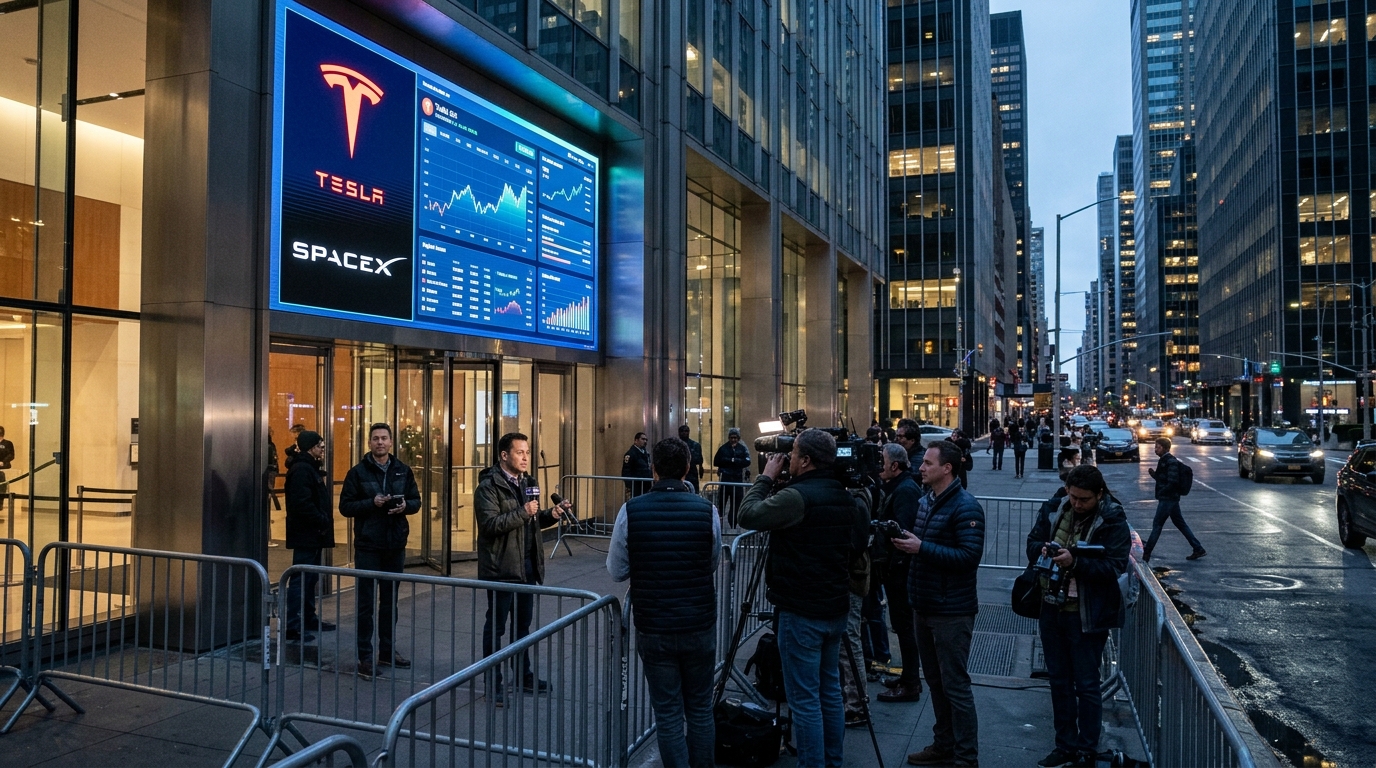
Fresh talk of a possible SpaceX-Tesla tie-up is feeding a broader market conversation that goes beyond equity enthusiasm and into crypto market structure, particularly the regulation of tokenized stocks.
MarketWatch reported that Tesla shares rose after Elon Musk dropped new clues about a possible SpaceX merger. Cointelegraph went further, saying Musk called a SpaceX-Tesla merger a “good idea” as AI-related revenue jumped sharply. Separately, Cointelegraph also reported that Alphabet and Microsoft have added objections to an OKX-ICE proposed tokenized stock platform.
Taken together, these headlines point to a bigger issue for markets: investor appetite for high-profile tech and space assets is colliding with unresolved questions over how those assets could be packaged, traded or referenced through crypto infrastructure.
Why merger speculation matters beyond Tesla
Merger speculation involving Tesla and SpaceX is unusual because it would connect a publicly traded company with one of the world’s most closely watched private firms. Even without any formal transaction, the discussion matters because it reinforces demand for exposure to scarce, brand-driven technology assets.
That matters for crypto markets because tokenization platforms have increasingly tried to build products linked to public equities or equity-like claims. When investor interest intensifies around names such as Tesla or SpaceX, pressure grows on trading venues to offer faster or broader access.
According to MarketWatch, the immediate market response was a rise in Tesla shares after new comments from Musk. Cointelegraph’s reporting framed the remarks within a wider enthusiasm around AI-linked revenue growth. That blend of narratives — AI, space, private-market scarcity and retail access — is exactly the kind of demand signal that has fueled tokenization efforts.
The tokenized-stock fight is becoming clearer
The crypto side of the story is not just about enthusiasm. It is also about resistance from established companies and the legal boundaries of digital asset platforms.
Cointelegraph reported that Alphabet and Microsoft added objections to the OKX-ICE proposed tokenized stock platform. Even without full details in the headline, the significance is clear: major corporate stakeholders appear concerned about how tokenized versions of equities or equity-linked products are being structured and presented.
For institutional crypto infrastructure, that is a key development. The market has long treated tokenized stocks as one of the more intuitive bridges between traditional finance and digital assets. But the model depends on approval across several layers:
- Securities law: whether the token is treated as a regulated security or derivative.
- Corporate rights: whether branding, ownership claims or shareholder rights are being represented accurately.
- Platform controls: whether exchanges can meet listing, disclosure and custody expectations.
- Cross-border rules: whether products offered globally comply with local market laws.
The objections reported by Cointelegraph suggest those issues are not close to settled.
Why crypto investors should care
For digital asset markets, tokenized stocks are strategically important because they promise to bring real-world assets onto blockchain rails, potentially broadening trading hours, collateral use and retail access. But every major legal objection reminds investors that this part of crypto is still policy-sensitive infrastructure, not just a growth theme.
The SpaceX-Tesla angle makes that especially visible. SpaceX remains a private company, and private-market access is tightly controlled. Any surge in public interest around a possible tie-up naturally raises questions about synthetic exposure, tokenized claims and whether platforms can safely market products tied to assets that are difficult to own directly.
This is why the story extends beyond one stock move. It touches a live debate over what tokenization is allowed to do, who gets to offer it and how close crypto trading venues can come to replicating public and private equity markets.
A test case for mainstream tokenization
If tokenized stocks are going to move from niche product to mainstream infrastructure, the sector will need clearer rules and broader corporate acceptance. The latest headlines show both the demand side and the friction side of that equation.
Neutral outlook: Merger speculation may keep attention on Tesla and SpaceX, but for crypto markets the more durable issue is whether tokenized stock platforms can win legal and corporate backing as investor demand for equity-like digital products grows.
MarketPro reports are AI-assisted analyses of publicly reported market news. Not investment advice.