FAA says 737 Max software glitch is not a safety issue
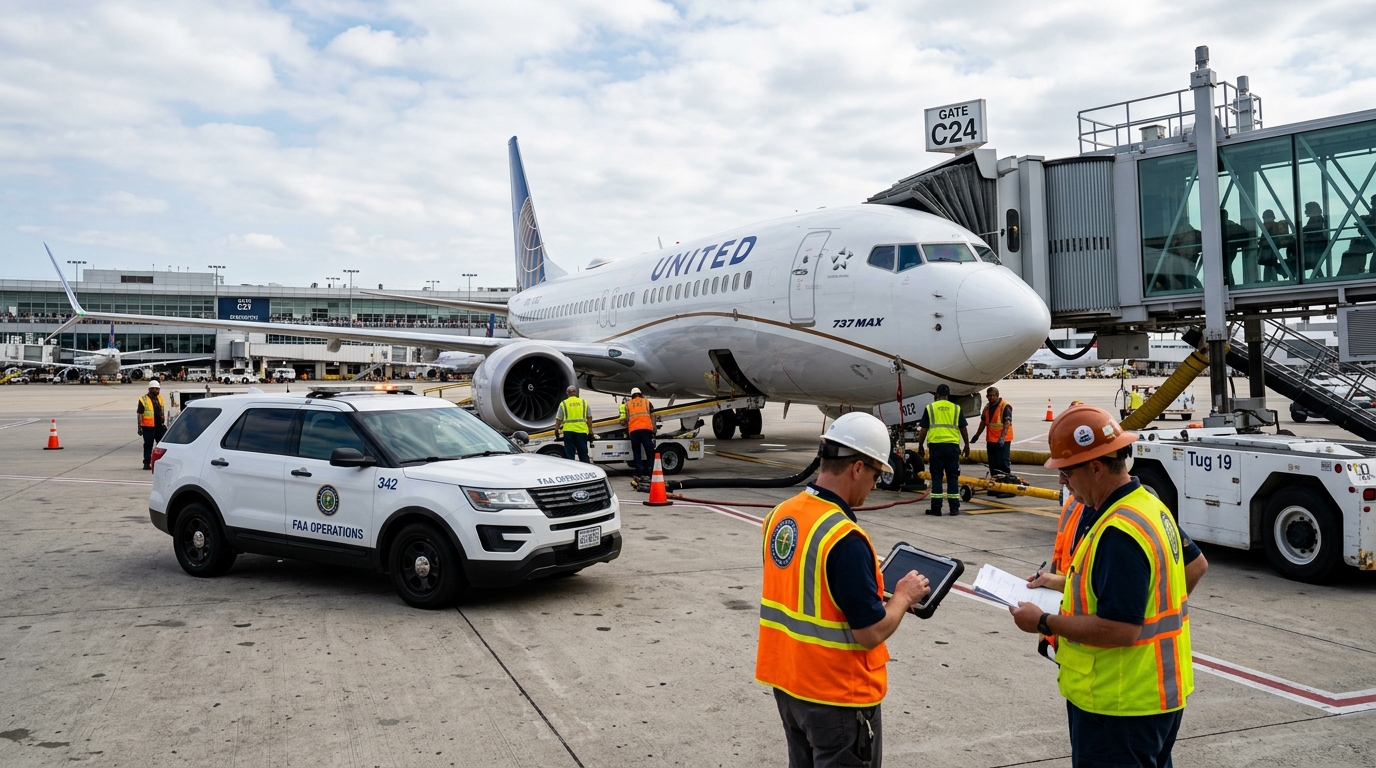
Boeing drew fresh market attention after the Federal Aviation Administration said a software glitch affecting the 737 Max is not a flight-safety issue, according to CNBC. The update matters because Boeing remains one of the most closely watched industrial and aerospace names in U.S. markets, and any sign of additional regulatory trouble tends to ripple quickly through suppliers, airlines and investor sentiment.
The FAA’s characterization narrows the immediate risk around the reported problem. In practical terms, that means the issue, as described so far, does not appear to point to a grounding scenario or an urgent operational threat. For markets, that distinction is critical. Boeing’s valuation and order outlook remain highly sensitive to regulatory headlines, especially when they involve the 737 Max, a program that has long carried elevated reputational and compliance risk.
Why this headline matters for markets
The 737 Max is central to Boeing’s commercial-aircraft business. Because of that, even a software-related headline can affect more than just one company’s shares. Airlines, leasing firms, parts makers and aerospace suppliers all have exposure to Boeing production stability and delivery timing. When regulators frame an issue as manageable rather than safety-critical, it can reduce fears of sudden disruption across that chain.
According to CNBC, the FAA’s view was specifically that the glitch is not a flight-safety issue. That is a narrower and more measured conclusion than investors often fear when new Max-related problems surface. It does not mean the matter is irrelevant; it means the current information, as reported, does not support the most severe market scenarios.
Regulatory language matters
For Boeing, wording from regulators often has outsized importance. Since the Max crisis, investors have learned to parse FAA statements carefully. A technical issue can still create costs, operational adjustments or reputational strain even if it falls short of a safety event. But the difference between a maintenance or software fix and a formal safety concern is substantial for market pricing.
This is also important in a broader policy sense. U.S. aviation oversight has been under intense scrutiny for years, so a public FAA statement can serve as an early signal for how aggressively the issue may be handled. Based on CNBC’s report, the signal here is one of containment rather than escalation.
What investors will watch next
Even without an immediate safety alarm, investors are likely to look for several follow-up points:
- Scope: whether the glitch affects a limited set of aircraft or a broader part of the fleet.
- Remedy: whether airlines or Boeing need software updates, inspections or operational workarounds.
- Timing: whether any fix affects delivery schedules or airline service planning.
- Regulatory follow-through: whether the FAA issues additional guidance beyond the initial statement.
Those details could determine whether the market treats this as a short-lived headline or a modest operational overhang. At this stage, the publicly reported takeaway is that the issue has not crossed into the kind of safety classification that would normally trigger a much more severe reaction.
Broader aerospace read-through
The update also lands at a time when aerospace investors are balancing strong long-term aircraft demand against manufacturing, certification and quality-control risk. That backdrop makes every Boeing headline consequential. A contained software issue may not resolve wider concerns around execution, but it can help stabilize sentiment if no deeper problem emerges.
For airlines, the headline may be reassuring at the margin. Many carriers remain dependent on timely aircraft deliveries and reliable fleet planning. Any indication that a reported problem is not a safety event reduces the chance of abrupt capacity disruptions.
Neutral outlook
According to CNBC, the FAA’s message lowers the immediate temperature around the reported 737 Max software glitch. The next market test will be whether Boeing and regulators provide enough detail to keep the issue contained and prevent concern from spreading into deliveries, operations or broader confidence in the program.
MarketPro reports are AI-assisted analyses of publicly reported market news. Not investment advice.