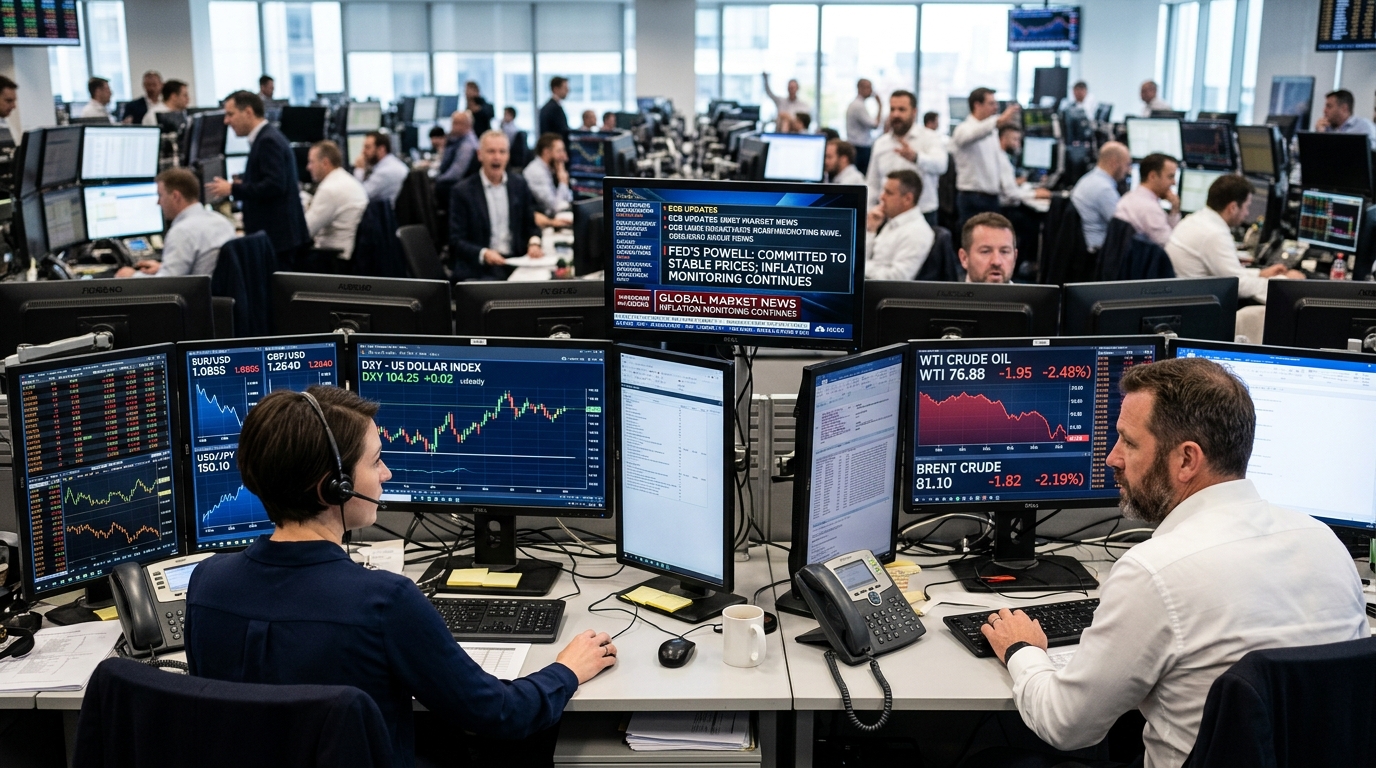
France protests put euro and retail sentiment in focus
Fresh unrest risk in France is back on investors’ radar, with attention shifting from sovereign ratings toward what renewed protests could mean for the euro, domestic consumption and broader European risk sentiment.
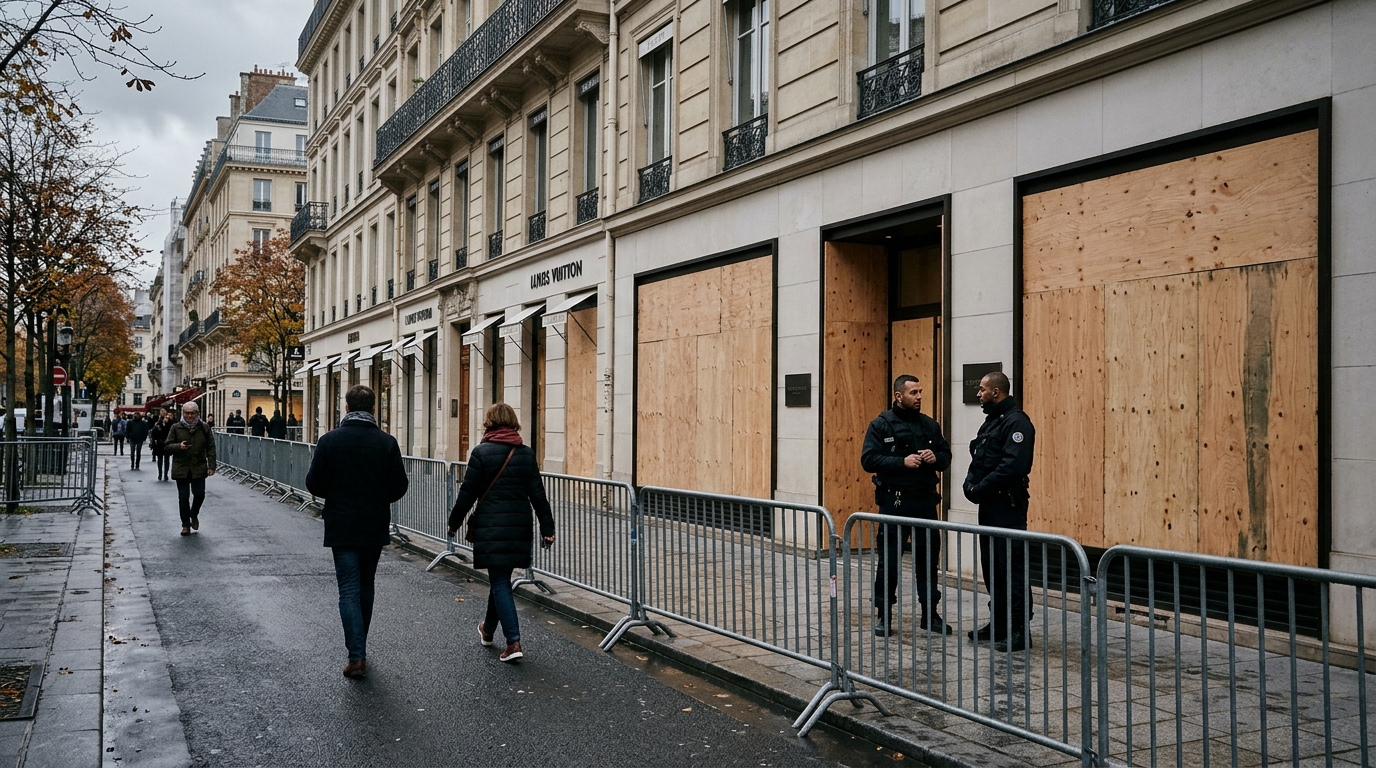
CNBC reported that investors are weighing several market questions as riots and protests rattle confidence, while Investing.com said France’s luxury stores were boarding up windows ahead of fresh demonstrations. Taken together, those reports point to a more immediate market concern: even without a new credit-rating shock, visible disruption in Paris and other urban centers can still affect currency sentiment and consumer-exposed assets.
Why markets are still watching France closely
The latest headlines matter because France sits at the center of euro-area political and fiscal discussions. Although CNBC separately reported that Moody’s held France’s credit rating steady, that angle has already been absorbed by markets. The newer development is operational and behavioral: shops preparing for protests, security costs rising, and investors asking whether social instability could deepen into a broader drag on confidence.
For foreign-exchange markets, this does not automatically translate into a major repricing of the euro. But recurring political unrest can keep a modest risk premium in place, especially when investors are already sensitive to European growth, public finances and bond yields. In that setting, traders often look beyond headline economics and focus on whether instability starts to affect tourism, spending patterns or cross-border capital flows.
Retail, tourism and perception risks
The images of boarded-up luxury stores are notable because they touch one of France’s most globally visible industries. According to Investing.com, retailers were taking precautionary steps ahead of protests. That may be a localized response, but luxury and tourism are sectors where perception can matter almost as much as direct damage.
If demonstrations remain short-lived, markets may treat the disruption as noise. But if unrest becomes prolonged or spreads more broadly, investors could start reassessing several linked exposures:
- Consumer-facing stocks tied to discretionary spending and tourism flows
- The euro, as political instability feeds into broader regional caution
- French government bonds, if social tensions are seen complicating fiscal policy or reform efforts
- European risk assets, particularly if France becomes a fresh source of volatility during an already uncertain global backdrop
What forex investors may be asking now
CNBC framed the situation around key questions for investors ahead of more protests. In currency markets, those questions likely center on duration, spillover and policy response.
First, is this a temporary flare-up or a sustained period of unrest? Second, does it remain a domestic issue, or does it reinforce a wider narrative of political fragility in Europe? Third, does it interfere with policymaking at a time when bond yields and public finances already matter more to investors?
The euro often reacts most sharply when a national political story appears large enough to alter regional expectations. At this stage, the available headlines do not establish that kind of shift. What they do support is a market that is alert, particularly to any signs that street-level disruption could bleed into business activity and investor confidence.
Why this matters beyond France
France’s unrest is not just a local story because global investors use the country as a barometer for euro-area political cohesion. If markets begin to interpret renewed protests as another obstacle to economic stability, the effects could reach beyond French assets alone.
That is especially relevant in a market environment where investors have been quick to rotate toward safety when political or policy shocks emerge. Even absent a rating downgrade, social unrest can shape short-term flows by increasing uncertainty around earnings, travel activity and domestic demand.
For now, the cross-market message appears measured rather than panicked. CNBC highlighted investor concern and unanswered questions, while Investing.com pointed to concrete precautionary action on the ground. That combination suggests vigilance more than capitulation.
Neutral outlook: France’s protest risk is now a live market variable again, particularly for the euro and consumer-facing sectors. The next move in sentiment will likely depend on whether demonstrations stay contained or begin to affect economic activity more visibly.
MarketPro reports are AI-assisted analyses of publicly reported market news. Not investment advice.